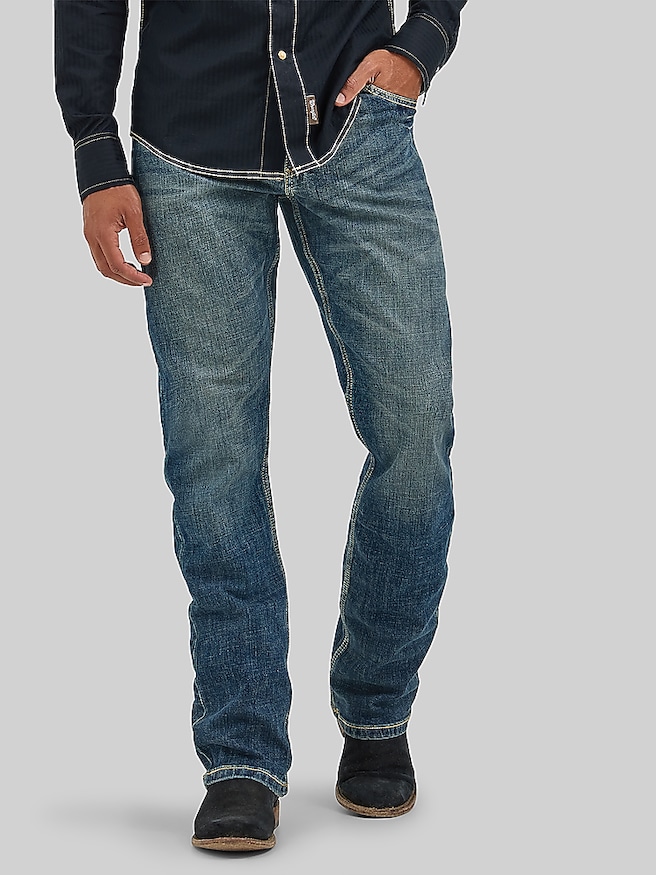
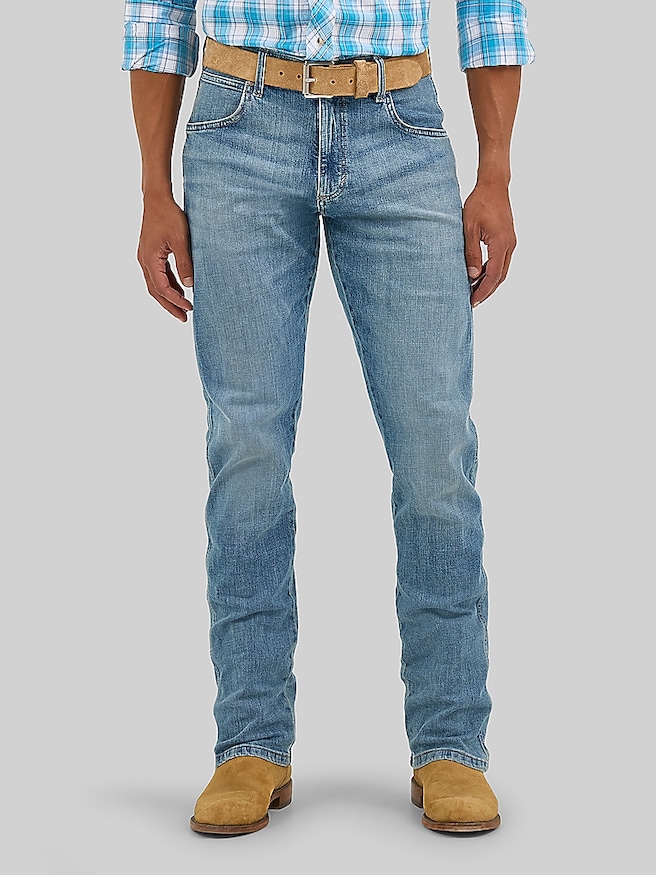
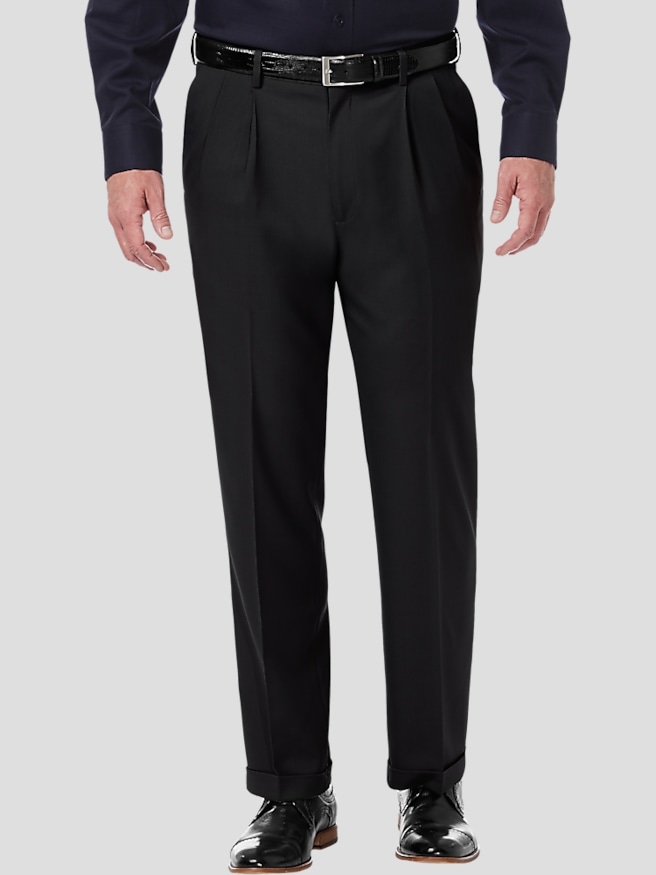
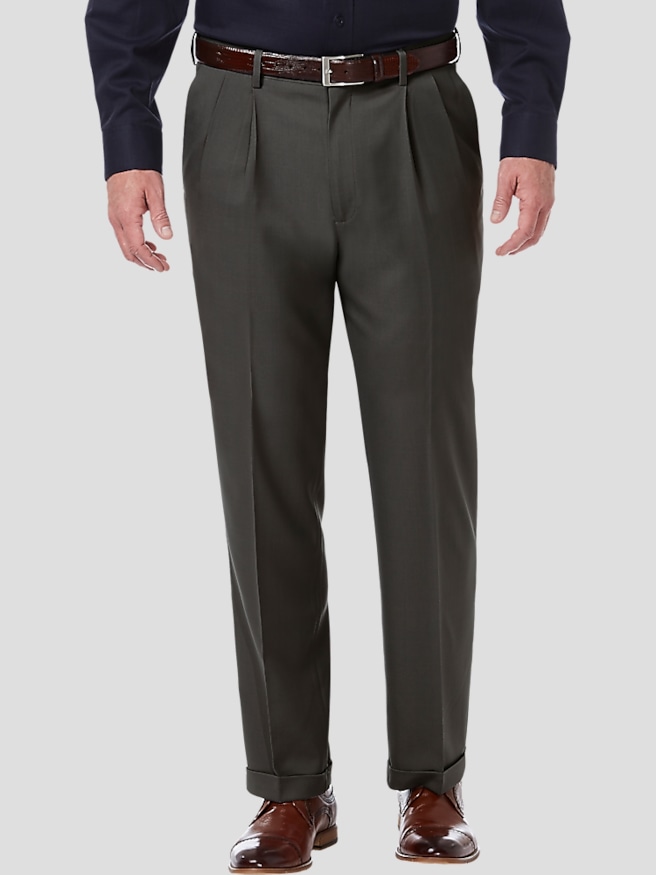
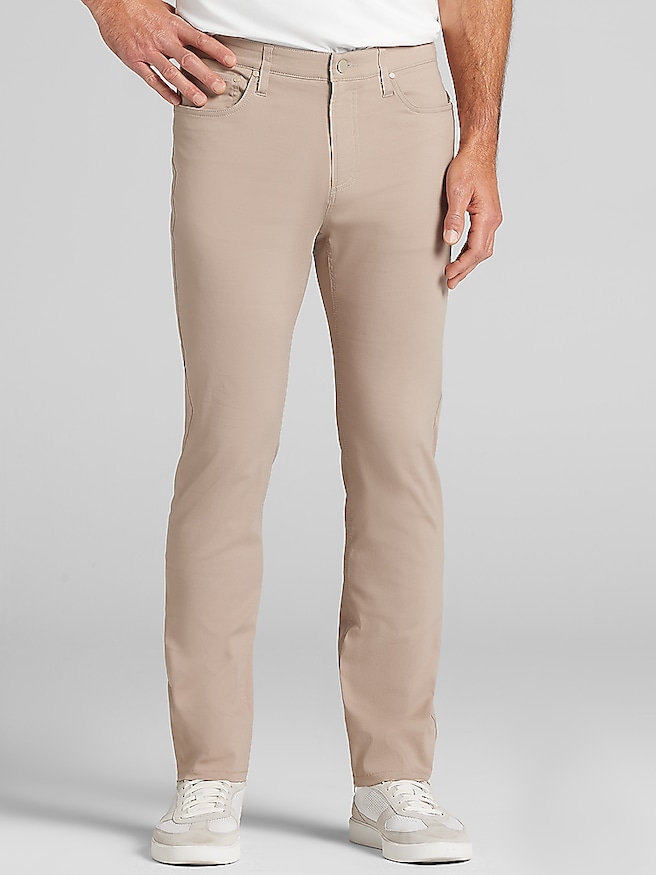
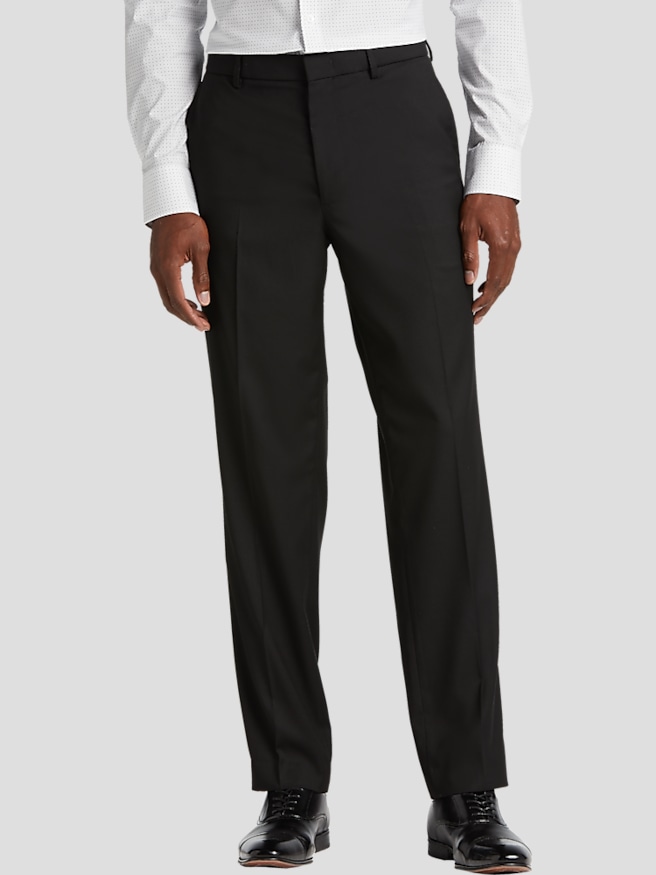
Men's adjustable pants are trousers with a waistband that can be loosened or tightened to refine the fit without changing the size of the entire garment. Common designs include concealed elastic panels, expandable waistband sections, side-adjuster tabs, and drawstring closures. Each approach offers a distinct balance of flexibility, appearance, and control. Hidden elastic can preserve the clean look of dress pants while allowing some give when sitting, bending, or moving through a busy day. Side tabs create a more deliberate adjustment and can give tailored trousers a finished appearance without a belt. Drawstrings bring a relaxed feel to casual pants, especially when paired with a soft waistband. The amount of adjustment depends on the construction; an adjustable waist does not mean that every part of the pants stretches or changes size. That distinction matters for men who want extra room at the waist without adding unnecessary fullness through the seat and legs. For someone moving between a desk, a commute, and an evening out, a flexible waistband can make long stretches of sitting more comfortable while keeping the overall silhouette neat. Adjustable dress pants work naturally with tucked-in shirts and tailored jackets, while casual versions complement polos, knit shirts, and untucked button-downs. Flat-front styles offer a smooth, understated appearance, and pleated designs can provide additional room through the upper portion of the pants, depending on their cut. The waist treatment also affects how the finished outfit looks: concealed adjustment keeps attention on the fabric and shape, while visible drawstrings create a more casual impression. These details make adjustable-waist pants relevant for office routines, travel, celebrations, and everyday dressing. Their appeal is practical rather than complicated: a little flexibility where the body bends, with a shape that still feels appropriate for the setting. For men whose preferred waist fit varies slightly throughout the day, that added control can be more useful than simply moving up a size.
Fabric and cut determine how adjustable pants feel beyond the waistband. Cotton twill has a familiar texture and enough structure for chinos and other everyday styles, while wool and wool-blend fabrics can offer the drape associated with dress trousers. Polyester blends may contribute shape retention and wrinkle resistance, though performance depends on the fabric and its construction. A small amount of elastane can add stretch through the body of the pants, complementing an adjustable waist rather than replacing it. Stretch fabric allows movement within the material itself; waist adjusters change the fit at the top of the garment. Both can be useful, but neither compensates for a rise that is too short or a thigh that is too narrow. A comfortable fit allows the waistband to sit securely without digging in, with enough room through the seat to sit down without pulling across the pockets. Front pockets that flare open or strong horizontal lines across the upper thighs may indicate that the cut is too close. Excess fabric bunching beneath the seat can point to a shape that does not match the wearer's proportions. Slim, straight, and more relaxed silhouettes can all incorporate waist adjustment, so the feature does not dictate a single look. The broader range of Men's Fit Pants provides context for how leg shape and overall proportions relate to comfort. Inseam length remains a separate consideration: a clean hem can keep dress pants polished, while excessive fabric at the ankle may obscure an otherwise well-balanced fit. Rise also affects where the waistband rests and how comfortable the pants feel when seated. For a long meeting or a flight, room through the hips and thighs matters just as much as flexibility around the waist. The best results come from a compatible base fit with adjustment available for small refinements, rather than a waistband stretched to its limit or cinched tightly enough to gather the fabric.
Construction and care help determine how well adjustable pants hold their shape through repeated wear. Secure stitching around belt loops, pocket openings, and adjustment points is especially important because these areas experience regular handling and tension. Side tabs should lie smoothly when fastened, and elastic sections should recover rather than remain visibly stretched after ordinary use. A waistband that stays flat under a tucked-in shirt contributes to a tidy appearance, while smooth interior seams can make a noticeable difference during hours of sitting. Care requirements depend on the fabric, lining, and waistband components, so the garment label remains the most reliable reference. Some cotton and blended pants are machine washable, while certain tailored fabrics require professional cleaning. Excessive heat can affect elastic fibers and stretch recovery, making the recommended washing and drying settings particularly relevant for adjustable designs. Closing fasteners before washing, avoiding an overloaded machine, and addressing small seam issues promptly can help reduce unnecessary wear. Pressing also calls for attention to the fabric: a sharp crease may suit dress trousers, while casual pants often look better with a smooth finish and no pronounced crease. Between wears, hanging pants neatly helps limit creasing and keeps the waistband from remaining folded under pressure. For frequent travelers, the combination of a suitable fabric, comfortable rise, and adjustable waist can make the transition from a seated journey to a business appointment feel less restrictive. For men who spend much of the day at a desk, discreet flexibility can support comfort without changing the tone of an office outfit. Adjustable pants can also be a thoughtful gift for someone who values practical clothing, provided the usual waist size, preferred cut, and inseam are known. Adjustment offers a margin for fine-tuning, not a substitute for those measurements. Across dressier and more relaxed settings, their lasting value comes from useful construction: a secure waist, room to move, and a silhouette that looks intentional.