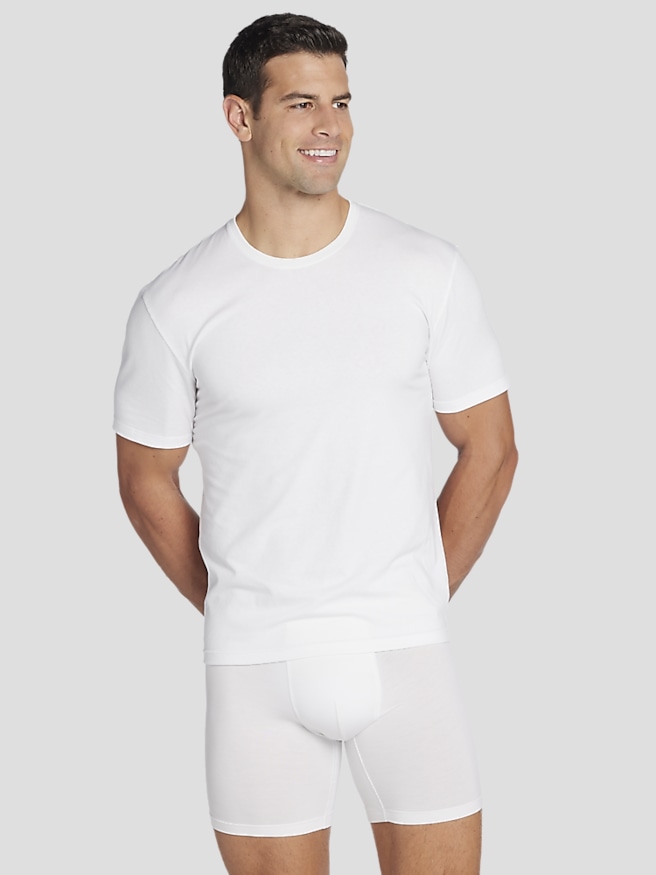
Men’s 4X shirts bring everyday comfort and a balanced appearance to wardrobes built around work, casual plans, and occasions that call for a more polished look. The 4X and 4XL labels generally identify extended shirt sizes, but they do not represent one universal set of measurements. Chest width, shoulder placement, sleeve dimensions, and body length can vary by cut and manufacturer, making garment measurements more useful than the size label alone. A comfortable fit leaves room through the chest and midsection without pulling the front placket apart or creating pronounced folds beneath the arms. For a conventional set-in sleeve, the shoulder seam should sit near the edge of the shoulder rather than hanging far down the upper arm. That balance matters when reaching across a desk, fastening a seat belt, or sitting through dinner: the shirt needs enough ease to move without looking oversized everywhere. Big and tall sizing also involves two separate considerations. A broader build may need additional width without extra length, while a taller frame may need a longer torso and sleeves as well as room through the body. A 4X label alone does not guarantee tall proportions. Shirts intended to stay tucked benefit from enough length to remain secure when sitting or lifting an arm; an untucked style generally looks more balanced when its hem does not extend excessively down the thighs. Sleeve shape deserves similar attention. Short sleeves should allow comfortable upper-arm movement without gripping, while long sleeves should reach the wrist without swallowing the hand. Collars should fasten comfortably when the intended outfit includes a tie, with enough room to turn the head naturally. These details help distinguish a shirt that merely closes from one that feels right throughout a full day. Whether the preference is for a relaxed knit, a structured button-front, or a neat polo, the most useful fit supports the wearer’s proportions and the way the shirt will actually be worn.
Fabric gives men’s 4X shirts much of their character, influencing drape, texture, movement, and the care they need between wears. Cotton is a familiar choice for its soft feel and breathability, with results that vary according to the weave or knit. A smooth woven cotton can look crisp under a jacket, while a cotton jersey has a more flexible, casual feel. Oxford cloth typically has a noticeable woven texture and a substantial hand; poplin generally offers a smoother surface that suits a cleaner, more tailored appearance. Piqué knits bring subtle texture to polos and can give a casual outfit definition without the structure of a dress shirt. Cotton blends may combine that familiar feel with qualities such as improved wrinkle resistance or easier maintenance, depending on their composition and finish. Fabrics containing stretch fibers can provide extra give across the shoulders and arms, though stretch works best as a complement to a comfortable fit rather than a substitute for sufficient room. A shirt that pulls tightly across the stomach will not necessarily drape better simply because its fabric stretches. Fabric weight matters, too: a lighter material may fall softly against the body, while a more substantial knit or weave can hold its shape more distinctly. Durability depends on construction as well as fiber content. Even stitching, secure buttons, neatly finished seams, and stable collar edges are useful signs of thoughtful construction, especially in shirts that become part of a frequent rotation. Care should follow the garment’s label, since washing and drying requirements differ across fabrics and finishes. Excessive dryer heat can contribute to shrinkage in some cotton garments and may affect stretch fibers. Removing a shirt promptly after drying can reduce settled-in wrinkles, while appropriate ironing or steaming helps restore a smooth finish when needed. Treating a small mark promptly according to the care instructions, rather than letting it sit through repeated wears, can also help maintain the shirt’s appearance. Consistent care helps preserve the fit, color, and texture that made the shirt comfortable in the first place.
A versatile selection of men’s 4X shirts can support several dress codes without making every outfit feel alike. Solid colors provide a straightforward foundation for trousers, chinos, and denim, while stripes, checks, and other patterns introduce personality through scale and contrast. The relationship between the shirt and the rest of the outfit often matters more than any single pattern rule. A finely patterned shirt can sit comfortably beside solid pants, while a bolder print usually has more visual space when the surrounding pieces stay simple. For an office setting, a button-front worn neatly with tailored trousers creates a composed look that still allows personal choice in color and collar shape. A polo offers a less structured alternative for an informal meeting, a meal out, or a gathering where a T-shirt would feel too casual. Casual button-fronts can be worn closed or layered over a simple tee, provided the combined layers leave enough room across the chest and upper arms. The relaxed styling associated with Mens Urban Shirts also fits naturally into outfits built around denim, clean sneakers, and an open collar. Under a sport coat, a shirt with a smooth sleeve and manageable fabric volume helps avoid bunching at the elbows or beneath the jacket. For celebrations, family photographs, and evenings out, a well-proportioned collar and a clean hem can make a familiar outfit feel more considered without adding unnecessary formality. Shirts can also be practical gifts for a father, brother, partner, or friend when the recipient’s measurements, preferred fit, and everyday dress habits are known. Someone who consistently wears shirts untucked may value a balanced hem more than extra body length, while someone who wears a tie needs a collar that closes comfortably. Familiar colors and manageable care requirements can be just as important as the size. Across these uses, a dependable 4X shirt brings together room to move, a pleasing drape, and details that suit the person wearing it.