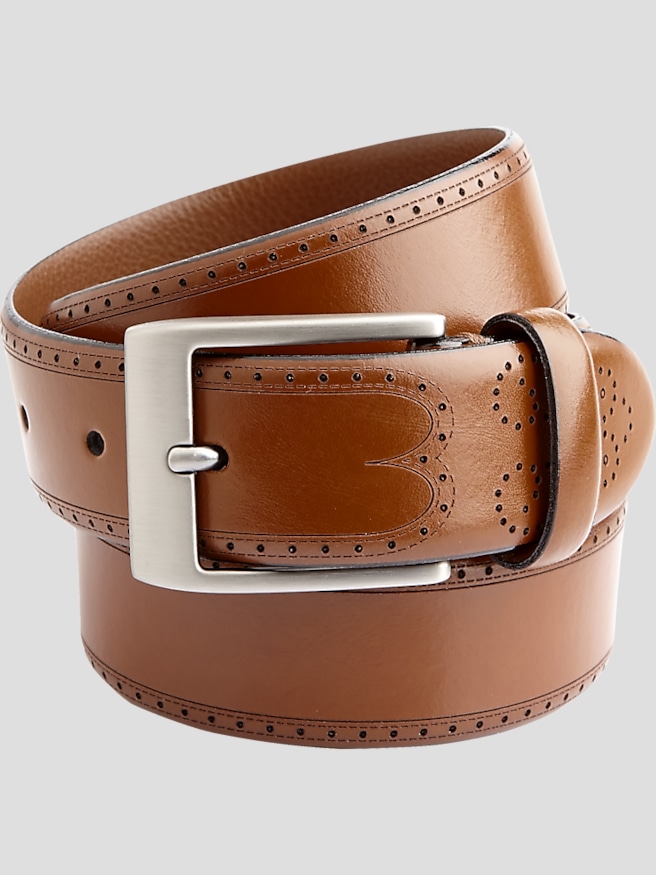
Men’s accessories for Memorial Day bring a finished look to everything from a suit worn to a remembrance ceremony to a sport coat and chinos for a family gathering. Belts, ties, pocket squares, dress socks, and cuff links serve different purposes, but the strongest combinations share a sense of proportion and an appropriate level of formality. A smooth leather belt with a simple buckle keeps tailored trousers looking composed, while a textured belt can feel more at home with casual pants. A tie gives a collared shirt definition beneath a jacket; a pocket square adds a smaller accent without requiring another full layer. For a quiet, respectful appearance at an observance, navy, charcoal, burgundy, and muted patterns offer depth without drawing unnecessary attention. For a relaxed holiday meal, a subtle stripe or softly textured fabric can complement an open-collar shirt and an unstructured jacket. Accessories do not have to match exactly to look coordinated. A pocket square that picks up a secondary color in a tie often looks more natural than identical fabrics, and socks can connect the color of the trousers with another detail in the outfit. Scale matters, too: a small repeat pattern generally sits comfortably beside a broader jacket check, while several bold patterns can compete for attention. The setting helps determine how much detail feels right. A simple tie and understated belt may be enough for a daytime ceremony, whereas a more formal dinner can accommodate polished cuff links and a neatly folded pocket square. Men who move between professional obligations, holiday travel, and personal gatherings often benefit from accessories that work across more than one setting. Familiar colors, manageable textures, and restrained hardware make it easier to wear the same finishing pieces with several outfits. The result is a wardrobe that feels considered rather than complicated, with each accessory contributing to the overall appearance instead of becoming the only thing anyone notices.
Material and fit influence how an accessory looks after several hours of wear, not just when it is first put on. Leather belts can develop creases and a softer feel with use, although the quality of the leather, its construction, and its finish affect how evenly it wears. Look for smooth edges, secure stitching where present, and hardware that sits comfortably without digging into the waist. A belt should fasten without pulling the trousers into bunches or leaving an excessively long loose end; the maker’s measurements are more reliable than assuming every belt follows the same sizing convention. Belt width also needs to suit the trouser loops and the occasion, with slimmer, less bulky profiles generally complementing dress trousers. For ties, silk can offer a smooth surface and fluid drape, while linen, cotton, and textured blends create a less glossy effect. The fabric’s weight influences the knot: a substantial tie can become bulky in a narrow collar opening, while a lighter fabric may need a fuller knot to sit neatly. A tied necktie generally looks balanced when its tip meets the waistband area, allowing for individual proportions and trouser rise. Pocket squares benefit from a similar attention to fabric. A crisp cotton or linen square holds a clean fold, while a softer silk square lends itself to a relaxed puff. Cuff links need a shirt with compatible cuffs, and a tie bar should stay within the width of the tie rather than extending beyond its edges. Dress socks should fit smoothly through the heel and toe without gathering inside the shoe. Cotton blends can offer softness and breathability, wool blends can help manage moisture, and added stretch can support shape retention. A higher sock length helps maintain coverage when seated in tailored trousers. Across these categories, comfort is part of a polished appearance: a pinching buckle, slipping sock, or oversized knot can become a distraction during a ceremony, a meal, or a long day away from home.
Durability comes from construction, sensible use, and care suited to the material. Consistent stitching, securely attached hardware, neatly finished edges, and fabric that lies evenly are useful details to examine. Frequently worn accessories also benefit from time to recover between uses, especially when exposed to perspiration or packed tightly for travel. Leather should be allowed to air-dry away from direct heat if it becomes damp, and any cleaner or conditioner should be appropriate for its finish. Ties usually hold their shape better when gently untied rather than pulled loose and left knotted. Stains and cleaning methods call for attention to the care label, particularly with silk or mixed-fiber fabrics. Pocket squares should be cleaned according to their fiber content, and socks should be washed and dried at the recommended settings to help preserve elasticity. Small metal accessories can be wiped with a soft cloth and stored separately to reduce scratching; plated finishes may need different treatment from solid metals. These practical details matter for anyone building a dependable rotation for work, special occasions, and holiday gatherings. They also help make accessories thoughtful gifts. A recipient who regularly wears dress shirts may appreciate understated cuff links, provided the shirts have the right cuffs, while someone who prefers an open collar may get more use from a versatile belt or comfortable dress socks. Familiar colors and an understanding of the recipient’s usual clothing are often more useful than an elaborate pattern. Footwear provides another point of connection: coordinating a belt’s color and level of polish with shoes creates continuity without demanding a perfect leather match. For a coordinated outfit, Memorial Day men’s shoes offer a related finishing touch to consider alongside accessories. Whether the occasion calls for quiet formality or an easy, put-together look, well-proportioned details and thoughtful care help these pieces remain useful beyond the holiday.