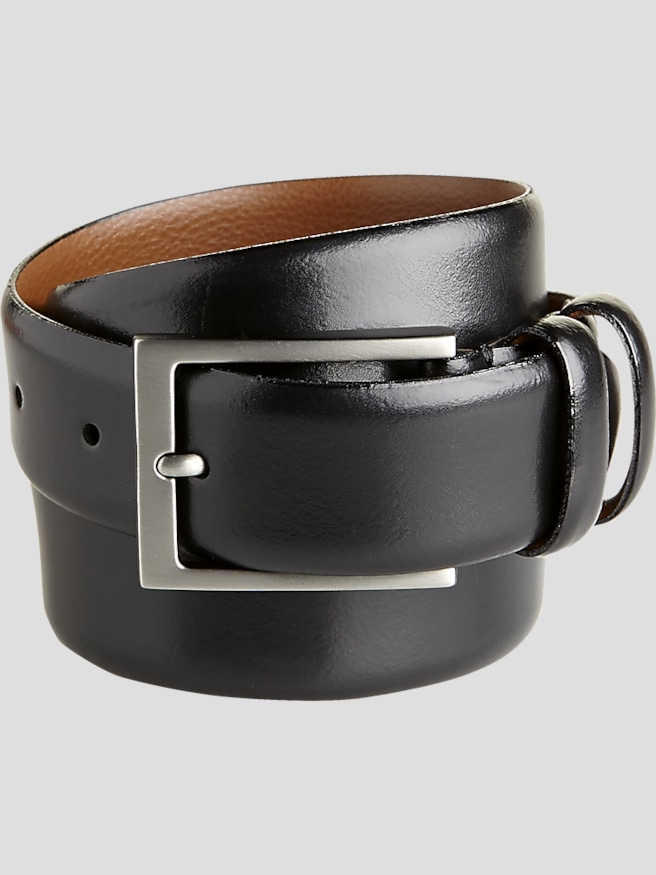
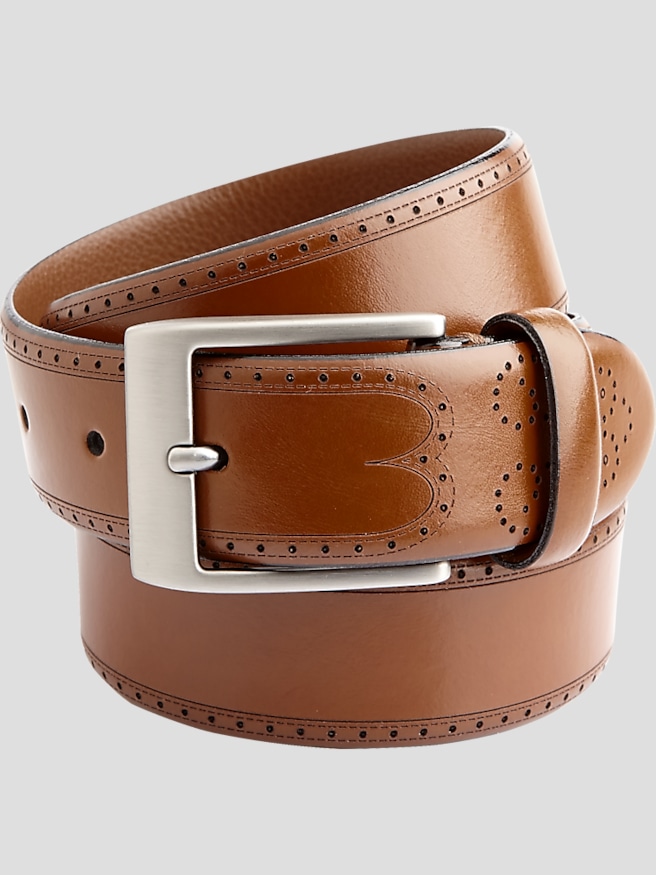
Luxury accessories bring together considered design, distinctive materials, and the small finishing details that make an outfit feel complete. In men’s wardrobes, the category encompasses refined leather goods, belts, silk neckwear, pocket squares, cuff links, and other accents that balance practical use with personal expression. Their appeal is not limited to visible decoration. A smooth lining, a neatly finished edge, or a closure that operates cleanly can be just as satisfying as a rich color or a polished surface. Quality becomes apparent through touch and repeated use: leather that feels supple without seeming flimsy, fabric that drapes gracefully, and hardware that feels secure rather than unnecessarily heavy. Full-grain leather retains the hide’s natural surface character and may develop a patina over time, while pebbled finishes can make minor marks less noticeable. Neither texture alone guarantees durability; the quality of the material, stitching, edge finishing, and construction all matter. Silk offers a distinctive interplay of color and light, with woven textures ranging from subtle matte effects to a more pronounced sheen. Fine wool and cashmere lend softness and a quieter surface texture, while metal accents introduce contrast through brushed, polished, or textured finishes. The strongest combinations feel deliberate without demanding attention. A dark suit with restrained neckwear and a crisp pocket square can convey confidence at a business presentation, while a textured leather accent brings definition to a more relaxed outfit. Luxury in this context is less about a conspicuous emblem than about proportion, finish, and how naturally an accessory belongs with the clothing around it. Familiar shades such as black, brown, navy, and burgundy create a versatile foundation, while a distinctive weave or an unexpected accent color adds individuality. For those drawn to more expressive styling, High Fashion Accessories offers a related perspective on accessories as a focal point rather than simply a finishing touch.
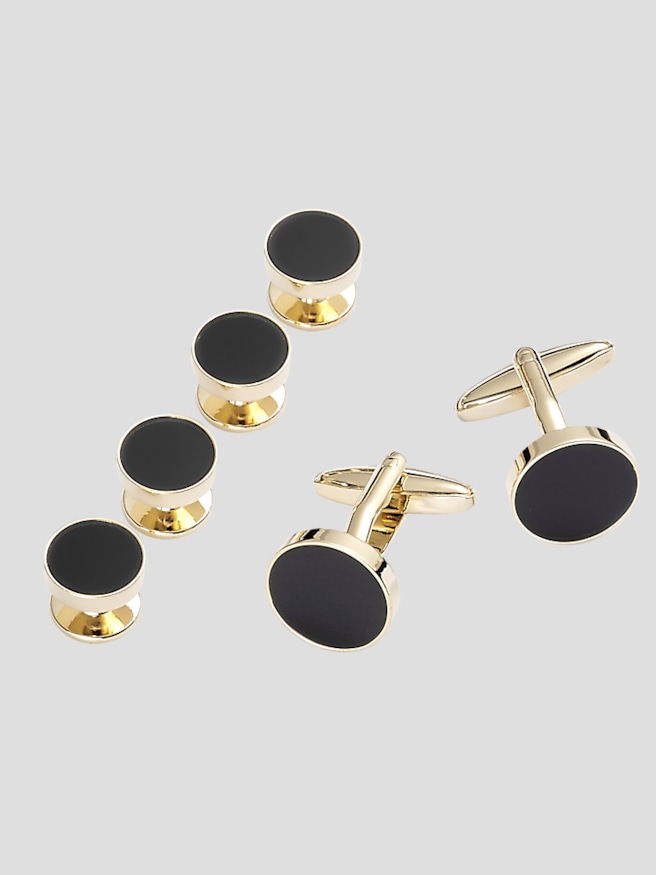
Fit and scale give luxury accessories much of their visual impact, even when the details are small. A belt should sit comfortably through the trouser loops, fasten without pulling, and leave a tidy length beyond the buckle rather than an extended tail. Because sizing conventions vary, the stated measurements matter more than an assumption that a belt size will match a trouser size. Buckle proportions also affect the result: a restrained shape generally sits comfortably within tailored dressing, while a larger profile creates a more assertive accent. Neckwear looks most balanced when its width relates to the jacket lapels and its knot sits neatly within the shirt collar. A dense silk weave may produce a fuller knot, whereas a lighter fabric can create a slimmer shape; either should feel comfortable at the neck and fall cleanly down the front of the shirt. Pocket squares bring another kind of dimension, whether folded into a clean line or arranged with a softer, less structured shape. A square that complements one color in the outfit often looks more natural than an exact repetition of the tie’s pattern. Cuff links require compatible shirt cuffs, and their size should allow the cuff to move comfortably beneath a jacket sleeve. Leather goods have their own fit considerations: a slim profile can preserve the line of tailored trousers, while additional compartments accommodate someone who carries more cards or receipts. Intended use makes these distinctions meaningful. Long office days favor accessories that stay comfortable and unobtrusive; a wedding or formal dinner gives polished finishes and more decorative details a clear setting. For travel between meetings, secure closures and thoughtfully arranged interiors can matter as much as appearance. Consistency need not mean perfect matching, either. Leather tones that share a similar depth and metal finishes with a compatible character can make an outfit feel coherent without looking overly coordinated. The result is a wardrobe of accents that supports the wearer’s routine rather than complicating it.
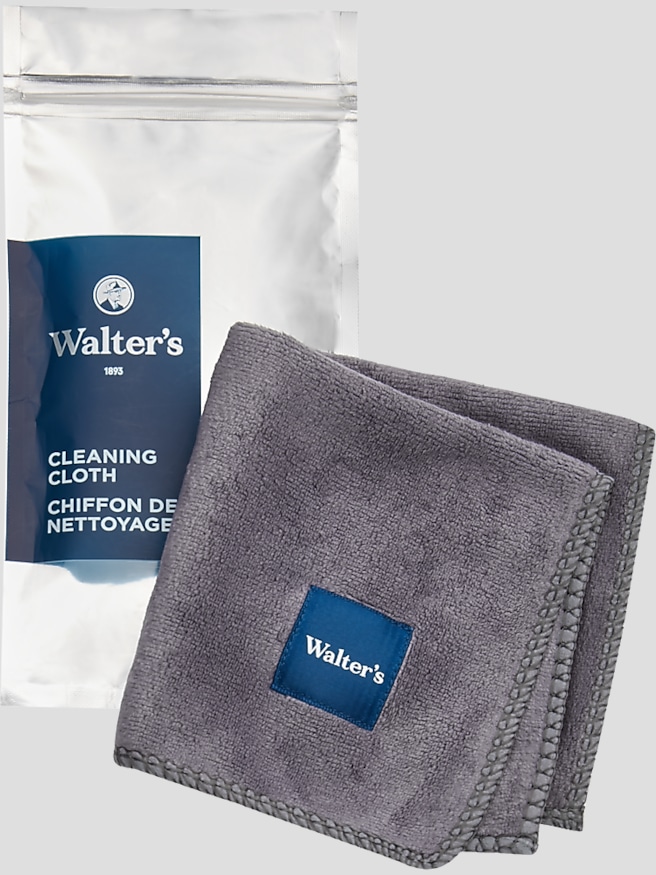
Lasting appeal depends on both sound construction and care suited to the material. Closely spaced, even stitching, cleanly finished seams, securely attached hardware, and smooth interior surfaces are useful signs of attention to detail, though no single feature establishes overall quality. Areas that flex or bear weight deserve particular consideration because repeated handling puts pressure on folds, fastenings, and attachment points. Leather benefits from gentle cleaning and appropriate conditioning when recommended by its maker; an unsuitable treatment can alter the color or finish, especially on suede, delicate surfaces, or specially coated materials. A soft cloth is often useful for routine surface dust, while more involved cleaning should follow the care instructions. Silk can snag against rough edges and may react poorly to spot treatments, making careful handling and material-appropriate professional cleaning important when needed. Neckwear keeps its shape better when knots are untied after use rather than left tightened, and loosely arranged storage helps prevent unnecessary creasing. Metal accessories benefit from separate storage that limits contact with harder surfaces, since even durable finishes can scratch. Plating, polished surfaces, and decorative inlays may each call for a distinct cleaning method, so abrasive cleaners are not a universal solution. These practical details matter for accessories used daily and for those reserved for milestone occasions. Luxury accessories can also make thoughtful gifts for a graduation, an anniversary, a wedding, or a professional achievement because they combine usefulness with a sense of occasion. The most personal choice reflects the recipient’s habits: someone who wears tailoring regularly may appreciate understated formal accents, while someone with a streamlined wardrobe may favor compact leather goods and uncomplicated finishes. Existing preferences offer helpful clues, from the metal tone of frequently worn jewelry to a preference for quiet texture over bold pattern. Presentation contributes to the moment, but comfort, function, and versatility shape the experience long afterward. An accessory earns its place through repeated wear, becoming a familiar detail at important gatherings and ordinary appointments alike. That balance of tactile pleasure, dependable construction, and individual character gives luxury accessories their enduring relevance.