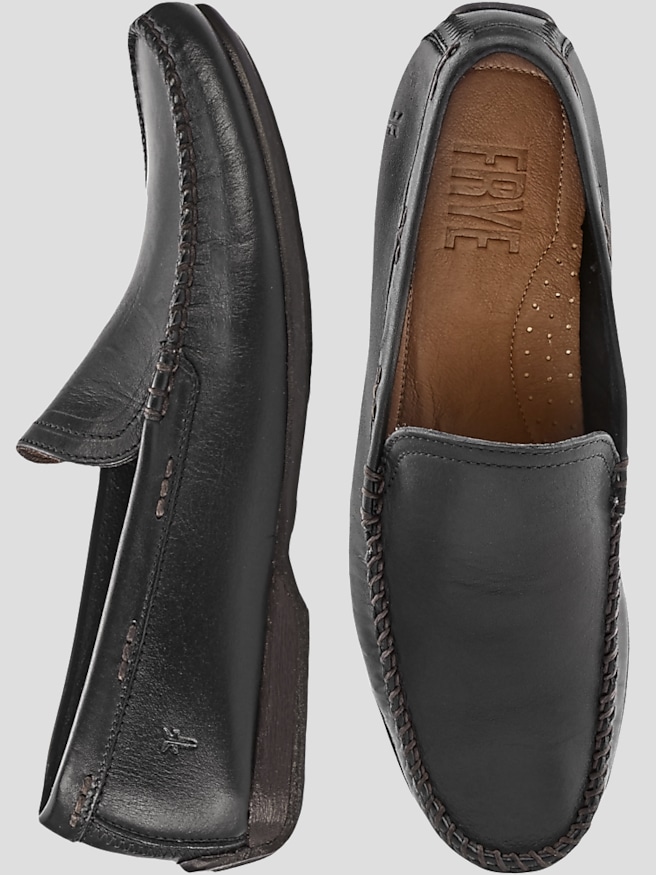
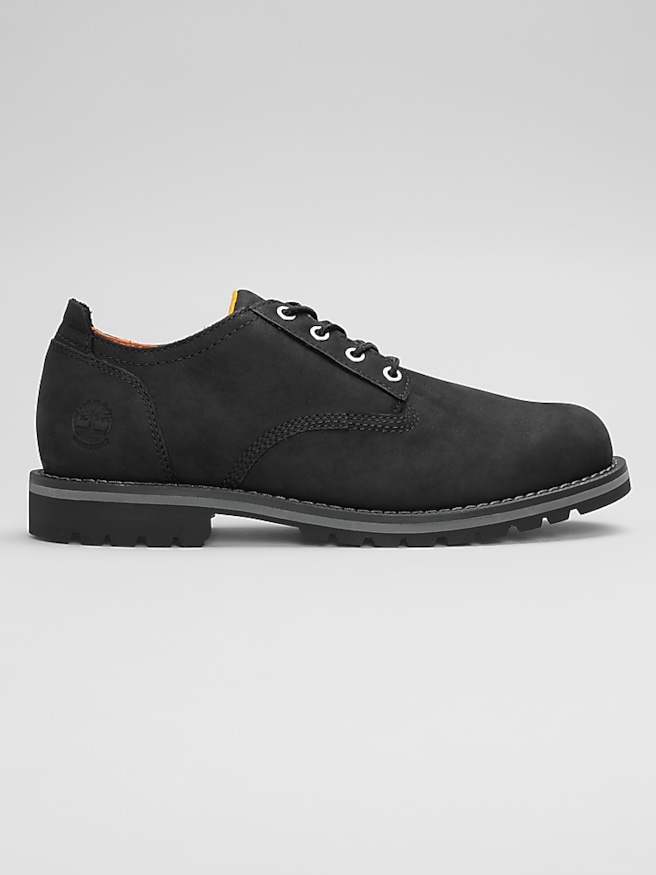
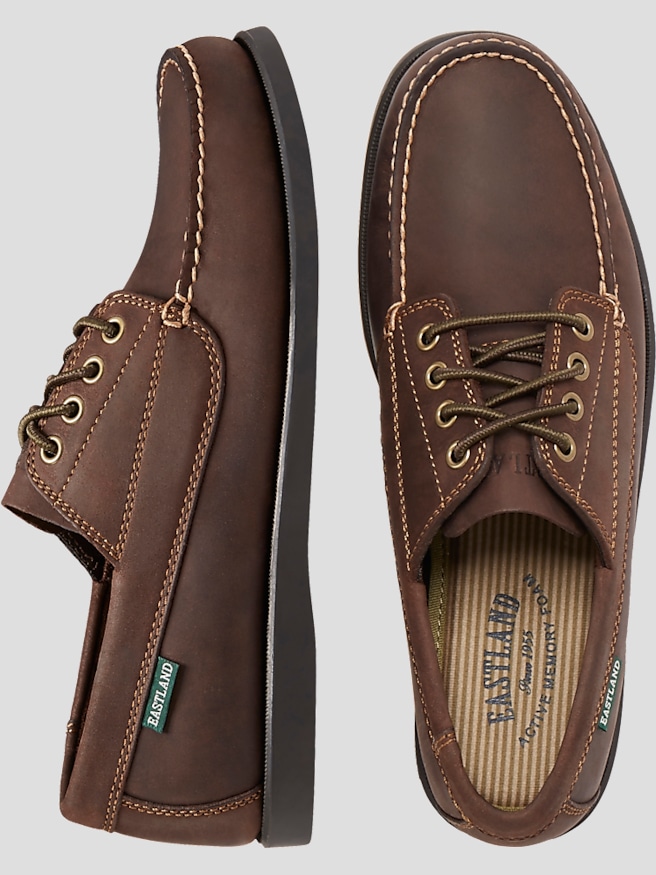
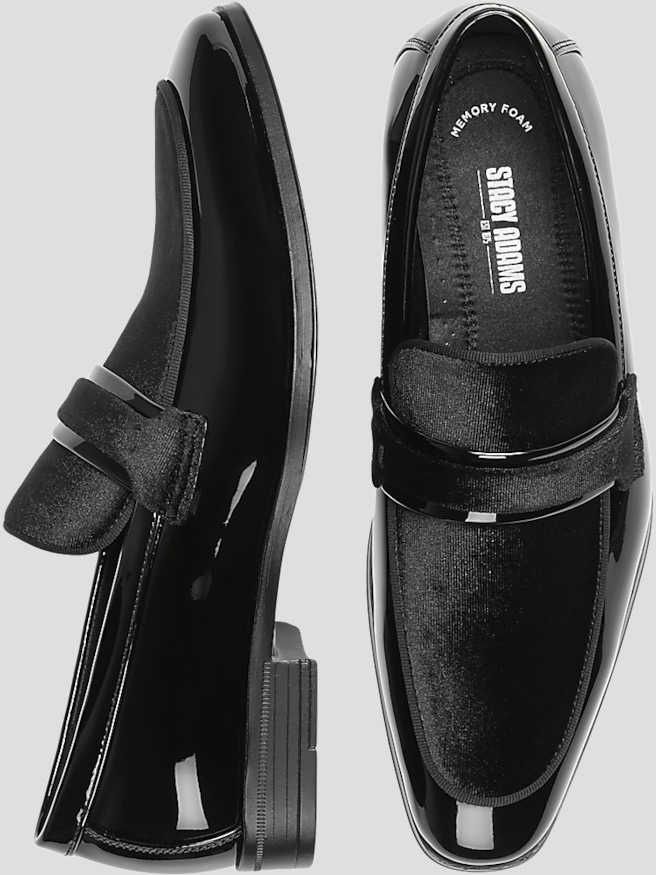
Loafers and Oxfords can both work for prom: Oxfords offer a traditional, formal appearance, while loafers provide a streamlined slip-on alternative with a more relaxed character. The best choice depends on the event’s dress code, the suit or tuxedo, and how securely the shoes fit. Oxfords have closed lacing, with the lace tabs attached beneath the front section of the upper, creating a neat profile that pairs naturally with tailored clothing. Smooth black leather Oxfords are a classic match for dark suits, and patent leather versions bring a glossy finish often associated with tuxedos. Loafers have no laces, so their shape, material, and detailing carry more of the styling. Structured black or dark brown polished leather loafers generally look dressier than soft, casual suede styles. With a suit, that polished finish helps a slip-on shoe feel intentional rather than everyday. For a tuxedo, the distinction is more specific: sleek black formal loafers or evening slippers may suit the outfit, while casual penny loafers with thick soles usually feel out of place. Any stated dress requirements should take priority over personal styling preferences. Color also changes the effect. Black creates a crisp connection with a black tuxedo, charcoal suit, or dark navy tailoring; dark brown can complement navy and some gray suits when the event allows a less formal approach. Toe shape deserves attention, too. A softly rounded or gently tapered toe usually follows the lines of tailored trousers without drawing attention away from the outfit. An exaggerated point, bulky sole, or oversized ornament makes the shoes a stronger visual feature. A clean, plain upper keeps the focus on the whole look, while perforations, tassels, or metal hardware add detail. For prom photos, the most cohesive result usually comes from matching the shoes’ level of dressiness to the clothing rather than trying to make every accessory stand out. The shoes do not need to mirror every detail of the belt or watch, but their finish should feel at home beside the rest of the outfit.
Comfort matters just as much as appearance when the evening includes standing for pictures, walking into the venue, sitting through dinner, and spending time on the dance floor. Oxfords offer some adjustment through their laces, which can help secure the foot, though their closed-lacing construction may feel less forgiving over a high instep. Loafers depend more heavily on the relationship between the heel, instep, and opening because there are no laces to fine-tune the hold. A loafer should feel secure without pinching across the top of the foot or forcing the toes forward. Repeated heel lift, toe gripping, or a need to curl the foot to keep the shoe on suggests that the size or shape is not a good match. Leather can soften with wear, but a painfully tight shoe should not be treated as a promising fit. Trying dress shoes with the socks intended for prom gives a more useful impression than trying them with thick athletic socks. Thin dress socks create a clean line with Oxfords, while low-profile liners can work with loafers when the dress code and trouser styling allow an exposed ankle. In either case, the sock should stay in place rather than bunch beneath the foot. Materials affect the experience as well. Smooth leather offers structure and can develop gentle creasing as it flexes; suede has a softer texture but generally reads less formally and needs more protection from marks. Patent finishes provide shine, although flexibility varies with the underlying material and construction. Lining, seams, cushioning, and sole design all influence comfort beyond the upper alone. Leather soles have a traditional dress-shoe appearance, while discreet rubber components may offer more traction, depending on their construction and the floor surface. A short walk, a few turns, and several minutes of standing can reveal pressure points that are easy to miss while seated. Wearing the shoes indoors before prom also helps establish whether they feel comfortable through ordinary movement.
The trouser hem is where the choice between loafers and Oxfords becomes especially visible. A hem that lightly meets the shoe creates a clean transition, while excess fabric can hide the shape and collect around the ankle. Loafers often look balanced with little trouser break, allowing the low opening and streamlined upper to remain visible. Oxfords also suit a neat hem, with the lacing and toe providing structure beneath the trouser leg. Neither style needs an overly short hem to look modern; standing, sitting, and walking in the complete outfit gives a better sense of proportion than looking at the shoes alone. Care helps preserve that finished appearance beyond the first set of photos. Smooth leather generally benefits from gentle cleaning and a compatible conditioner or polish, following the maker’s instructions and testing unfamiliar products on an inconspicuous area. Patent leather calls for a soft cloth and products intended for its finish rather than ordinary leather polish. Suede needs a suitable brush and careful spot treatment, and textured evening fabrics require care appropriate to the material. After an evening of wear, removing surface dirt and allowing the shoes to air out away from direct heat helps protect their shape and finish. Properly fitted shoe trees can support leather uppers between wears, while storage that prevents crushing keeps toes and heels from becoming misshapen. Durability depends on construction, materials, fit, and care—not simply on whether a shoe has laces. A secure fit also reduces the sliding and friction that can wear on linings. For a first pair of dress shoes, usefulness beyond prom may matter: understated Oxfords can suit graduations, interviews, and formal celebrations, while polished loafers can move between tailored occasions and dressier everyday outfits. A gift pair benefits from the recipient’s input on fit and preferred style. Whether considering Oxford Loafers for prom alone or for occasions afterward, the strongest choice balances the expected formality with a comfortable, dependable fit.