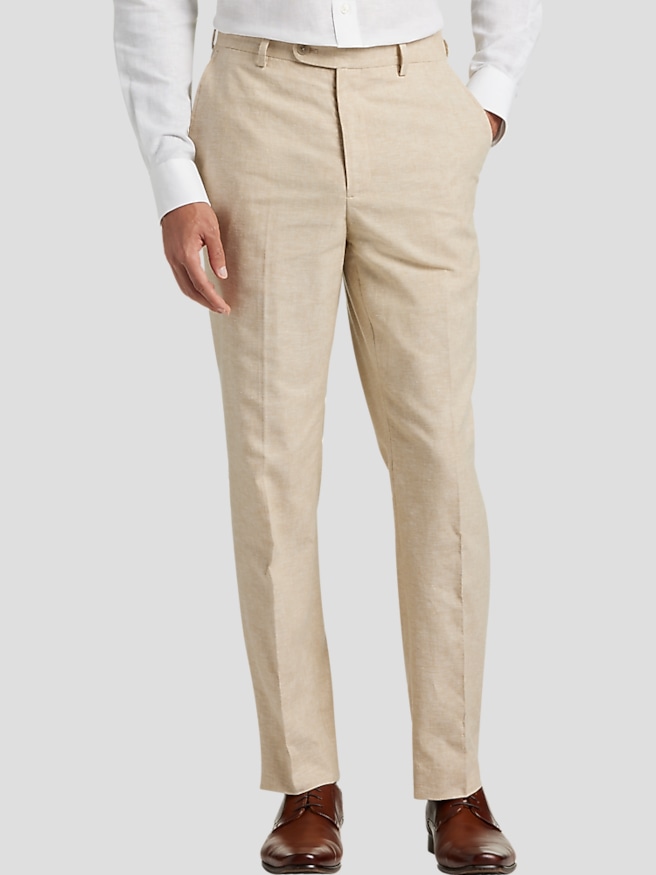
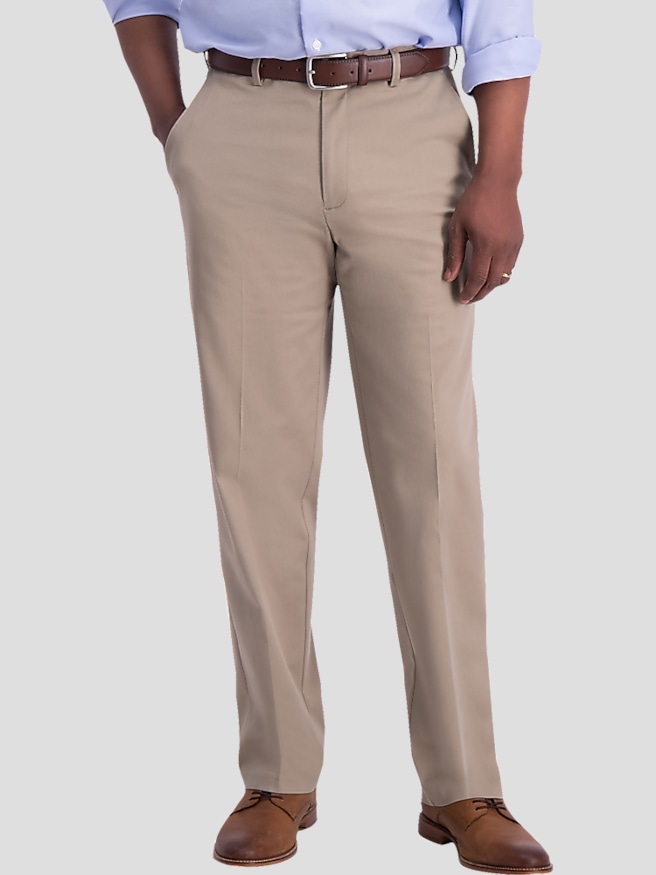
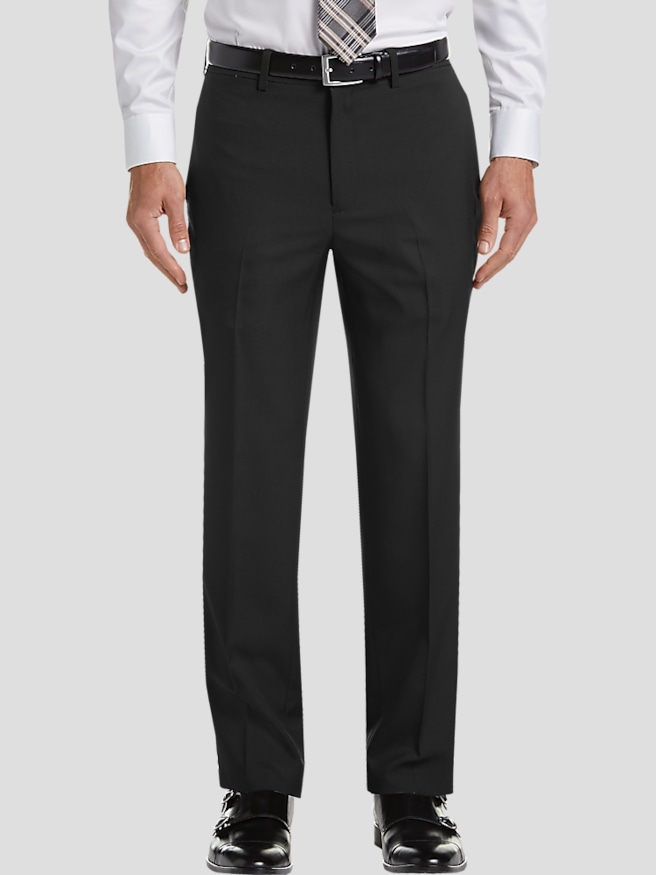
Linen pants for men bring together a breathable feel, distinctive texture, and an easy drape that works for both relaxed outfits and more polished occasions. Linen is made from flax fibers, and its character comes partly from the subtle irregularities in the yarn, which give the fabric a softly textured surface rather than a perfectly smooth finish. Those small variations help distinguish linen from crisp cotton chinos or traditional dress trousers. Pure linen typically has an airy hand and visible creasing, while linen blends can offer a different balance of softness, structure, and flexibility. Cotton can add a familiar feel and a little more body; viscose can contribute fluid drape; and a small amount of stretch fiber can provide extra give when sitting or moving. The fiber percentages, weave, and finishing all influence how a pair feels, so the linen label alone does not tell the whole story. A loosely woven fabric may feel especially light, while a denser weave can provide more coverage and a more defined silhouette. Natural creasing is part of linen’s appearance, not necessarily a sign that the pants need pressing after every wear. For a casual dinner, those soft folds can complement an open-collar shirt and loafers; for a ceremony or a business-casual setting, a smoother finish and a structured waistband can create a more tailored impression. Color also affects the overall look. Beige and soft neutrals emphasize linen’s texture, while navy, gray, and deeper earth tones can look understated and polished. Lighter shades may reveal pocket outlines or show through under direct light, depending on fabric weight and construction. Pocket bags, lining, and discreet underlayers can therefore matter just as much as color. The appeal is a fabric that has personality without needing a bold pattern, giving simple outfits depth through texture, drape, and the way the cloth moves.
Fit determines whether linen pants look intentionally relaxed or simply oversized. A comfortable waistband should sit securely without digging in, and the fabric across the seat and thighs should fall cleanly rather than pull into horizontal lines. Because linen usually has little inherent elasticity, adequate room through these areas is especially important in styles without added stretch. A slim fit follows the leg more closely, a straight fit maintains a more consistent line, and a relaxed fit allows additional ease through the seat and thigh. These descriptions can vary by cut, making garment measurements and the stated fit more useful than the name alone. Rise changes the proportions, too: a higher rise can work well with a tucked shirt and a defined waist, while a lower or mid-rise cut may suit a more casual silhouette. Pleats provide room at the top of the leg and can create a fuller drape; a flat front offers a simpler, cleaner appearance. Drawstring and elasticized waists lean relaxed, while belt loops, a button closure, and a tailored waistband generally pair more naturally with tucked shirts and jackets. Within that range, Men's Linen Trousers can support outfits that feel comfortable without losing a sense of occasion. Length deserves equal attention. A hem that just meets the shoe creates a clean line, while excess fabric bunching at the ankle can make a lightweight trouser look untidy. A slightly shorter hem can complement loafers or simple sneakers, provided it looks deliberate rather than accidentally short. When alterations are appropriate, the intended shoes and preferred waist position help establish the right length. Sitting down, taking a full stride, and checking how the pockets lie are practical ways to judge the fit beyond a standing mirror view. Well-proportioned linen pants should have room to move while keeping the waistband, pockets, and leg line settled.
The most versatile linen outfits balance the pants’ visible texture with pieces that feel equally considered. A knit polo adds softness without the formality of a dress shirt, while an Oxford shirt brings more structure to a relaxed pair. A plain T-shirt can look neat with a clean hem and well-kept footwear; a tucked button-down, leather belt, and loafers create a dressier combination. For a beach ceremony or destination celebration, linen pants can suit a less formal dress code, although the invitation and venue should determine whether separates are appropriate. A jacket does not have to match the trousers, but its fabric weight and texture should feel compatible rather than sharply at odds. Muted colors are easy to combine, and contrast between the shirt and pants can define an outfit without adding a pattern. Linen can also be a practical gift for someone who appreciates natural fabrics or relaxed tailoring, especially when their waist size, preferred rise, and usual fit are known. Care needs are worth considering alongside style. The care label takes priority because blends, linings, waistbands, and finishing treatments can require different handling. Some linen pants are washable, while others call for professional cleaning. For washable pairs, a gentle cycle, mild detergent, and adequate space in the machine can help reduce unnecessary abrasion and twisting. High dryer heat can cause shrinkage or damage certain blends, so drying should follow the garment instructions. When ironing is permitted, pressing while the fabric is slightly damp can make creases easier to smooth; steam may help freshen the appearance between wears if the label allows it. Hanging pants neatly or folding them along their existing lines helps limit deep storage creases. Linen’s fibers can be durable, but repeated friction, harsh cleaning, and overloading pockets can still take a toll on the finished garment. Thoughtful care preserves the fabric’s texture and shape without trying to erase every natural fold. That balance is central to linen’s appeal: a trouser with enough character for an easygoing outfit and enough refinement to dress with purpose.