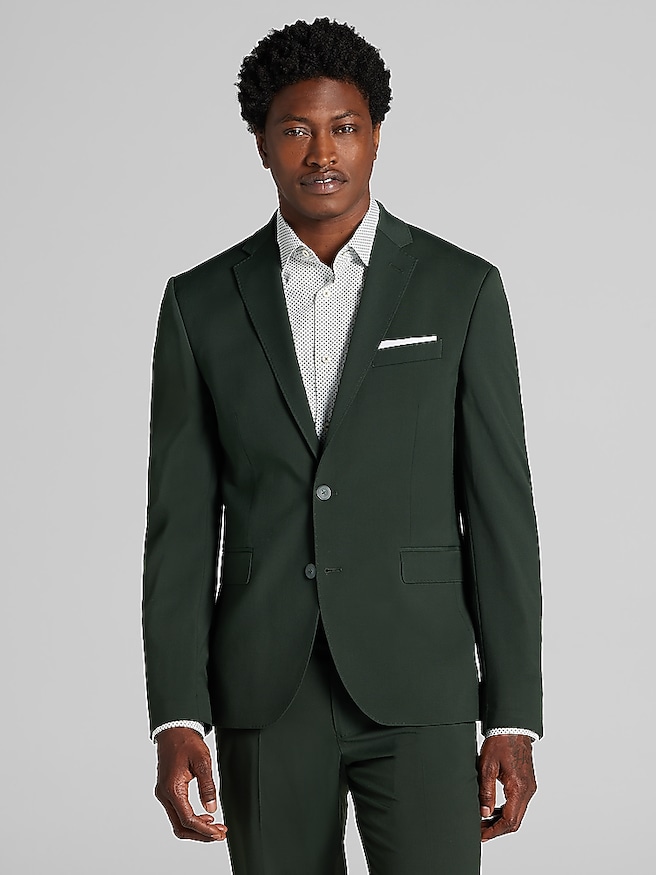
Lightweight summer suits for men combine breathable fabrics with lighter construction to help maintain a polished appearance in warm weather. Linen, cotton, seersucker, and tropical-weight wool are common choices, each with a distinct texture, drape, and response to wear. Linen has a crisp, airy feel and develops natural creases that suit relaxed celebrations and outdoor gatherings. Cotton suiting offers a clean, familiar texture, while cotton poplin can provide a smoother finish with less bulk than heavier weaves. Seersucker’s puckered surface holds portions of the cloth away from the skin, creating small spaces for air to move. Tropical wool uses lightweight yarns and often an open weave, giving it a tailored drape without the density associated with heavier wool suits. It can also recover from minor creasing better than linen, although performance depends on the fabric and construction. Blends may combine the softness of one fiber with the shape retention or resilience of another; the fiber percentages and care label offer a clearer picture than the word “lightweight” alone. Breathability and moisture management are related but not identical: an airy weave encourages ventilation, while fibers and finishes affect how the fabric absorbs, moves, and releases moisture. Jacket construction matters just as much as cloth. A partially lined or unlined jacket can reduce layers through the body, while minimal shoulder padding creates a less structured silhouette. Sleeve linings may still help the jacket slide comfortably over a shirt. Fabric weight, weave, lining, and fit all contribute to comfort, so a thin material with a tight weave may feel less airy than a slightly more substantial cloth with an open structure. Comfortable summer tailoring allows easy movement when seated and keeps enough shape for the occasion, whether that means a weekday presentation or a ceremony beneath a shaded garden canopy.
A well-proportioned fit gives a lightweight suit room to breathe without making the silhouette look loose or unfinished. The jacket’s shoulders should follow the natural shoulder line, and the lapels should lie flat rather than pull away from the chest. When the jacket is buttoned, pronounced pulling around the closure can signal that more room is needed. Slim fits create a closer outline, while more relaxed cuts provide additional space through the chest, seat, and thighs; either can look sharp when the proportions suit the wearer. Lightweight trousers benefit from a clean drape, with enough room to sit through a ceremony, climb stairs, or walk several blocks without fabric binding at the knees. A slight trouser break gives a traditional finish, while a shorter hem can complement a more relaxed outfit without leaving excess cloth around the shoes. Color and texture help establish the setting. Pale gray, tan, and soft blue have an easygoing character for daytime receptions and outdoor events, while navy offers a more understated option for offices and evening gatherings. Dark colors can still work in summer when the fabric and construction are appropriate. A smooth wool suit with a crisp shirt and tie feels suited to client meetings or a wedding with a formal dress code; textured linen with an open-collar shirt reads more casually. Summer weight alone does not make a suit appropriate for every dress code, and a black-tie invitation still calls for the specified attire. Lightweight dress shirts, restrained accessories, and shoes suited to the venue help keep the overall look intentional. Loafers can work well for a relaxed reception, while lace-up dress shoes give business attire a more traditional finish. For grooms, wedding guests, graduates, and men whose schedules move between work and celebrations, versatility often comes from a fabric that holds a neat line and a color that works with several shirts. A suit given to mark a graduation or career milestone is most useful when the recipient’s measurements, preferred fit, and everyday needs shape the choice.
Care and durability are especially important with lightweight tailoring because a finer cloth should retain its shape without being treated like heavy everyday workwear. Durability depends on the yarn, weave, construction, and frequency of wear, not simply whether the fabric feels thin. An open weave can be breathable yet vulnerable to snagging on rough seating or sharp bag hardware, while repeated friction at trouser pockets and the seat can gradually affect the finish. Rotating suits and allowing each one to air out between wears helps reduce unnecessary cleaning and gives the fabric time to recover. A broad, shaped hanger supports the jacket’s shoulders, and properly hung trousers are less likely to develop deep folds. Care instructions should determine whether a suit needs professional cleaning or permits another method; a cotton or linen fiber label does not automatically mean a tailored garment is machine washable. Linings, internal structure, and trims can require more careful treatment than the outer cloth alone. Gentle brushing can remove surface dust, and pressing should follow the recommended temperature and technique to avoid shine or damage. For travel, fewer hard folds and space to hang the suit after unpacking help preserve its appearance. Men's Lightweight Wrinkle-Resistant Summer Suits are a related option for business trips, destination weddings, and days that involve extended sitting. Wrinkle resistance can reduce visible creasing, but it does not mean a garment will remain completely smooth through a flight or hours in a car. Linen’s relaxed folds, cotton’s crisper creases, and wool’s natural recovery each create a different look by the end of the day. A suit for a beachfront ceremony may look entirely appropriate with some texture and movement, while one intended for repeated office wear may call for a smoother finish. Matching those expectations to the fabric, fit, and care requirements makes lightweight summer suiting easier to wear comfortably and maintain over time.