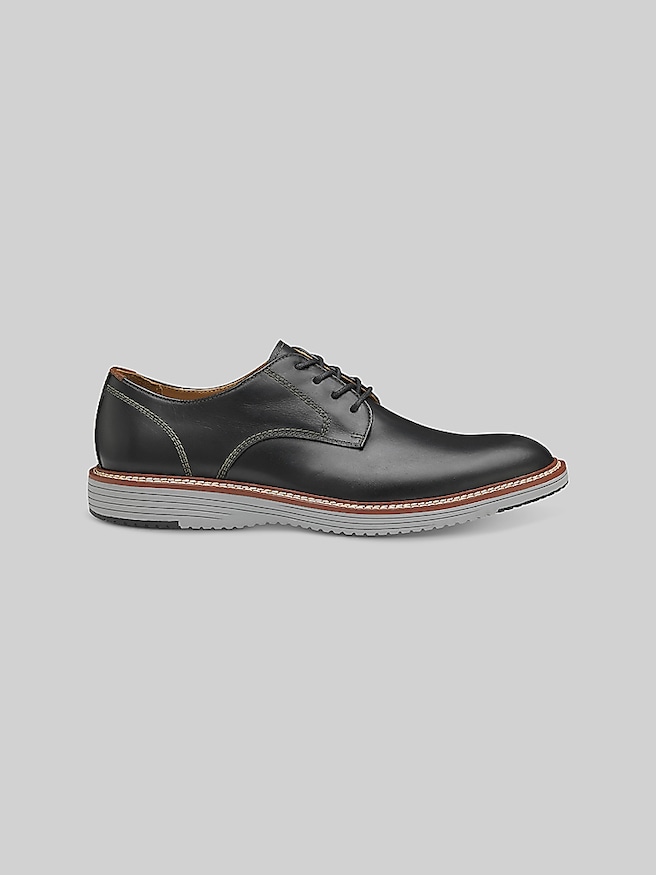
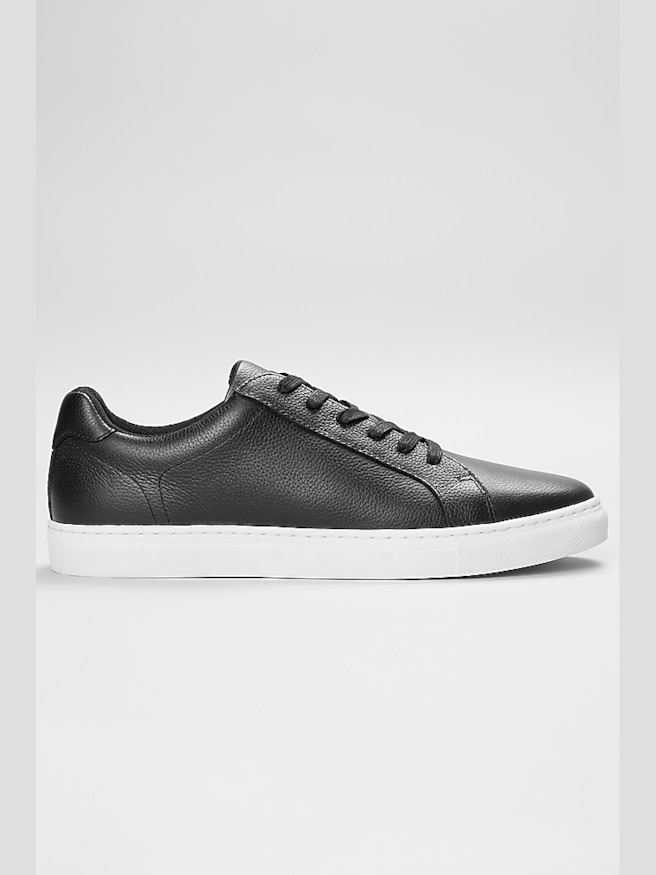
Lightweight dressy casual footwear for graduation combines a polished appearance with the flexibility and cushioning needed for a day that rarely ends when the ceremony does. The best match depends on the dress code, the venue, and how much walking the celebration involves, but a few qualities matter across the category: manageable weight, a secure fit, a neat silhouette, and an outsole suited to the surfaces underfoot. Loafers offer a clean slip-on shape that works well with tailored trousers and chinos. Derby-style lace-ups add adjustable support across the instep, while understated dress sneakers can suit a more relaxed ceremony when school or venue guidelines allow them. Smooth leather gives these styles a crisp finish; suede creates a softer, less formal impression; and textile or knit panels can add flexibility and ventilation. Material alone does not determine how light a shoe feels, though. The upper, lining, footbed, and sole all contribute to its overall weight and feel. Lightweight foam midsoles, including EVA, can provide cushioning without the heft of some traditional constructions, while rubber contact areas can add grip and help protect high-wear spots. A slim profile keeps the look dressy, but a thin sole is not automatically more comfortable or lighter than a thoughtfully cushioned one. For a graduate crossing a stage, a guest finding a seat in a large auditorium, or a family member walking between the ceremony and a celebration meal, the appeal is the same: footwear that looks intentional without feeling cumbersome. Subtle stitching, restrained hardware, and a balanced toe shape keep attention on the complete outfit rather than the shoes alone. Beneath a graduation gown, where footwear may be one of the few visible personal details, that balance can make even a simple combination of trousers and a collared shirt feel considered.
Comfort starts with fit rather than a label describing a shoe as lightweight. A well-fitting pair should hold the heel securely, leave room for the toes to move, and avoid concentrated pressure across the ball of the foot or the top of the instep. Loafers depend especially on the relationship between heel fit and instep volume: a shoe that slips excessively may feel unstable on stairs, while one that grips too tightly can become distracting during a long ceremony. Lace-up styles allow more adjustment, which can be helpful when one foot is slightly larger than the other or when sock thickness changes. Trying footwear with the socks intended for graduation gives a more useful sense of fit than trying it with whatever happens to be convenient. Thin dress socks generally preserve a streamlined appearance, and low-cut socks can support a clean loafer look if they stay in place and remain hidden beneath the opening. Cushioning should feel supportive rather than so soft that the foot shifts inside the shoe. A flexible forefoot can make walking feel more natural, while a stable heel helps maintain a planted feel when standing for photographs. Neither generous padding nor low weight guarantees comfort on its own; interior seams, lining texture, arch shape, and the position of the shoe’s flex point matter, too. A short indoor wear test before the occasion can reveal rubbing or heel movement while there is still an opportunity to reassess the fit. Venue surfaces deserve equal attention. Smooth auditorium floors, broad staircases, paved walkways, and lawns each place slightly different demands on an outsole. A modest tread can preserve a refined appearance while providing useful traction, although no sole should be assumed slip-proof. For a schedule that includes parking, check-in, the procession, and a reception afterward, familiar comfort is more valuable than relying on stiff footwear to soften during the event.
Color and finish help lightweight footwear bridge the space between ceremony attire and the gathering afterward. Black works naturally with gray or black trousers and creates a clean line beneath a dark gown. Brown tones pair easily with navy, tan, and many neutral separates, while deeper shades can feel more formal than pale or heavily distressed finishes. Keeping the shoes close in formality to the belt, trousers, and jacket usually creates a more cohesive result than matching every shade exactly. With loafers, a tidy trouser hem allows the shape of the shoe to show without fabric pooling over the upper; with lace-ups, a slight break can maintain a tailored appearance. For a more polished interpretation of the occasion, Elevated Dressy Casual Graduation Footwear provides a related direction for looks built around sharper tailoring and understated details. Beyond the ceremony, versatile footwear can remain useful for presentations, celebratory dinners, office settings with a relaxed dress code, and other occasions that call for more polish than athletic shoes. That continued use also makes comfort-focused dressy casual footwear a thoughtful graduation gift, particularly when the recipient’s size, width, and preferred style are known. Durability depends on construction and care as much as initial appearance. Reinforced high-wear areas, even stitching, secure sole attachment, and a lining that feels smooth against the foot are useful details to consider. Smooth leather generally benefits from gentle cleaning and occasional conditioning with a suitable product, while suede calls for a dedicated brush and care appropriate to its nap. Textile uppers should be cleaned according to their care instructions rather than assumed machine-washable. Allowing shoes to air out between wears, loosening laces before removal, and using a shoehorn can help preserve their shape. With the right balance of low weight, dependable fit, and straightforward upkeep, graduation footwear can earn a place in everyday dressed-up routines long after the final photograph.