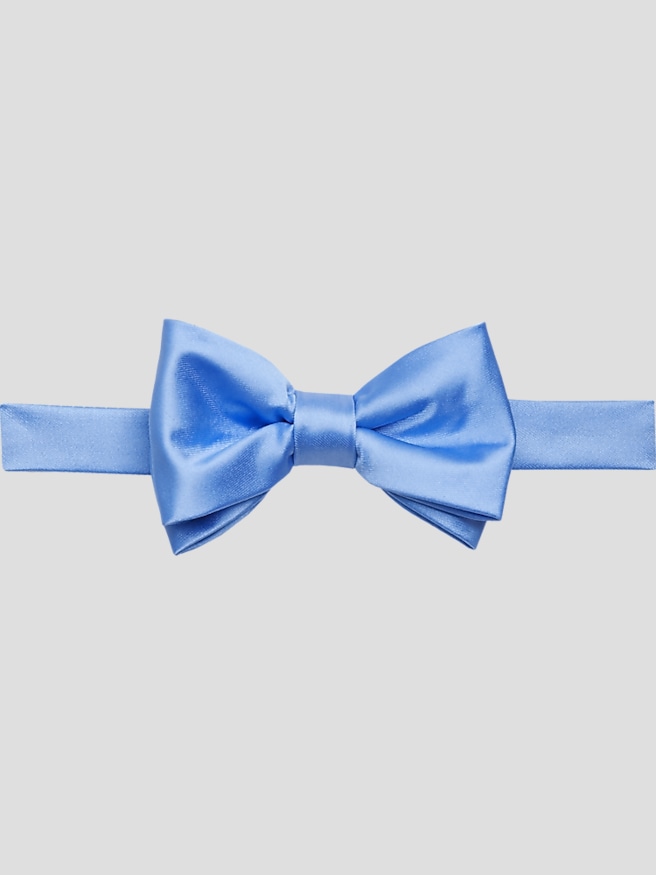
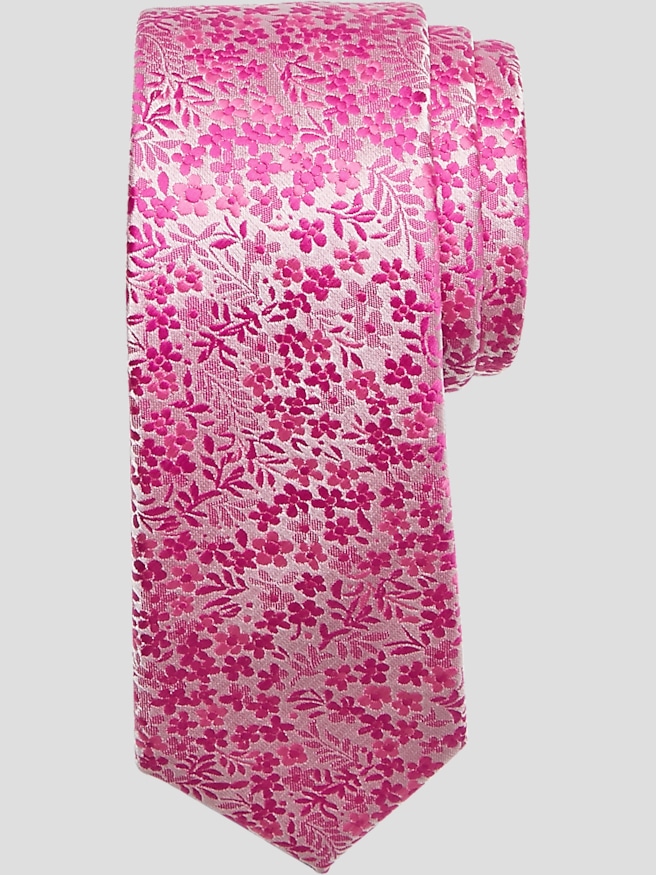
Light blue ties bring a clean, approachable finish to polished dressing, balancing the formality of tailored clothing with a lighter touch. Their soft blue color can brighten a dark suit, add contrast to a gray jacket, or create a refined tonal look with a medium or pale blue shirt. Because the shade feels both classic and relaxed, it works across a wide range of settings, from ceremonies and milestone celebrations to business gatherings, dinners, interviews, and everyday office wear. During the cooler months, a light blue tie can add welcome brightness to deeper seasonal suiting without looking out of place, especially when paired with charcoal, navy, or textured gray layers. When choosing a tie, consider the overall proportions of the outfit first. A wider lapel generally pairs well with a fuller tie, while a slimmer lapel often looks balanced with a narrower style. The tie should also complement the scale of the shirt collar and the wearer's build, creating a neat visual line from the collar to the jacket. For a traditional appearance, a solid light blue tie offers dependable versatility and allows the shirt, pocket square, or suit texture to provide subtle interest. A restrained pattern can bring more dimension while keeping the outfit composed. Small repeating motifs, fine stripes, and understated textures tend to coordinate easily with other wardrobe pieces, making them practical additions for someone building a flexible collection. Fabric can influence the mood as much as color: a smooth finish looks crisp and formal, while a softly textured weave can feel more relaxed and especially appealing with seasonal tailoring. Before choosing, look at the shirts and suits already in the closet, since the most useful tie is often the one that completes several outfits rather than only one special ensemble.
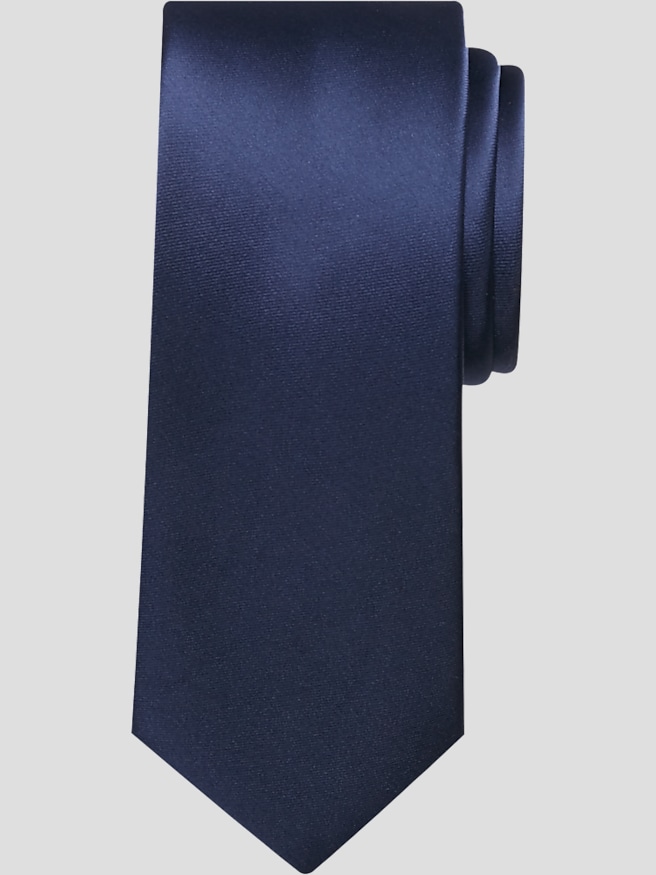
A light blue tie can also make a thoughtful gift for someone starting a new job, preparing for a ceremony, updating a professional wardrobe, or refining a collection of accessories. It is an easy color to give because it feels distinctive without being difficult to wear, and it can suit a range of personal styles. A useful gift pairing might include a crisp dress shirt, a neatly folded pocket square, or a simple tie bar, provided the colors and finishes work together rather than matching too precisely. For a first formal wardrobe, start with versatile shades and patterns that can move from a morning meeting to an evening reception with only a change of jacket. A light blue tie worn with a white shirt creates a bright, high-contrast combination; with a pale blue shirt, it produces a quieter layered effect, so choose enough difference in tone or texture to keep the pieces distinct. It can also soften a strong dark suit, giving the outfit a welcoming quality in photographs and in person. Paying attention to the knot helps complete the look. A four-in-hand knot offers a slightly relaxed, narrow shape, while a half-Windsor creates a fuller, more symmetrical appearance that suits many spread collars. The finished tie should reach approximately the middle of the waistband, and the knot should sit securely against the collar without pulling the shirt out of shape. For dependable coordination in especially formal settings, explore Dark Navy Ties as a deeper alternative that shares the same polished versatility. Whether selected for a meaningful gift or a personal wardrobe refresh, light blue ties give tailored outfits an inviting sense of color, making it easier to look prepared while still expressing individual style.