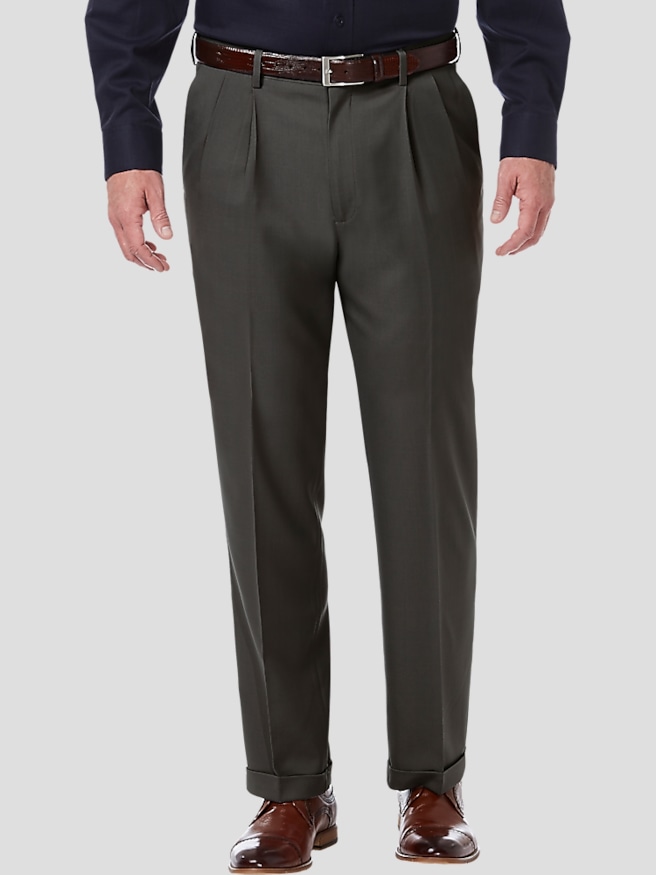
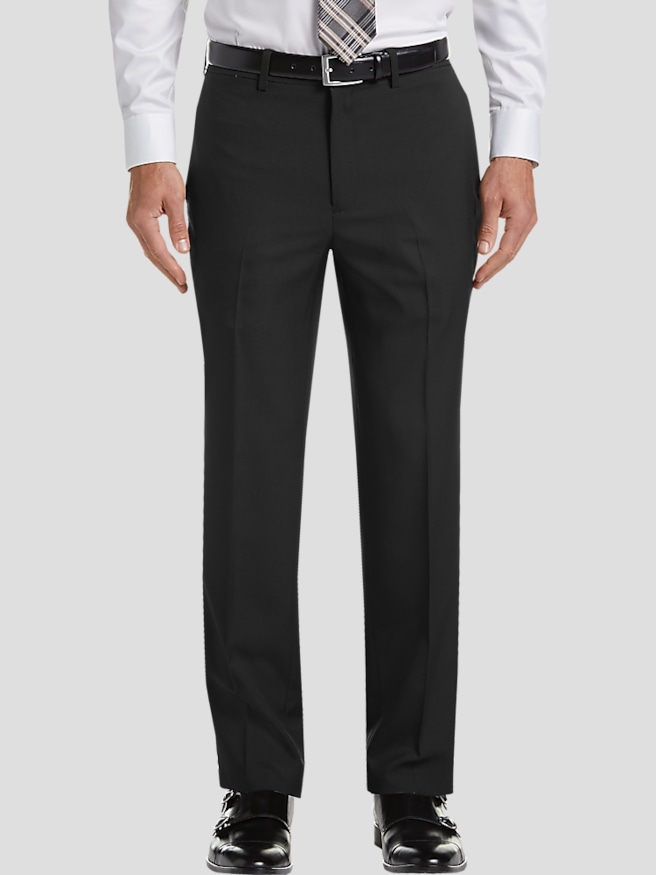
Light blue dress pants are tailored trousers that offer a softer alternative to navy, charcoal, or black for office wear, celebrations, and smart-casual occasions. Their appeal comes from the balance between a familiar dress-pant shape and a lighter color that feels distinctive without requiring a bold pattern. A pale blue pair with a white button-down and brown leather shoes looks composed for a client lunch, while the same trousers with a navy blazer can suit a rehearsal dinner or a graduation celebration. For wedding guests, light blue works particularly well when the invitation calls for cocktail or dressy-casual attire, provided the complete outfit matches the venue and dress code. These trousers are not a substitute for formal evening attire when a tuxedo is expected. The shade itself makes a difference: powder blue has a soft, understated appearance, while a slightly grayer blue can feel more restrained alongside traditional business clothing. Subtle texture also changes the impression, giving a solid color depth without competing with a patterned shirt or tie. Because light blue is less visually heavy than dark trousers, it creates a noticeable contrast with darker jackets and knitwear. A navy jacket, pale blue pants, and a white shirt make a practical combination when a full matching suit would feel unnecessary. A fine-gauge crewneck or polo can take the same color in a more relaxed direction for an office with a flexible dress code. Within the broader category of Men's Light Blue Pants, dress-focused styles are distinguished by details such as pressed creases, discreet pockets, a tailored waistband, and a clean drape through the leg. Those details help the color feel intentional rather than casual, making light blue an approachable choice for someone building a wardrobe beyond standard dark neutrals. It also offers enough versatility to repeat across different outfits without making every combination look identical.
Fabric and fit determine how light blue dress pants look and feel over the course of a day. Wool can provide a smooth drape and natural resilience, while wool blends may combine that tailored appearance with other performance characteristics, depending on their composition. Cotton often has a more matte surface and a slightly more relaxed character; its tendency to crease varies with the weave and finishing. Blended fabrics containing synthetic fibers may improve wrinkle resistance or shape retention, although the fabric label and construction matter more than a broad material description alone. A small amount of stretch can make sitting, walking, and climbing stairs more comfortable, but it does not replace a well-proportioned fit. Light colors also make fabric coverage worth considering. A sufficiently substantial weave, appropriate lining, and smooth pocket construction can help keep pocket bags and shirt tails from showing through. The waistband should sit securely without digging in, and the front should lie relatively flat rather than pulling across the hips or forming tight horizontal lines. Through the seat and thighs, enough room for natural movement usually creates a cleaner appearance than fabric stretched close to the body. A slim fit follows the leg more closely, a straight fit gives a consistent line, and a roomier cut offers additional space without needing to look oversized. The best choice depends on body proportions and personal preference, not simply the name attached to the fit. Rise matters as well: a comfortable rise allows the waistband to stay in place while seated and helps a tucked shirt remain neat. At the hem, a slight break gives a traditional finish over dress shoes, while little or no break creates a sharper outline with loafers. Excess fabric bunching at the ankle can distract from the trousers’ otherwise clean shape. Hemming and other appropriate alterations can refine the proportions, especially when the waist fits well but the length or leg line needs adjustment. Looking at the trousers both standing and seated gives a more useful sense of fit than judging the waistband alone.
The most dependable pairings let light blue dress pants provide the color while the rest of the outfit supplies structure and contrast. White, ivory, navy, and gray shirts or knitwear keep the palette easy to coordinate, and a small-scale stripe can add interest without overpowering the trousers. A light blue shirt can also work, especially when its shade is clearly different from the pants; an almost-match may look less deliberate than a distinct contrast. Medium or dark brown leather shoes give the outfit a grounded finish, while burgundy footwear introduces a richer accent. Black shoes can work with a darker jacket and a more restrained overall palette. When a belt is worn, keeping its color close to the shoes creates continuity without requiring an exact match. For a presentation or important dinner, a tucked shirt, pressed crease, and neat hem often matter more than extra accessories. For a relaxed gathering, an unstructured jacket or a neatly fitted knit polo preserves the tailored character without making the outfit feel overly formal. Light blue trousers can also make a thoughtful gift for someone starting a new job, marking a graduation, or refreshing a business-casual wardrobe, particularly when the recipient’s preferred size and fit are known. Keeping the color looking crisp requires attention to the care label rather than a single cleaning method for every fabric. Some dress pants require professional cleaning, while others permit careful home laundering. Promptly addressing marks according to the fabric’s care instructions helps prevent a small spill from becoming a lasting stain; vigorous rubbing can spread the mark or disturb the surface. Empty pockets before storage, allow any moisture to dry, and use a suitable trouser hanger to limit unnecessary creasing. Pressing should follow the recommended heat setting, with a pressing cloth where appropriate to reduce the risk of shine. Careful cleaning, a comfortable fit, and thoughtful handling at everyday friction points all contribute to trousers that keep their shape and remain useful across a wide range of occasions.