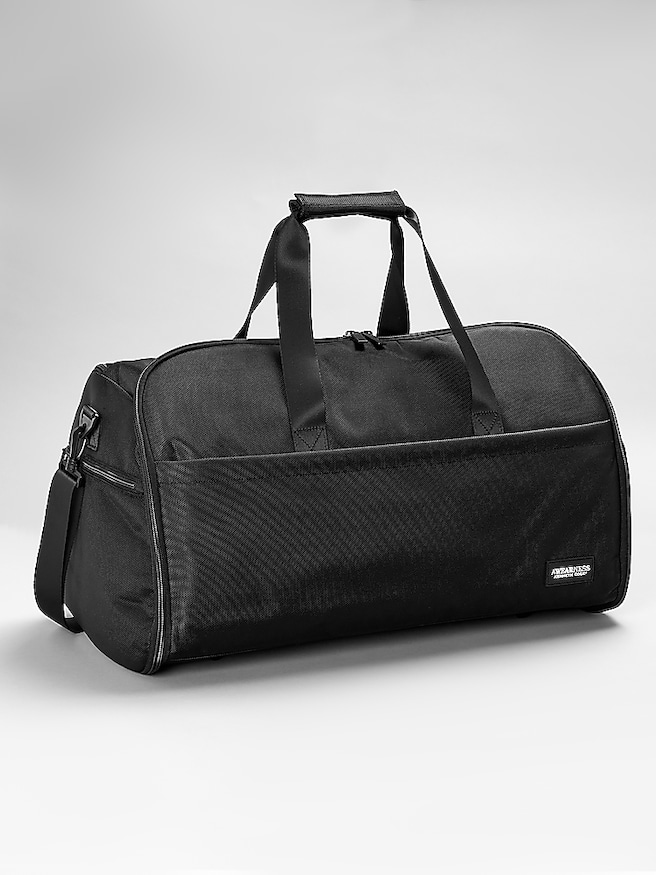
Leather messenger bags for men bring together the organization of a work bag and the hands-free convenience of a shoulder strap, making them a practical choice for commuting, business travel, and everyday errands. For dependable daily use, full-grain or well-made top-grain leather, reinforced strap attachments, sound stitching, and reliable closures are meaningful signs of quality. Full-grain leather retains the hide’s natural surface, including subtle variations in grain and markings, and can develop a distinctive patina through regular handling. Top-grain leather has typically been sanded or otherwise refined for a more consistent appearance; its durability depends on the hide, finish, and overall construction. Neither label tells the whole story. A substantial leather panel needs equally dependable seams and attachment points, especially where the strap supports the weight of a computer and other belongings. Even stitching, neatly finished edges, and hardware that operates smoothly contribute to a bag that feels considered rather than merely decorative. The leather’s finish also shapes its character. A smooth, structured surface reads more formal alongside tailored trousers and a sport coat, while a softer, textured finish feels relaxed with chinos, denim, and an unstructured jacket. Black creates a clean, understated impression, and brown tones can bring depth to outfits built around navy, gray, olive, or cream. Matching every leather accessory precisely is not necessary, though a similar level of formality helps a bag sit comfortably with shoes and a belt. A streamlined messenger can move from a train platform to a conference room without looking out of place, while a more relaxed shape suits creative workplaces and days spent moving between appointments. The strongest choice is not simply the thickest leather or the most elaborate hardware, but a balanced combination of material, construction, useful capacity, and a silhouette that suits the way it will be carried.
Capacity matters most when it reflects an actual day rather than an imagined need to carry everything. A compact leather messenger bag can keep a tablet, notebook, phone, and keys together without adding unnecessary bulk. A larger format may better accommodate a laptop, documents, charging equipment, and a few personal essentials, provided the interior supports those belongings without becoming overfilled. Laptop screen size alone does not establish fit: the computer’s full width, depth, and thickness need to work with the usable dimensions of the compartment. A padded sleeve helps cushion everyday contact, while a secure closure keeps the device from shifting as the bag is lifted or set down. Documents benefit from a compartment tall and wide enough to hold them flat, especially for anyone carrying presentation notes or paperwork between offices. Interior pockets are most useful when they give small necessities a consistent place. A key clip, a separate space for charging cables, or an accessible phone pocket can prevent a hurried search at a reception desk. Exterior pockets offer convenience, although secure storage is preferable for valuables in crowded spaces. The carrying system deserves just as much attention as the interior. An adjustable strap allows the bag to rest close to the body without hanging awkwardly low, and a wider strap or shoulder pad can spread pressure more comfortably. Crossbody wear helps keep both hands free, but a heavily loaded bag still places weight on one shoulder; carrying only the essentials and changing sides can make everyday use more comfortable. A top handle, when included, offers another way to carry the bag through a meeting room or place it neatly beside a desk. Buckles, zippers, and magnetic closures each create a different experience, so ease of access should be balanced with how securely the contents need to stay enclosed. Together, these details determine whether a messenger feels natural during a commute or cumbersome before the first appointment begins.
Leather responds best to consistent, modest care rather than occasional aggressive cleaning. Dust and surface debris can usually be removed with a soft, dry cloth, while deeper cleaning should follow the maker’s instructions for the particular leather and finish. Smooth finished leather, suede, and nubuck do not all tolerate the same treatments. A conditioner intended for compatible leather may help maintain suppleness, but excessive application can leave residue or alter the surface. Any cleaner or conditioner should be tested on an inconspicuous area before broader use. Spills are best blotted promptly rather than rubbed, and a damp bag should dry naturally away from direct heat. Storage also affects how a messenger holds its shape: emptying heavy contents, lightly supporting the interior, and keeping the bag in a breathable dust cover can help prevent avoidable distortion and surface damage. Overloading puts strain on seams, closures, and strap anchors, even when the leather itself remains sound. Minor scuffs and gradual changes in color can become part of a well-used bag’s character, whereas peeling finishes, loose stitching, or stressed hardware call for attention rather than being treated as patina. Within the broader category of Men's Leather Bags, messenger styles offer a useful middle ground between the formality of a briefcase and the relaxed feel of a backpack. That versatility also makes them thoughtful gifts for a graduation, a new job, a career milestone, or a birthday. The most personal choice reflects the recipient’s routine: a slim profile for someone who travels light, room for paperwork for someone who moves between meetings, or a comfortable strap for a regular transit rider. A restrained design with practical organization can remain useful as workplaces and wardrobes change. With appropriate care and a manageable daily load, a well-constructed leather messenger bag can become a familiar companion, gaining character while keeping the day’s essentials close at hand.