Leather gifts bring together everyday usefulness, distinctive texture, and the kind of character that develops through regular use. Leather accessories can suit birthdays, graduations, career milestones, and anniversaries, including the third wedding anniversary, traditionally associated with leather. Their appeal often comes from how naturally they become part of a routine: a slim accessory slipping into a jacket pocket, a neatly finished belt completing a work outfit, or a sturdy bag accompanying its owner from the morning commute to an overnight trip. A meaningful gift reflects those habits rather than simply looking impressive when unwrapped. Someone who carries only a few essentials may appreciate a streamlined shape, while someone who moves between meetings, errands, and travel may value more capacity and thoughtful organization. The material itself makes a noticeable difference. Full-grain leather retains the hide’s original grain surface and may display natural markings, while top-grain leather has been sanded or otherwise refined to create a more uniform appearance. Both can be durable, depending on the hide, thickness, finish, and construction. Suede has a soft, napped surface with a more relaxed appearance, though it generally needs greater protection from moisture and staining. The term “genuine leather” identifies real leather but does not, by itself, establish a particular quality grade. Smooth finishes tend to look polished, while pebbled textures can make minor surface marks less noticeable. Black often works well with dark footwear and tailored clothing; brown shades bring warmth and pair easily with navy, gray, denim, and earth tones. Over time, some leathers develop a patina—a gradual change in color and sheen from handling and use. That evolution can make a practical gift feel increasingly personal, although heavily coated finishes may change less visibly. For someone who prefers a consistently uniform appearance, the finish can matter just as much as the initial color.
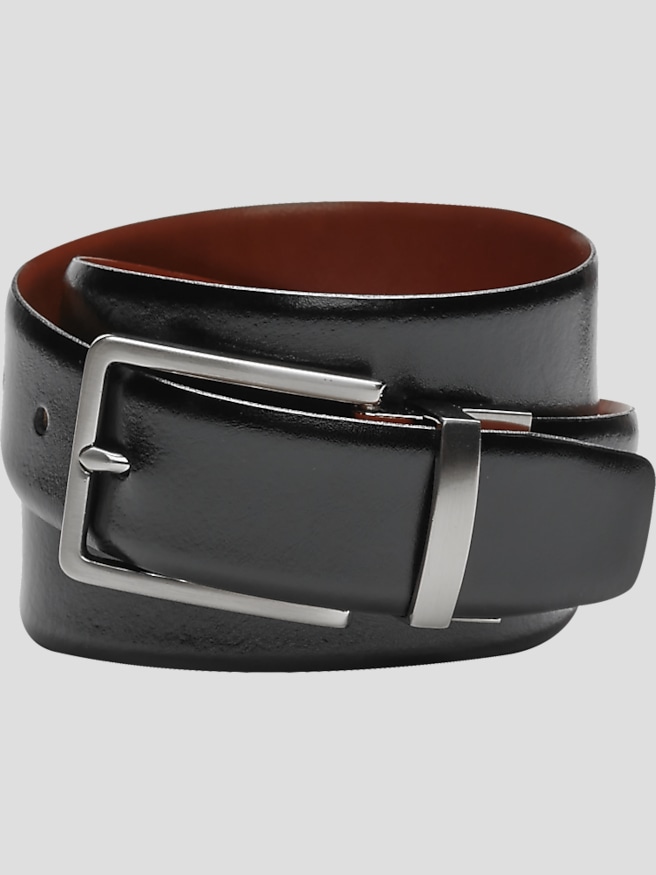
The best leather gifts feel comfortable in use, with proportions and construction suited to the person receiving them. A pocket accessory should hold its intended contents without becoming bulky or forcing seams outward. Card compartments need enough structure to keep their contents secure, but an overfilled interior can stretch leather and put unnecessary stress on stitching. For bags, useful capacity is about more than exterior dimensions: the opening, interior layout, handle shape, and strap adjustment all affect how easily belongings move in and out. A wide opening can make packing less awkward, while a stable base helps a bag sit neatly beside a desk or chair. Reinforcement at handles and strap attachments matters because those areas carry repeated strain. Even stitching, secure hardware, smoothly finished edges, and linings that lie flat are practical signs of careful construction, though no single detail guarantees long-term performance. Hardware should operate smoothly without snagging, and closures should match the demands of regular use. Fit deserves similar attention when a leather accessory is worn. Belt sizing is not always identical to pants sizing, so the maker’s measurements and a well-fitting belt provide a more reliable reference than a guessed number. Measuring from the buckle’s attachment point to the hole used most often can help establish a useful comparison, provided the sizing method matches the manufacturer’s instructions. Width also changes the effect: narrower, understated belts generally complement tailored clothing, while wider shapes often feel more at home with casual outfits. A buckle that passes comfortably through the intended belt loops is another small but important detail. When the recipient regularly wears dress shoes, coordinating the general leather color and level of polish creates a cohesive look without requiring every texture to match exactly. These considerations help distinguish an accessory that merely looks appealing from one that earns a lasting place in someone’s wardrobe.
Travel adds another dimension to leather gifting because familiar accessories can make unfamiliar places feel more organized. For someone who regularly packs for business trips, weekend visits, or milestone celebrations, Leather Travel Accessories For Men connects the same appreciation for material and craftsmanship with life beyond the daily commute. Travel-focused leather accessories benefit from manageable weight, accessible compartments, and closures that keep contents contained while moving through a busy terminal or settling into a hotel room. Leather itself contributes weight, so a substantial feel should be balanced against how the accessory will be carried. Smooth interior surfaces, protective linings, and separation between belongings can be especially useful when packing objects that might scratch or spill. Care helps preserve that usefulness after the trip ends. Most finished leather benefits from gentle dusting with a soft cloth and prompt attention to spills, following the manufacturer’s care directions. A lightly damp cloth may be appropriate for some surfaces, but soaking, harsh household cleaners, and excessive scrubbing can damage the finish. Conditioning is not universal: suitable treatments depend on the leather and coating, and any recommended product should first be tested in an inconspicuous area. Suede typically calls for a dedicated brush and material-specific treatment rather than cream conditioner. Leather that becomes wet should dry naturally away from direct heat, which can encourage stiffness or cracking. Storage matters as well. A breathable dust cover, space away from prolonged direct sunlight, and light support inside a bag can help maintain its appearance and shape. Leather is durable, not indestructible; scratches, stretched pockets, and worn edges reflect both construction and handling. With sensible care and a shape that fits the recipient’s routine, a leather gift can remain useful long after the occasion, becoming familiar through the ordinary moments that give a well-used accessory its character.