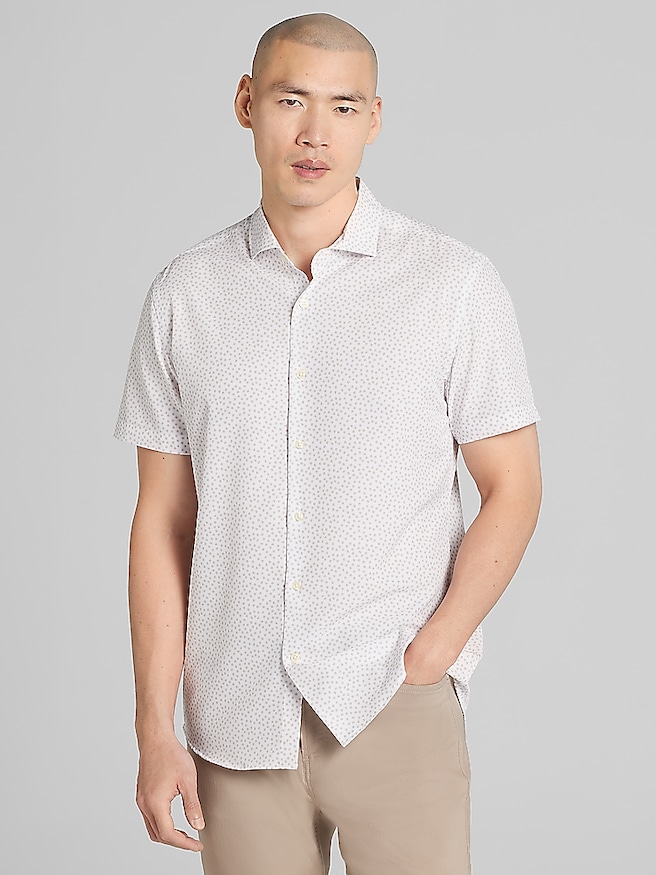
Large slim-fit T-shirts combine the room associated with a large size with a closer cut through the torso than a comparable regular-fit tee. The result is a cleaner outline with less loose fabric around the waist, rather than a shirt that needs to feel tight. Size and fit describe different things: large refers to a sizing range, while slim fit describes the shape of the garment. A large slim-fit T-shirt can suit someone with broad shoulders and a narrower waist, or someone who simply prefers less fabric gathering beneath an open shirt. It is not automatically longer than a standard large. Tall sizing addresses body and sleeve length, so a long torso may call for a tall slim fit rather than a larger standard size. Exact proportions vary by maker, making chest measurements, garment length, and the relevant size chart more useful than the letter on the label alone. A comfortable fit leaves enough room to reach across a desk, lift an arm, or sit without the fabric pulling sharply across the chest. On a traditional set-in sleeve, the shoulder seam generally sits near the shoulder edge, while the sleeve follows the upper arm without digging in. The body should skim rather than cling, with a hem that provides comfortable coverage when moving. Someone who wears a tee untucked may prefer a length that falls neatly over the waistband without extending so far that it bunches at the hips. A tucked tee needs enough length to stay in place through ordinary movement. Neckline shape also changes the impression: a crewneck gives the upper body a simple, defined frame, while a V-neck creates a more open line. Neither neckline changes the underlying size requirements. Balanced shoulder placement, comfortable chest room, and a smooth drape through the middle do more for the finished look than choosing a smaller size to force a closer silhouette.
Fabric gives large slim-fit tees much of their character, affecting how they hang, feel, and hold their shape through repeated wear. Cotton jersey typically has a soft hand and a flexible knit structure that works well for everyday dressing. A lighter jersey can sit smoothly beneath another shirt, although opacity depends on the fabric’s construction and color as well as its weight. A more substantial jersey often creates a firmer outline and can feel more structured when worn on its own. Cotton blended with polyester may offer a balance of softness, shape retention, and easier drying, depending on the proportions and construction. Blends containing elastane or spandex add stretch, which can make a closer cut more comfortable across the shoulders and chest. Stretch does not replace adequate room; fabric that remains visibly strained across the torso usually signals a fit issue rather than a benefit of the material. Smooth stitching, an even hem, and a neckline that lies flat contribute to a neat appearance. Reinforcement at the shoulders and a well-constructed neckband can also help a tee maintain its intended shape. Durability depends on the fabric, construction, frequency of wear, and laundering habits together, not on fiber content alone. Care instructions on the garment remain the best reference because shrinkage, drying requirements, and finishing treatments vary. Washing with similar colors, avoiding an overloaded machine, and using the recommended cycle help limit unnecessary wear. Turning a tee inside out can reduce surface abrasion, while avoiding excessive dryer heat may help protect its dimensions and any stretch fibers. When the label permits, reshaping the shirt before air-drying can help preserve a straight hem and an even neckline. Folding a fully dry tee neatly also avoids the shoulder bumps that an unsuitable hanger can leave behind. Those small habits matter most with a slim silhouette, where a twisted seam or stretched collar is more noticeable.
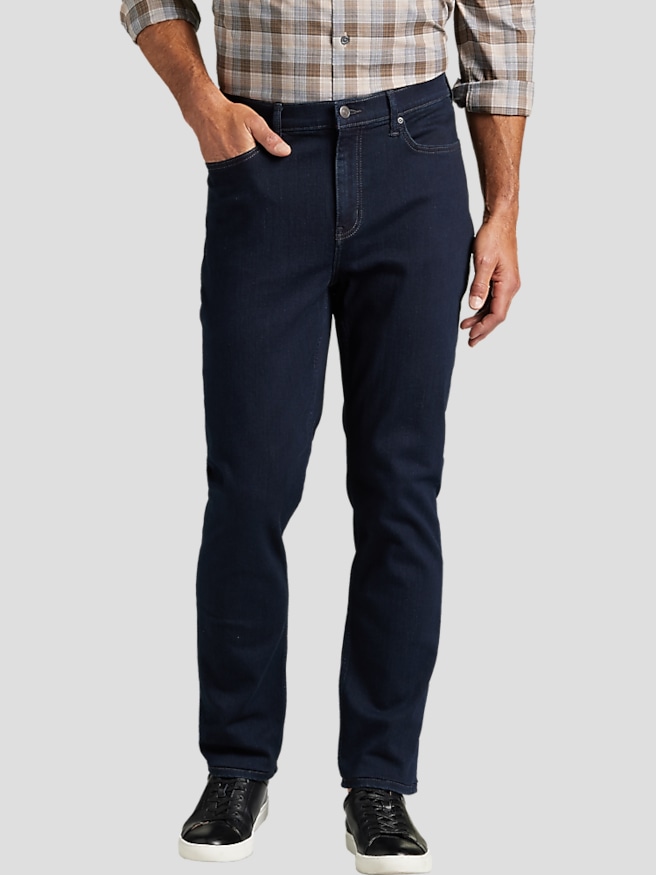
The appeal of large slim-fit T-shirts is their ability to make everyday outfits look intentional without adding much complexity. With straight-leg jeans, a close but comfortable tee provides definition up top without making the entire outfit feel narrow. With tapered chinos, it creates a more streamlined line that works for errands, casual dinners, or a relaxed gathering with friends. A plain tee beneath an unbuttoned overshirt keeps the layers from looking bulky, especially around the waist and under the arms. Under a casual jacket, a smooth neckline and an even hem help the outfit look considered rather than hastily assembled. A T-shirt can also work with an unstructured blazer in settings where the dress expectations allow it, though it is not a substitute for a dress shirt at an occasion that calls for one. For understated combinations, Black Slim Fit Tees pair naturally with charcoal trousers, dark denim, or lighter neutral chinos. Solid colors keep attention on proportion and texture, while a subtle heathered finish can give a simple outfit a more relaxed character. The intended use helps determine the most comfortable balance of length, fabric weight, and stretch. Someone seated through much of the day may appreciate a hem that does not bunch at the lap, while someone frequently reaching or bending may value added coverage and easy movement. Everyday tees should still allow the wearer to move naturally rather than demand constant adjustment at the sleeves or waistband. For gifting, a large slim-fit tee makes the most sense when the recipient’s usual size and preference for a closer cut are already known. Matching the measurements and feel of a favorite tee is more reliable than assuming that everyone who wears large wants the same shape. Whether worn alone or as a base layer, the strongest choice brings together comfortable room, a tidy neckline, dependable fabric, and proportions that feel right from the first wear through the rest of the day.