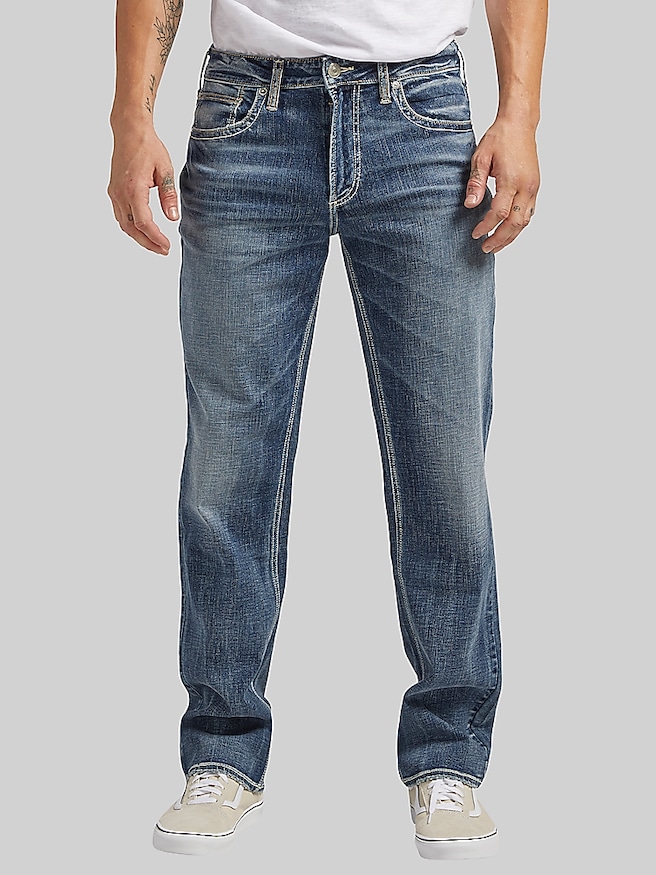
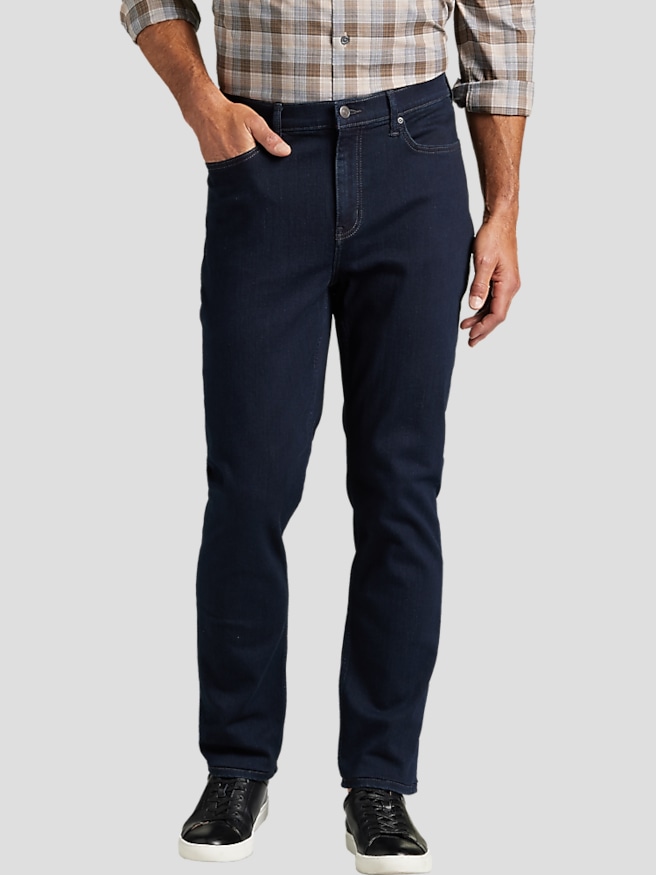
Jeans for all occasions bring together the comfort of familiar denim and the versatility to move from a relaxed morning to a more polished evening. A classic straight leg or a neatly proportioned slim fit in dark indigo or black is often the most adaptable choice, with a clean silhouette that complements everything from a cotton T-shirt to an unstructured sport coat. Straight-leg jeans maintain a consistent line below the knee, offering room without an overly loose appearance. Slim fits sit closer through the thigh and leg, creating a narrower profile that works well with streamlined sneakers, loafers, and lace-up shoes. Neither needs to feel restrictive to look put together. The most useful fit allows comfortable movement when sitting at a desk, stepping into a car, or walking several blocks to dinner. Wash and finish help set the tone: deep, even color and minimal distressing tend to look more polished, while faded blue denim, visible whiskering, and worn-in details have a distinctly casual character. A dark pair can anchor a dinner outfit with a textured sweater and leather boots, then feel just as natural with a flannel shirt at a weekend gathering. Medium and light washes bring a softer contrast to darker outerwear and suit easygoing afternoons, casual lunches, and time spent outdoors in mild conditions. Jeans belong in many settings, but not every dress code; formal celebrations, black-tie events, and workplaces requiring tailored trousers call for another choice. Their strength is everyday versatility rather than replacing occasion-specific clothing. For men building a smaller, more coordinated wardrobe, a clean dark wash and a comfortable casual wash cover a broad range of routines without requiring a completely separate outfit for each plan. Subtle stitching and understated pocket details make denim easier to combine with existing shirts, jackets, and footwear, allowing the rest of an outfit to establish how relaxed or refined it feels.
Fabric and construction shape how jeans feel throughout the day and how they settle in over time. Cotton gives denim its familiar texture and sturdy character, while the diagonal twill weave contributes to its recognizable surface. All-cotton denim often feels firmer at first and gradually softens with wear, developing creases and fading that reflect regular use. Stretch blends add flexibility, which can be especially welcome during a long commute, an afternoon of errands, or a meal that stretches into an evening of conversation. Denim containing a small amount of elastane or spandex, often around 1% to 2%, can provide ease of movement while keeping a structured appearance, although performance also depends on the weave, fabric weight, and overall blend. More stretch does not automatically mean a better fit, and jeans should feel comfortable without relying on the fabric to pull tightly across the hips or thighs. A waistband that stays in place without digging in, pockets that lie reasonably flat, and enough room through the seat all contribute to a balanced shape. Rise matters, too: a mid-rise cut often sits comfortably near the natural waist area, while other rises change where the waistband rests and how a tucked shirt looks. Tapered legs narrow toward the ankle, relaxed fits offer additional room, and straight cuts provide a middle ground that accommodates many builds. Inseam length affects the finish as much as leg shape. A slight break above the shoe creates a traditional look, while excessive bunching can make even dark denim appear less tidy. Heavier denim can feel substantial during cooler months, though weight alone does not determine warmth or durability. Lighter fabrics may feel easier indoors or during active days. Even seams, securely attached buttons, smooth zipper operation, and reinforced stress points are practical construction details, particularly for jeans worn several times a week. Thoughtful proportions and reliable construction matter more to everyday usefulness than a dramatic wash or an unusually close fit.
The appeal of versatile denim becomes clear in the small transitions of an ordinary day. At a workplace where denim is permitted, dark jeans with a button-down shirt, a leather belt, and clean shoes offer a composed alternative to a purely casual outfit. The styles grouped under Jeans For Office Wear suit that smart-casual direction, with the workplace dress code remaining the deciding factor. For dinner afterward, a soft-shouldered jacket or fine-gauge knit can shift the same silhouette toward evening without making it feel overdone. On days away from the office, denim pairs naturally with henleys, overshirts, and sturdy boots, especially when cooler weather makes layering useful. A little room through the leg helps fabric fall neatly over footwear, while a narrower hem works well with low-profile shoes. Travelers may appreciate stretch and a comfortable waistband for extended sitting, and anyone spending a day on foot benefits from a fit that does not bind at the knee. Jeans can also make a practical gift for a partner, father, brother, or friend when the recipient’s waist size, inseam, and preferred cut are known; matching an established fit is usually more thoughtful than guessing at a new silhouette. Care helps preserve that familiar fit and finish. The garment’s care label takes priority, but washing inside out in cold water with similar colors often helps limit fading and protects the outer surface from abrasion. Dark denim may transfer dye, especially when new, so contact with pale upholstery, light shoes, or other light fabrics deserves care. High dryer heat can contribute to shrinkage and affect stretch fibers; air drying or a permitted low-heat setting is generally gentler. Prompt attention to stains, repairs to loose stitching, and washing as needed all support longer wear. With suitable care, denim can develop character while remaining a dependable part of a wardrobe, equally at home beside a crisp shirt, a favorite sweater, or the jacket waiting by the door.