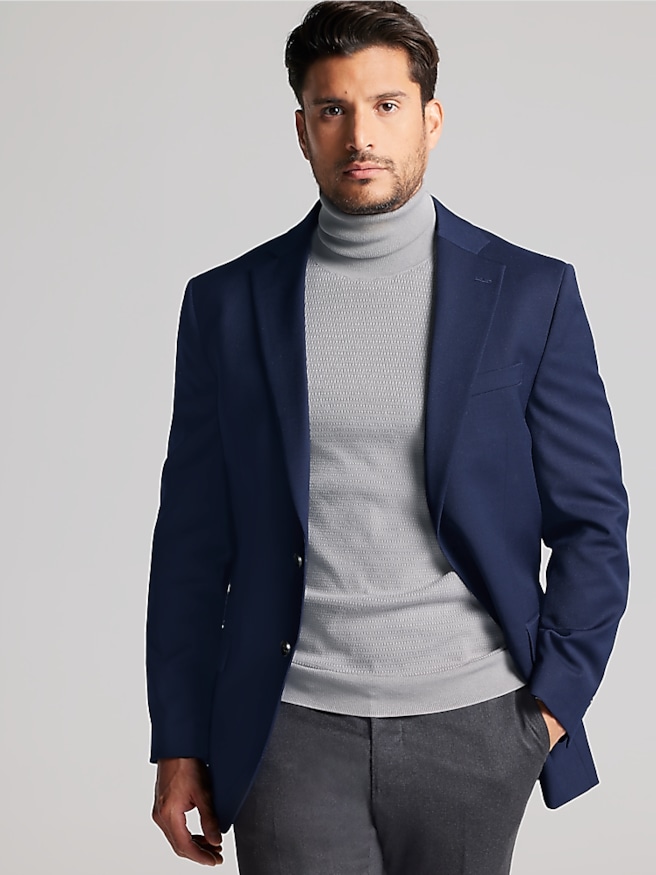
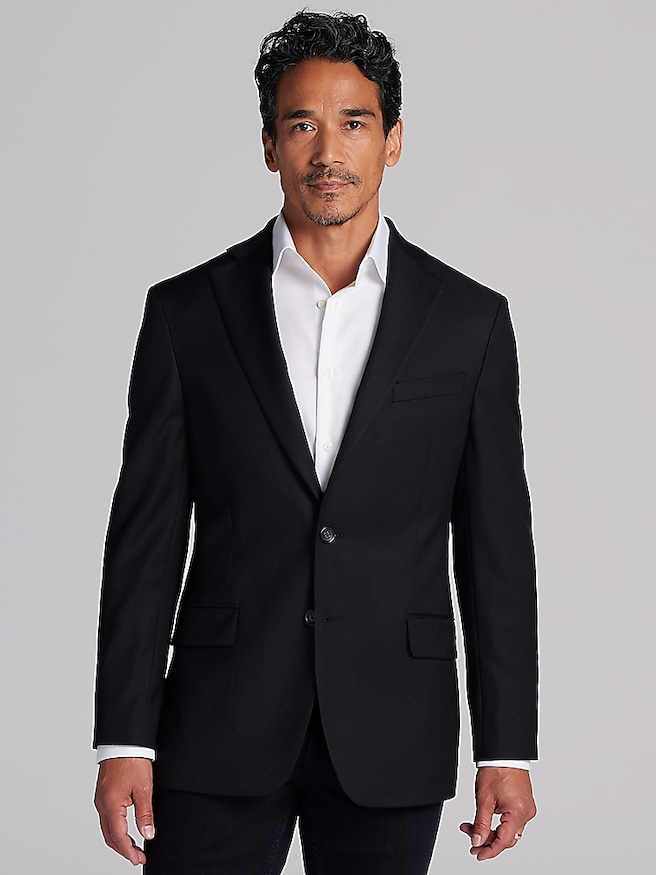
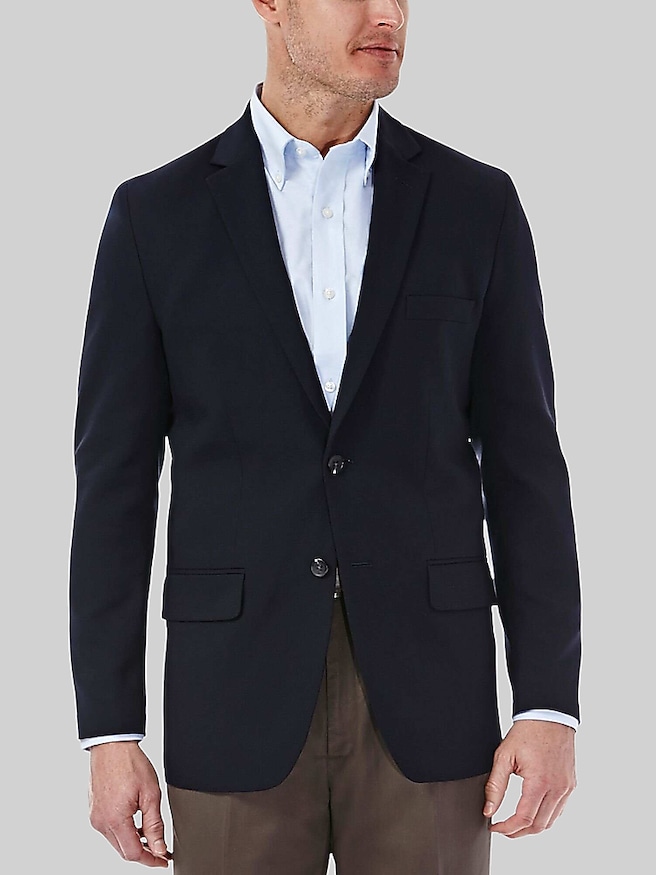
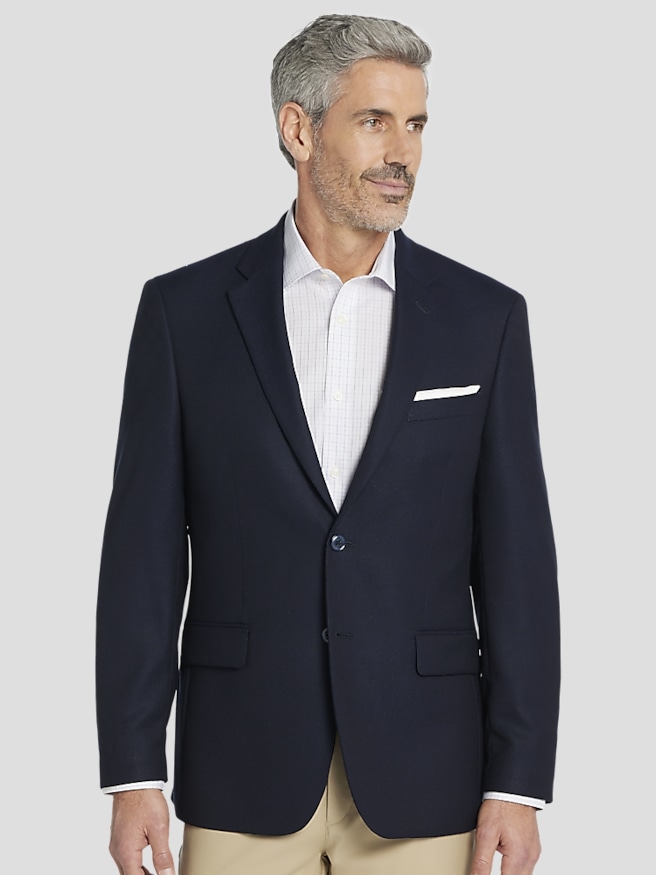
Jackets for spring and summer provide a light layer against a breezy commute, an air-conditioned office, or the cooler air that settles over an outdoor dinner. The most useful designs balance coverage with breathability, adding comfort without the bulk of a heavily insulated coat. Fabric, lining, and construction matter as much as overall weight: a thin jacket with a dense shell and full lining can feel warmer than a slightly heavier style with a more open weave. Cotton offers a familiar, comfortable feel and works well for casual jackets with a little structure. Cotton twill has a smooth, substantial surface, while lighter cotton weaves can feel less restrictive over a short-sleeve shirt. Linen and linen blends bring an airy texture to more relaxed tailoring, with natural creasing that suits an easygoing outfit. Nylon and polyester shells can provide lightweight coverage and dry relatively quickly, although comfort depends on the weave, finish, lining, and ventilation. Water-resistant fabric is useful for a brief shower, but it should not be confused with waterproof construction designed for sustained rain. Likewise, a wind-resistant shell can help on an exposed walkway without necessarily providing much warmth on its own. Unlined and partially lined jackets reduce extra layers of fabric, while mesh panels or discreet vents may help release heat. A lightweight bomber creates a neat, casual silhouette; a field-inspired jacket adds practical pockets; and a softly constructed blazer gives a collared shirt a more finished look. Denim brings familiar texture and durability, though lighter weights are generally more comfortable for warm-weather layering than rigid, heavy denim. These distinctions make spring and summer jackets useful across everyday settings, from a train ride into the office to a weekend lunch near the water. The right balance comes from matching the fabric and construction to the setting rather than assuming every lightweight jacket will feel or perform the same way.
For everyday layering, Mens Lightweight Spring Jackets offer a practical balance of coverage and ease, especially when a heavier coat would feel excessive. Fit determines whether that light layer stays comfortable through a full day. Shoulder seams should sit close to the natural shoulder on a traditionally cut jacket, while intentionally relaxed shapes may extend slightly beyond it. Across the upper back and chest, enough room for reaching, sitting, and lifting a bag makes a noticeable difference. A jacket that looks clean while standing can still pull across the shoulder blades when the arms move forward. Trying it over the kind of shirt it will usually accompany gives a more useful sense of fit than judging it over an unusually thick layer. Sleeve length also depends on the design: casual cuffs generally finish around the wrist, while a tailored jacket may allow a small amount of shirt cuff to show. Shorter bomber and trucker shapes pair naturally with chinos or jeans because they keep the proportions compact. Longer utility silhouettes provide more coverage and work well with straight-leg pants, especially when the shirt underneath has a simple hem. For a business-casual office, a smooth, minimally detailed jacket can sit comfortably over a polo or lightweight button-down without looking overly sporty. For a patio dinner or an informal celebration, a textured jacket over a knit shirt adds definition without requiring a tie. Navy, gray, olive, tan, and other understated colors are easy to repeat across an everyday wardrobe, while a lighter shade can create a softer contrast with dark pants. Details influence use as much as appearance. Secure pockets help keep small essentials contained during travel, adjustable cuffs offer flexibility, and a collar that lies comfortably against the neck makes a zipped or buttoned jacket easier to wear. A packable design can be convenient for a day bag, but folding size should be weighed against wrinkle resistance and the structure needed for the occasion.
Durability in a spring or summer jacket comes from more than a thick fabric. Even stitching, neatly finished seams, secure buttons, and a zipper that moves smoothly all contribute to reliable everyday wear. Pocket openings, cuffs, and the areas around closures receive repeated stress, so reinforcement in those places can be useful for a jacket worn on commutes or frequent trips. Stretch can improve comfort when driving or moving through a busy day, but the fabric should also recover its shape rather than remain stretched at the elbows. Care requirements deserve equal attention because a lightweight jacket may be worn over many short outings between cleanings. Cotton and some synthetic fabrics may allow machine washing, while tailored construction, suede, or certain blends can call for professional care; the garment’s care label should determine the method. Following the recommended water temperature and drying method helps protect the fabric, lining, and overall shape. For washable shells, fabric softener can interfere with some performance finishes, so checking the label before adding laundry products is worthwhile. Small marks are often easier to address promptly with an appropriate spot-cleaning method than after they have settled into the fabric. Between wears, allowing a jacket to air out and dry fully before storing it helps keep it fresh. A supportive hanger suits structured shoulders, while unnecessary time compressed in a bag can leave persistent creases. Lightweight layers also make thoughtful gifts for someone starting a new job, preparing for a trip, or building a more versatile casual wardrobe. A familiar color, a comfortable fit, and care needs that suit the recipient’s routine are usually more useful than complicated details. Intended use provides the clearest direction: easy movement for daily errands, a polished outline for office days, or light protection for an evening outdoors. With those needs in mind, a spring and summer jacket becomes a dependable finishing layer rather than something carried along and rarely worn.