Jackets for golf should allow a full swing, sit comfortably over a polo, and keep pockets and closures from interfering with play. Unlike outerwear designed mainly for everyday wear, a golf jacket needs to accommodate rotation through the shoulders, extension through the arms, and repeated bending at the waist. That difference becomes clear at address: the fabric should settle across the back without pulling tight, while the front should stay out of the way of the hands and club. A close but unrestricted fit helps keep excess material from gathering at the elbows or bunching beneath the chin. Stretch woven fabrics, articulated sleeves, and thoughtfully placed panels can support that balance, although the overall cut matters as much as any single feature. Polyester and nylon are common choices because they can combine low weight with practical durability; elastane adds stretch, while the weave and fabric weight influence how structured or flexible the jacket feels. A smooth lining can make it easier to slide the sleeves over another layer, and a soft collar facing helps reduce friction against the neck. For someone walking eighteen holes, low bulk and moisture management may matter more than a substantial, heavily structured feel. For someone splitting time between the course, the practice range, and casual outings, a streamlined silhouette can make the same jacket useful beyond the fairway. Fit is worth checking in motion rather than only in front of a mirror. Bringing both hands together in a golf grip, turning through a controlled backswing, and reaching down as though placing a tee can reveal tight shoulders, restrictive armholes, or a hem that rides up. Sleeves should reach the wrists without falling over the hands, and cuffs should feel secure without pressing into a glove. Enough room for the intended base layer is essential, but sizing up is not always the answer to restricted movement; a more accommodating sleeve or shoulder construction may provide a better result.
The construction of a golf jacket helps distinguish its intended use, especially when comparing lightweight shells, stretch layers, and hybrid designs. An unlined shell generally takes up less space in a golf bag, while a lined style may offer a smoother feel over a shirt. Hybrid construction combines materials in separate areas, such as a more substantial front panel with flexible sleeves or side panels, to balance coverage and mobility. Water-resistant and waterproof are not interchangeable descriptions. Water-resistant fabric can limit moisture penetration, but it does not provide the same level of protection as a waterproof construction with sealed seams and suitable closures. A water-repellent surface treatment encourages droplets to bead; it is not, by itself, proof that the entire garment is waterproof. Breathability is a separate consideration, describing how readily moisture vapor can move through the material. Golf involves stretches of walking followed by pauses, so a jacket that manages moisture effectively can feel more comfortable throughout a round. Mesh-lined sections, vents, and an adjustable front opening may help manage comfort, depending on the design. A full-length zipper makes a jacket easy to remove without pulling it over the head, while a zipper guard at the top can prevent the closure from rubbing the chin. Quiet fabric is another useful detail: a soft, supple shell is less distracting during the takeaway than material that crackles with every movement. Pocket placement deserves equal attention. Zippered hand pockets help secure small essentials, but bulky contents near the waist can interrupt the swing or press against the body when bending. A separate chest or interior pocket may be useful for a scorecard, provided its size and placement suit the wearer. Adjustable hems and cuffs can refine the fit, while flatter hardware reduces unnecessary bulk. The most practical combination is not necessarily the one with the most features; it is the one that supports the way the jacket will actually be worn.
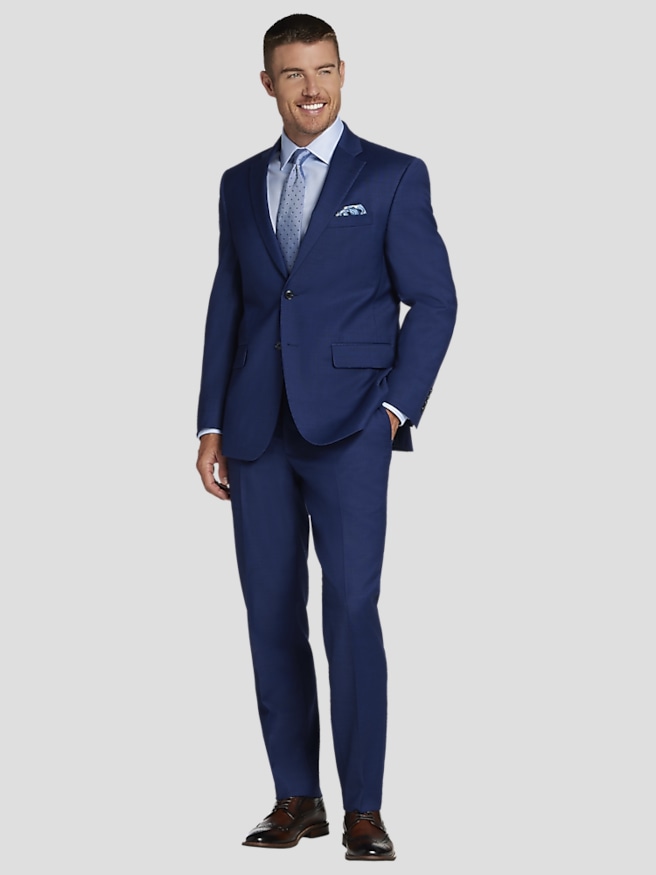
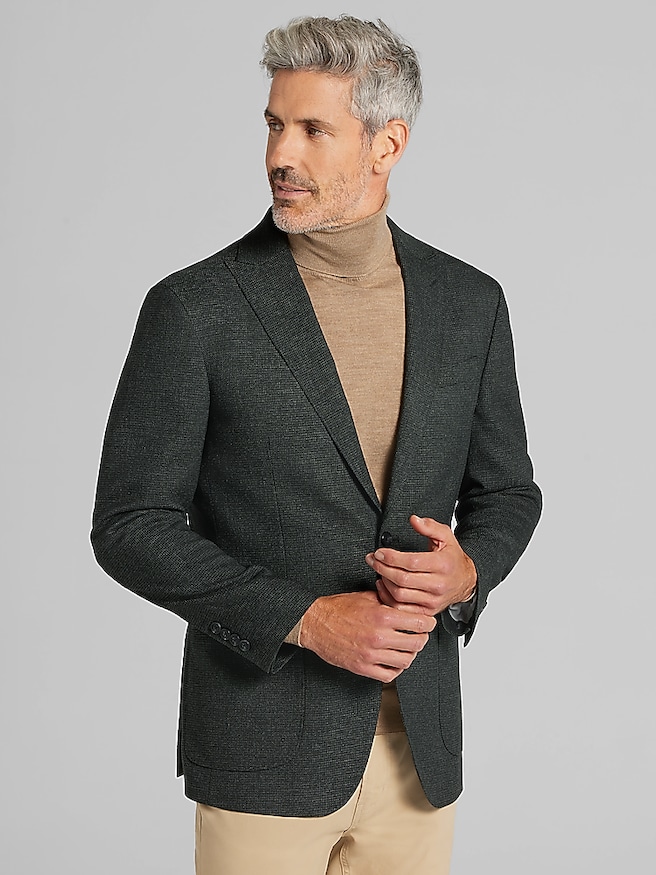
A golf jacket also needs to work with the rest of an outfit without making movement or upkeep complicated. Smooth, low-profile layers tend to sit neatly over polos and lightweight pullovers, while a little extra room through the upper arms can accommodate a long-sleeve shirt. Straight or gently shaped hems pair easily with golf pants, and restrained colors such as navy, gray, and black offer flexibility across a range of shirts and trousers. More expressive colors can add character without requiring a complicated outfit; repeating one shade elsewhere creates a coordinated look. For complementary layers and course-ready clothing, Golf Apparel For Men provides a related starting point. Course and clubhouse dress expectations vary, so collar shape, overall neatness, and compatibility with the rest of the outfit are useful considerations alongside technical construction. Durability depends on both materials and finishing. Even stitching, cleanly finished seams, securely attached pocket edges, and a zipper that moves smoothly are worth attention, particularly for frequent players who repeatedly pack, unpack, and wear the same layer. Care should follow the garment label, since stretch fabrics, surface treatments, linings, and bonded details can require distinct handling. Some technical jackets call for mild detergent and no fabric softener, while others have specific drying instructions that help maintain their finish. Avoid assuming that high heat, ironing, or dry cleaning is appropriate. Emptying pockets, closing fasteners as directed, and letting the jacket dry fully before storing it can help prevent avoidable wear and lingering odors. A tightly packed golf bag is convenient during a round, but it is not an ideal place for long-term storage. As a gift for a golfer, a jacket is most useful when it reflects established preferences: a familiar fit, comfortable fabric, practical pockets, and a color that works with favorite course outfits. Those details matter whether the recipient is learning at the driving range, playing regular rounds with friends, or joining an occasional business outing.