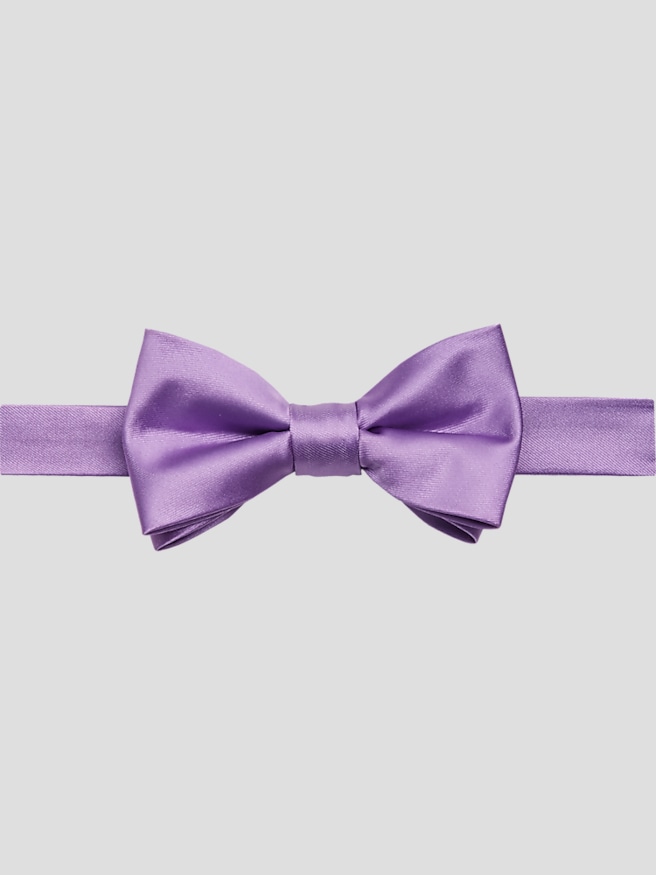
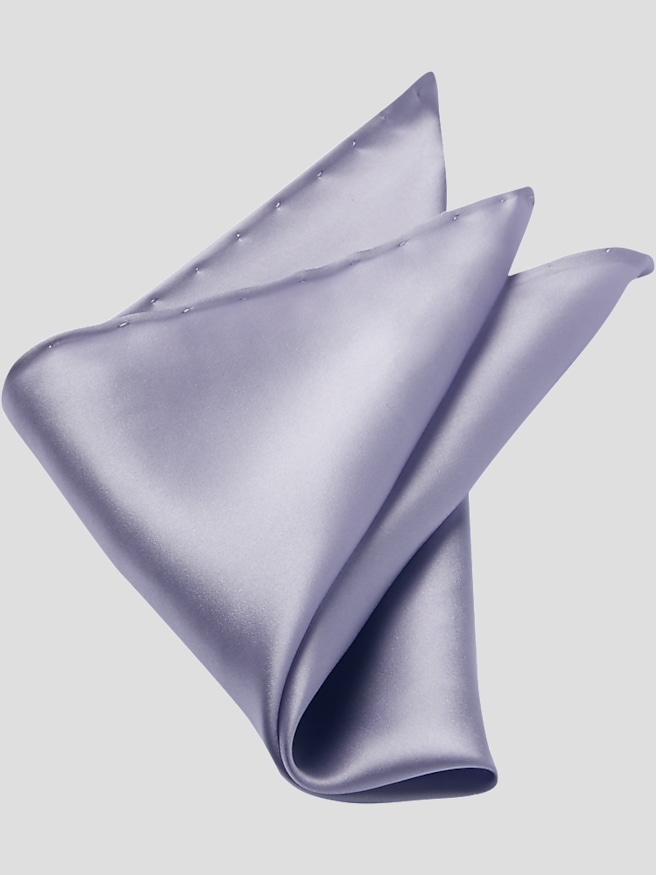
A purple wedding theme brings a distinctive color story to wedding attire, from the quiet elegance of lavender and lilac to the depth of plum, violet, and eggplant. Those shades create very different impressions: pale purple feels understated against crisp white, while deeper purple adds richness to charcoal, navy, or black tailoring. For wedding clothing and accessories, the most cohesive combinations usually give purple a clear role rather than repeating it across every surface. A neutral suit with a purple accent can connect the wearer to the celebration without competing with the setting, floral arrangements, or the couple’s attire. Lavender with light gray creates a soft, polished palette; plum with charcoal has a more pronounced contrast; and eggplant with black offers a restrained approach to dramatic color. Gold-toned details can emphasize purple’s richness, while silver-toned details create a cooler, cleaner finish. The shade matters as much as the amount of color. A dusty lilac has a muted quality that differs noticeably from a bright violet, even when both appear beside the same white shirt. Across a wedding party, choosing a shared undertone can look more intentional than trying to make every accessory identical. A groom might wear a deeper purple accent while attendants carry a lighter variation, keeping the group connected while giving the central outfit its own identity. Guests can echo the palette more subtly, provided their clothing follows the invitation’s dress code and does not imitate attire reserved for the wedding party. Purple wedding accessories can also make thoughtful gifts for attendants when they are selected with the ceremony outfit in mind and have a place in a formal wardrobe afterward. The appeal is both visual and personal: a small piece of the wedding’s color story can remain useful for future celebrations, anniversary dinners, and other dressed-up occasions.
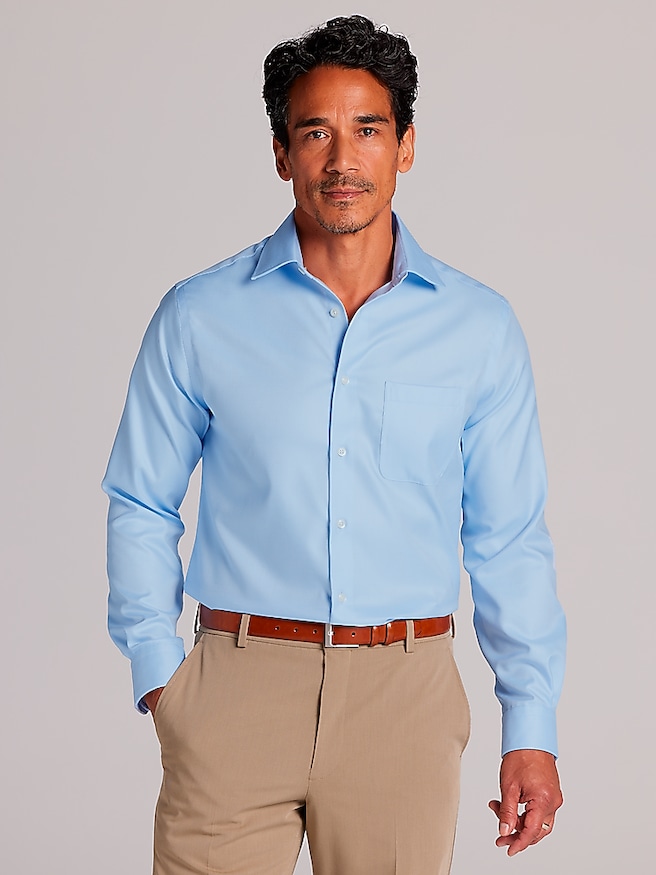
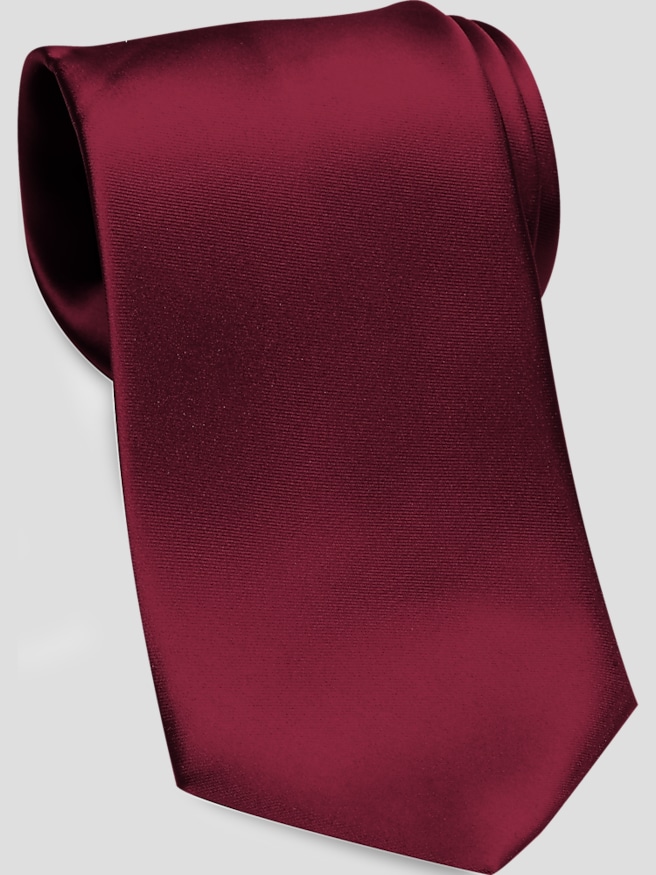
Fabric and finish give purple wedding attire much of its character. Silk often brings a subtle luster and fluid drape, while a more textured weave can make the same shade appear quieter and less reflective. Satin describes a weave rather than a particular fiber, so checking fiber content helps clarify how an accessory may feel and how it should be cared for. Smooth, lustrous purple fabric draws attention under reception lighting; a matte finish tends to let the color speak without as much shine. That distinction is especially useful when several people are standing together for photographs. Coordinated shades do not always look coordinated if one surface reflects light strongly and another absorbs it. Small woven patterns can bridge that difference, introducing purple alongside a neutral color instead of presenting it as a solid block. A fine geometric motif, discreet stripe, or subtle floral pattern can add dimension without overwhelming the rest of the outfit. Proportion is equally important. The width of neckwear should feel balanced with the jacket’s lapels, and a pocket accent should complement the neckwear rather than reproduce it exactly. A white base with a restrained purple detail often provides enough connection. For the tailored foundation, wool offers drape and natural resilience, while blends vary in softness, structure, and wrinkle recovery according to their composition and construction. Smooth linings, secure stitching, and neatly finished edges contribute to comfort and repeated wear. Fit should support a full wedding day, not just a few minutes in front of a mirror. Jacket shoulders should sit cleanly, the front should close without pronounced pulling, and trousers should allow comfortable sitting and walking. A collar that stays settled and sleeves that leave an appropriate glimpse of shirt cuff help purple accents look deliberate rather than distracting. The result is an outfit that holds its shape through the ceremony, family portraits, dinner, and time on the dance floor.
The surrounding palette helps determine which purple tones feel most at home. White and ivory provide a clear backdrop, sage introduces a gentle contrast, and blush can soften a richer plum without making the clothing feel overly coordinated with the decorations. Navy is particularly versatile because it gives lavender a grounded foundation and allows deeper violet accents to blend more quietly into the outfit. For a closely related palette, a Blue And Purple Wedding Theme brings together blue’s familiar tailoring appeal with purple’s expressive range. Whatever the combination, the dress code remains the starting point: a purple accent does not change the distinction between black tie, formal, and cocktail attire. In a black-tie setting, restrained color details should work within the expected tuxedo ensemble and the couple’s preferences. At a cocktail-attire celebration, a tailored suit can give purple more room through pattern, texture, or a slightly stronger contrast. For a wedding party assembled across several locations, fabric swatches and clear color references are more dependable than a shade name alone. “Plum” may describe a reddish purple in one fabric and a cooler, darker purple in another. Reviewing materials together under natural and indoor light can reveal differences that a phone screen misses. Practical care helps preserve that coordinated appearance beyond the celebration. Follow each garment’s care label, and avoid assuming that all purple fabrics tolerate the same cleaning method. Structured jackets benefit from supportive hangers and enough space to keep their shape, while neckwear should be untied gently and stored without a tight knot. Delicate surfaces can snag against rough hardware, and excessive heat may damage certain fibers or finishes. A small stain is best addressed according to the fabric’s care requirements rather than rubbed into the weave. With attention to color, fit, construction, and care, purple wedding attire can feel closely connected to the occasion while remaining wearable long after the final photographs.