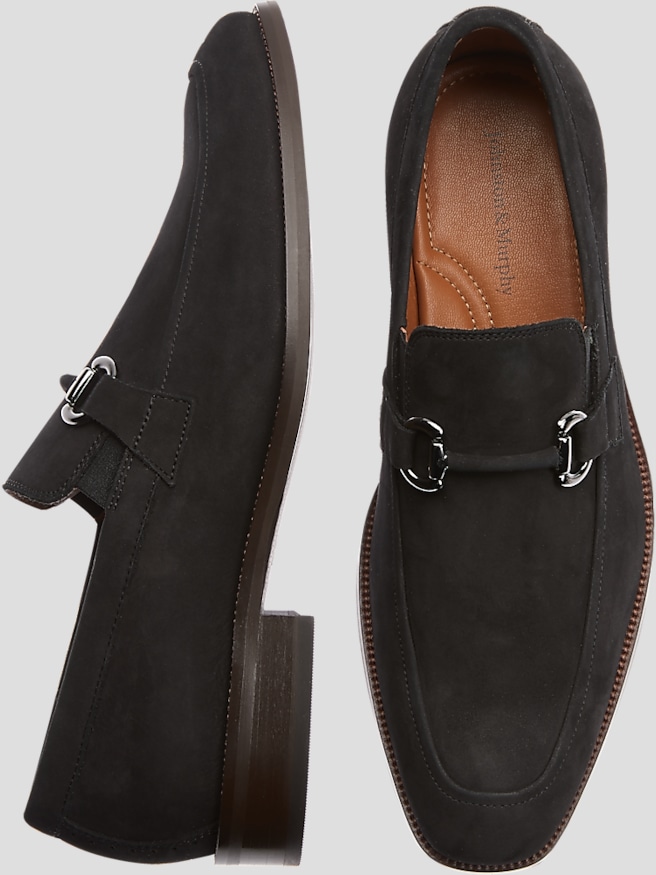
Holiday boat shoes for men combine a familiar nautical silhouette with the relaxed polish that suits casual celebrations, laid-back dinners, and time away. Their low profile, moccasin-style toe, and often-visible side lacing give them a distinctive character without the formality of a dress shoe. For a Christmas brunch with family, an afternoon gathering with friends, or a holiday trip with a casual dress code, boat shoes can bring a finished look to chinos, dark denim, or tailored shorts where the setting allows. Material makes a meaningful difference in both appearance and feel. Smooth leather offers a traditional look that can develop character with wear, while suede has a softer, matte texture that works well with corduroy and knitwear. Canvas and other textile uppers tend to create a more relaxed impression, particularly for a getaway with plenty of casual downtime. Breathability, weight, and flexibility depend on the full construction, including the lining and sole, rather than the upper material alone. Brown and tan shades emphasize the shoe’s heritage styling; navy creates a quieter contrast with light-colored pants. Details such as contrast stitching, metal eyelets, and leather laces can make the same basic shape feel rugged or refined. Underfoot, rubber soles are common, but tread patterns and traction vary. A boat-shoe silhouette does not automatically mean a pair is suitable for an active day on a wet deck, and a nonmarking sole should only be assumed when the shoe’s details identify it that way. For holiday outings involving snow, ice, or prolonged rain, footwear designed for those conditions is a more appropriate choice. Boat shoes are better considered for suitable dry settings, indoor celebrations, or destinations where their lightweight construction makes sense. That balance of easygoing style and practical limits is part of choosing a pair that will get worn beyond a single occasion.
Fit matters especially in a low-cut shoe, where the heel and instep do much of the work of keeping the foot secure. A comfortable boat shoe should hold the heel reasonably well without pinching, leave room for the toes to move, and feel supportive across the widest part of the foot. A little movement can occur with some constructions, but repeated slipping or the need to curl the toes to keep a shoe on usually points to an unsuitable fit. Leather may soften with wear, yet a painfully tight toe box is not something to rely on stretching into comfort. The lacing system also deserves attention: some designs allow meaningful adjustment across the instep, while others offer a more limited change in fit. Anyone with a high instep, a wider forefoot, or a preference for extra cushioning will benefit from considering those details alongside length. Trying shoes with the socks intended for regular wear gives a more useful sense of fit than judging them barefoot and adding thicker socks later. No-show socks can preserve the open-ankle appearance while adding a layer between the foot and lining; visible fine-gauge socks create a more covered look with full-length pants. For a casual holiday meal, straight or gently tapered chinos allow the shoe’s shape to show without excess fabric collecting at the ankle. Dark denim with a neat hem works with a textured sweater, while an Oxford shirt and unstructured jacket give boat shoes a slightly more dressed-up setting. They remain casual footwear, so a formal invitation calls for a more traditional dress shoe. Color can help connect the outfit without requiring every accessory to match exactly. A medium-brown pair sits comfortably beside olive, navy, and cream, while men's white boat shoes offer a crisp contrast with blue denim or light neutral chinos. The best combination reflects the occasion and the wearer’s usual style, rather than forcing a nautical theme into every part of the outfit.
As a holiday gift, boat shoes make the most sense for someone who already enjoys relaxed footwear with a little structure: a dad who lives in chinos on weekends, a brother who packs lightly for trips, or a partner who prefers casual shoes that still look considered at dinner. An often-worn pair can provide clues about preferred color, width, and shape, although the labeled size may not translate exactly across shoe constructions. Someone accustomed to roomy athletic shoes may notice a closer-fitting leather upper immediately, so familiar sizing alone is not a guarantee of comfort. The recipient’s routine matters, too. A flexible sole can feel natural for everyday movement, while cushioning and arch support deserve closer consideration for extended periods on foot. Durability comes from the combination of upper quality, secure stitching, sound sole attachment, and care appropriate to the material—not simply from how substantial a shoe feels in the hand. Smooth leather generally benefits from regular dusting and occasional conditioning with a compatible product, following the maker’s directions. Suede needs a suitable brush and a gentler approach to marks; household leather creams can change its texture and appearance. Textile shoes should be cleaned according to their care instructions rather than assumed to be machine washable. After wear, allowing shoes to air out helps the lining dry, especially when they have been worn without visible socks. Damp pairs should dry naturally away from radiators or other direct heat, which can affect leather and adhesives. Shoe trees of an appropriate size can help leather uppers retain their shape, and rotating footwear gives each pair time to recover between outings. Light-colored uppers tend to show scuffs and surface dirt more readily, making prompt, material-appropriate cleaning useful. With thoughtful fit and consistent care, holiday boat shoes can become a regular part of a casual wardrobe rather than footwear reserved for the gift-opening moment. Their lasting appeal is straightforward: a recognizable shape, versatile styling, and an easy transition from a relaxed gathering to an ordinary weekend.