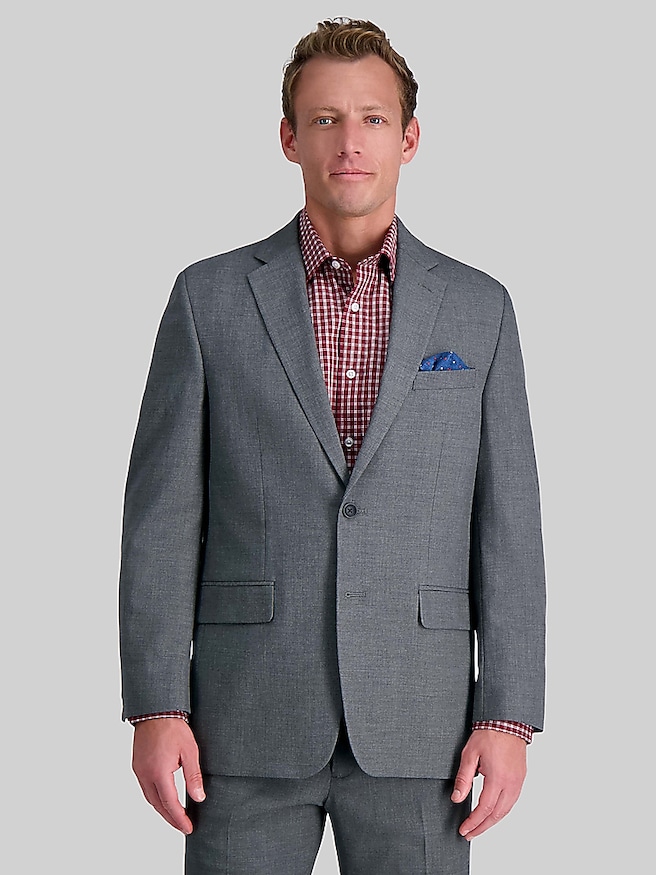
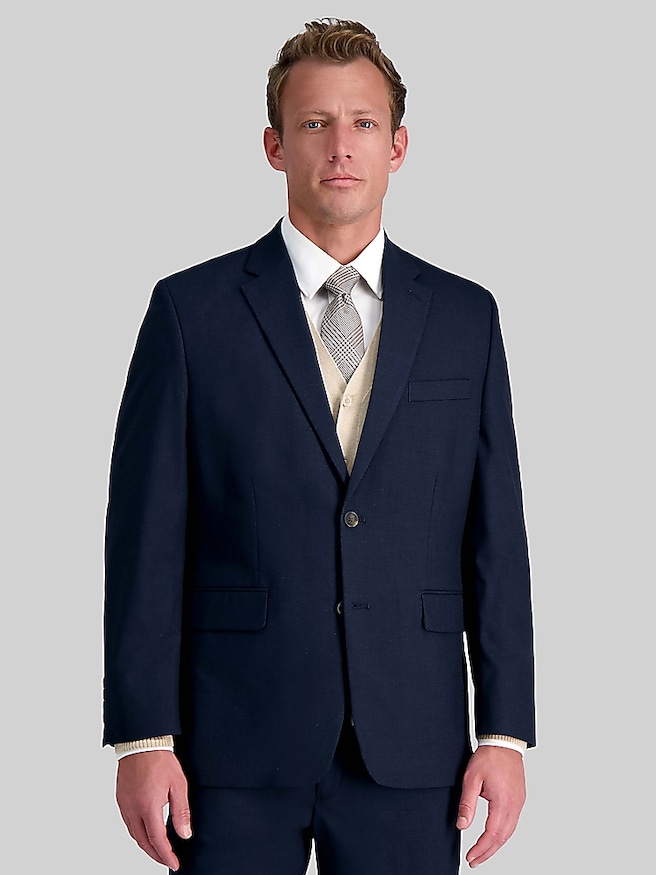
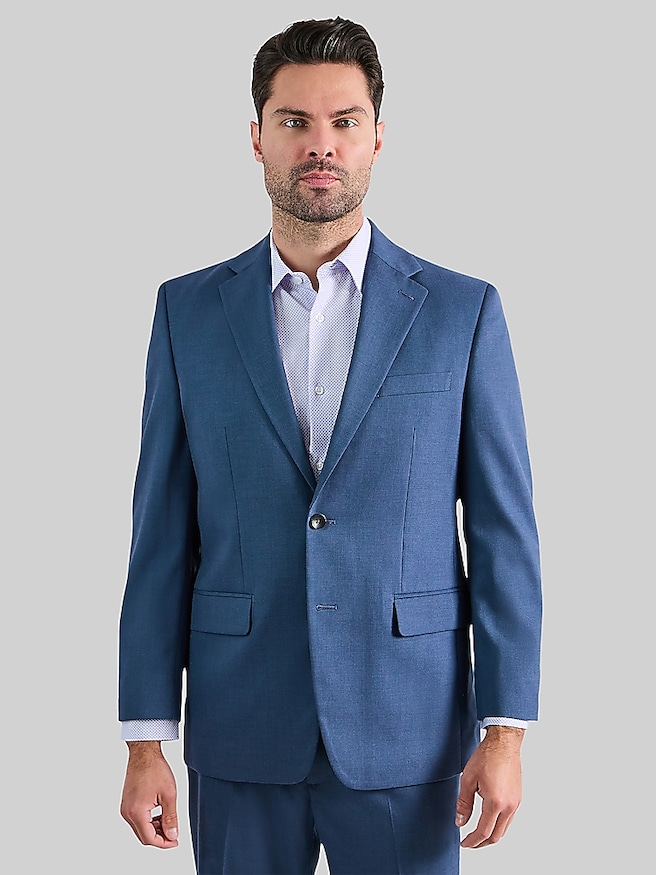
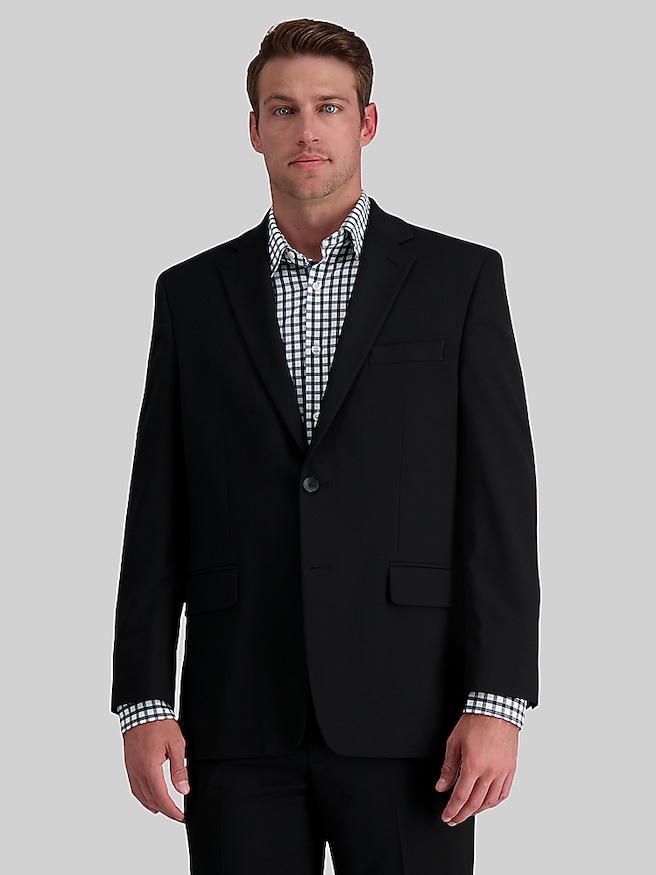
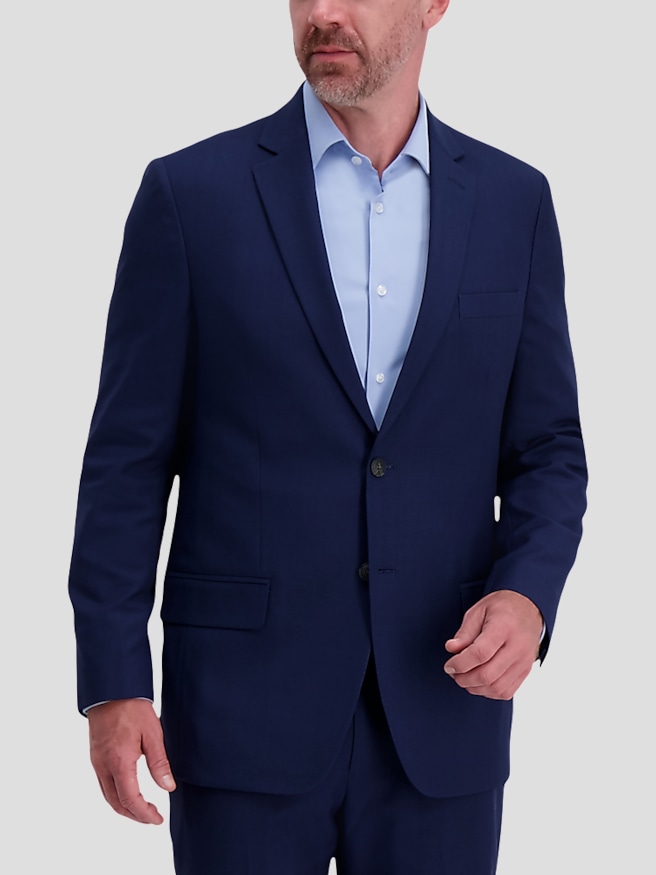
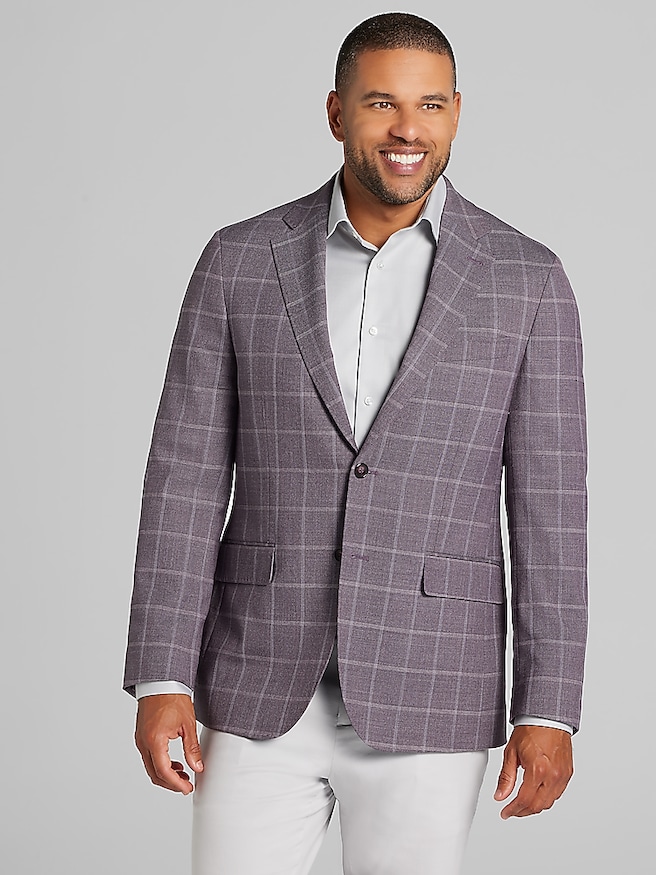
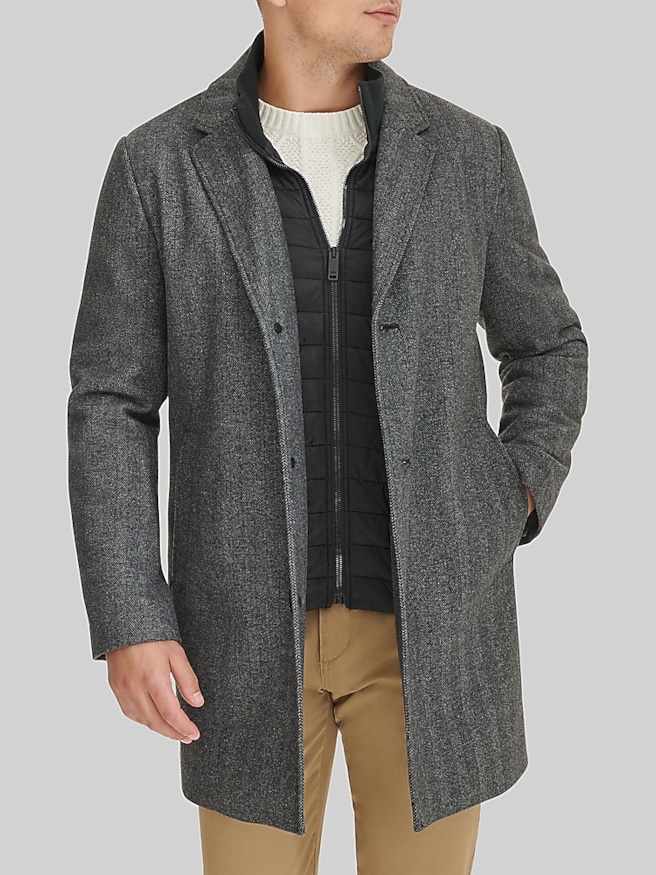
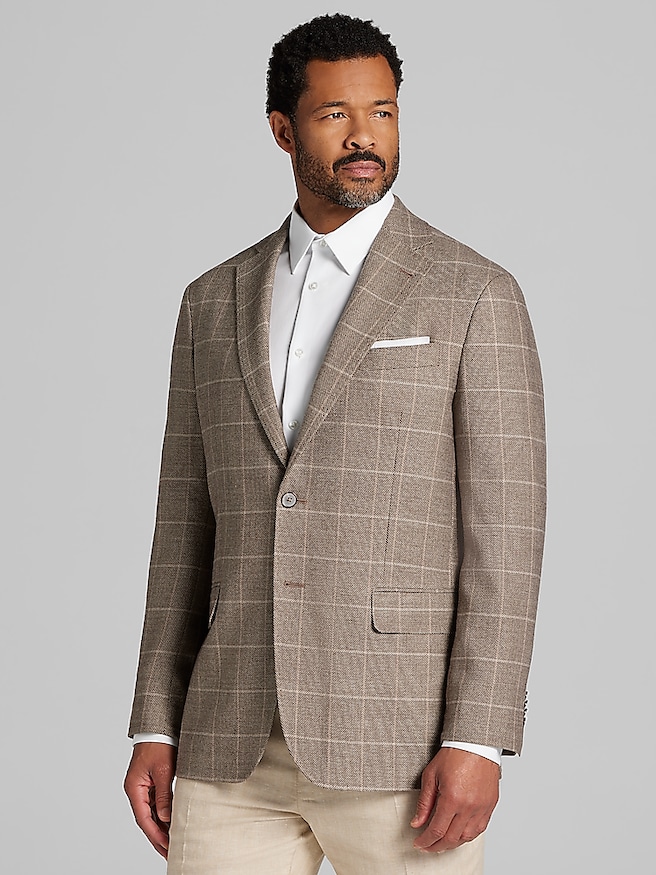
Hip-length coats are outerwear styles with hems that fall at or just below the hips, creating a compact silhouette with less fabric around the legs than longer coats. That proportion makes them a practical choice for driving, commuting, and moving between everyday appointments, particularly for anyone who prefers an outer layer that does not extend far over the thighs. The category can include tailored wool-blend coats, shorter peacoats, abbreviated trench silhouettes, and relaxed utility designs, each bringing a distinct character to the same general length. A structured shoulder and defined collar give a short coat a polished appearance over a button-down shirt, while a softer construction feels natural with a knit polo or crewneck sweater. Double-breasted fronts add visual substance across the torso; single-breasted fronts tend to create a simpler vertical line. Neither approach is inherently more flattering, since the effect depends on shoulder width, torso length, and the clothing underneath. On a shorter frame, a hem near the hip can leave more of the trouser leg visible and help maintain balanced proportions. On a taller frame, checking the actual back length matters more than relying on a category name, because the same coat may land noticeably higher. A straight hem looks clean with chinos or tailored trousers, while a slightly shaped hem can lend a more casual character to denim. Dark, understated colors are easy to coordinate with patterned shirts and textured knits, and earth tones bring definition to outfits built around navy, gray, or cream. For office days, dinner plans, or a trip that involves plenty of seated travel, hip-length outerwear offers a useful balance of coverage and mobility. Its appeal lies as much in how it functions as in how it looks: a manageable hem, accessible pockets, and enough structure to give even a simple shirt-and-trouser combination a finished appearance. The result can feel composed without requiring the formality or longer line of a traditional overcoat.
Material and construction shape the feel of a hip-length coat just as much as its cut. Wool and wool blends can provide a substantial drape, with surfaces ranging from smooth and refined to brushed or visibly textured. Fiber percentages alone do not tell the full story; fabric weight, weave density, lining, and internal structure also influence how a coat hangs and how substantial it feels in the hand. A tightly woven cloth often presents a crisp outline, while a softer fabric can settle more easily over a sweater. Cotton twill has a more utilitarian character, with a diagonal weave that pairs naturally with denim, corduroy, and casual trousers. Synthetic fabrics and blends may reduce weight or support easier care, though performance depends on the particular textile and finish rather than the fiber name alone. Leather offers another distinct texture and develops surface character with wear, but it also calls for care suited to its finish. Inside the coat, a smooth lining helps sleeves slide over shirts and knitwear without catching, while thoughtful seams and neatly finished edges contribute to comfort. Reinforced pocket openings, secure buttons, and evenly stitched buttonholes are useful construction details, especially on a coat that will see frequent use. Pocket placement deserves attention, too: angled hand pockets feel natural for resting the hands, whereas flap or patch pockets make a stronger visual statement. An interior pocket can keep small essentials separate without interrupting the coat’s exterior lines. Loading any pocket heavily can distort the fabric, so a phone, keys, and wallet are best distributed rather than gathered on one side. For someone who regularly carries a shoulder bag, a stable shoulder fit and a fabric suited to repeated contact are practical considerations. A coat intended for frequent driving benefits from a closure that sits comfortably when seated and a hem that does not bunch excessively at the waist. These small details often determine whether an outer layer becomes an easy part of a routine or needs constant adjustment.
A good fit leaves room for the clothing underneath without making the coat appear oversized by accident. On a traditionally set-in sleeve, the shoulder seam should generally sit close to the natural shoulder edge; dropped shoulders and raglan sleeves follow a different design logic and should be judged by their overall drape. With the coat fastened, the front should lie comfortably rather than pull into pronounced lines around the buttons or zipper. Reaching forward, sitting down, and bending the elbows can reveal tightness that is not obvious while standing still. Sleeves should cover the wrist in a relaxed stance without swallowing the hands, allowing for the intended design and any visible shirt cuff. Trying a coat over a substantial knit gives a more realistic sense of layering room than trying it over a thin T-shirt alone. Length also needs to work with the rest of the outfit: a hip-length coat may leave the hem of a suit jacket exposed, so anyone seeking full jacket coverage should compare the actual lengths. For a longer silhouette, Men's Mid Length Coats provide another proportion to consider alongside trousers, tailoring, and everyday layers. Once the fit is settled, appropriate care helps preserve both shape and finish. Follow the garment’s care label, since washable fabrics, professionally cleaned wool blends, and specialty leather finishes require distinct treatment. A broad, supportive hanger helps a structured coat retain its shoulders, and emptying the pockets before hanging reduces unnecessary strain. Gentle brushing, when suitable for the fabric, can lift surface dust; stains deserve prompt attention using a method approved for the material. Avoid prolonged compression in storage, and allow enough closet space to prevent collars and lapels from being crushed. Hip-length coats can also make thoughtful gifts for someone who favors versatile clothing, provided sleeve length, chest measurements, and preferred layering habits are known. A successful choice reflects the recipient’s actual routine, whether that means polished office outfits, relaxed weekend clothing, or an outer layer that moves comfortably between the two.