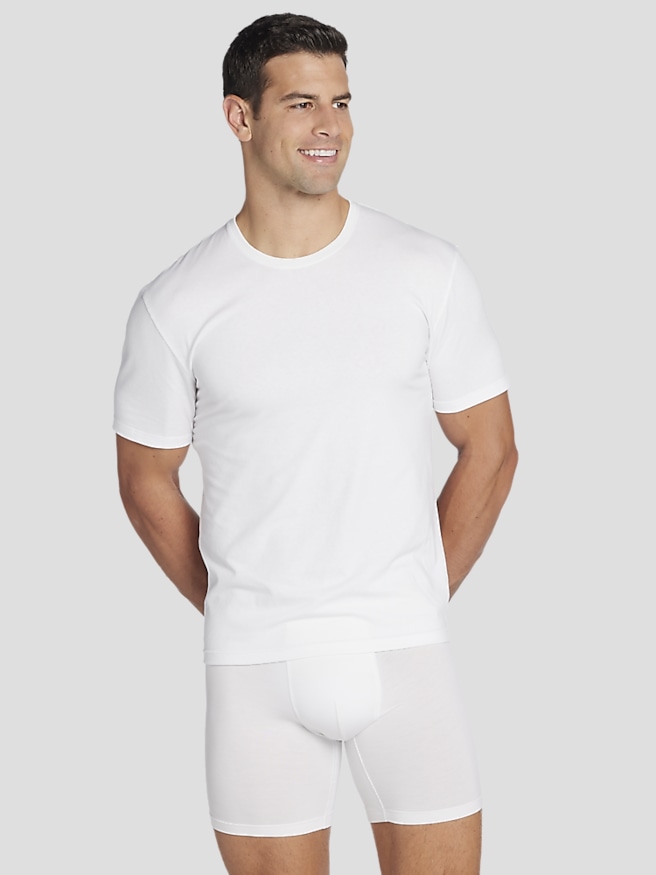
High school black tees are black T-shirts worn for everyday school outfits, school spirit, team activities, and student group events. Their appeal starts with a straightforward combination: a versatile color, an easygoing shape, and a background that lets school lettering or artwork stand out. A plain black tee can be a quiet staple for the classroom, while a version with a mascot, club name, or team graphic can help identify a shared interest. Black pairs naturally with denim, khaki, gray, and school colors, making it useful for students who want clothing that works across a busy day without much coordination. Picture a tee under an open flannel on a cool morning, worn on its own in a warm classroom, then layered beneath a hoodie for the walk to an afternoon practice. That flexibility suits the pace of high school life, where one outfit may need to cover classes, a study session, and a casual evening with friends. For spirit days and student cheering sections, matching black tees can also create a unified look without requiring an elaborate outfit. Clubs, theater crews, volunteer groups, and sports supporters may use them for similar reasons, although backstage activities and organized events can have their own clothing requirements. When a design includes text or a school emblem, strong contrast helps the artwork remain readable from across a gym or along the sidelines. White lettering creates a crisp effect, while bold school colors give a black background a more spirited character. Unprinted styles have a place, too, especially for students who prefer understated clothing or need a simple layer beneath a jacket. The common thread is everyday usefulness: high school black tees can express school pride, support a group identity, or simply provide a comfortable foundation for casual dressing, subject to the school’s dress code and the expectations of each activity.
Fabric and construction shape how a black tee feels through hours of sitting, walking, and carrying a backpack. Cotton is familiar for its soft touch and breathability, making it a practical choice for ordinary classroom wear. Cotton blends can combine that familiar feel with qualities such as improved shape retention or quicker drying, depending on the fibers and knit. Polyester-rich performance fabrics may suit active school events, though moisture management depends on the fabric’s construction and any finishing treatments rather than fiber content alone. Fabric weight matters just as much as the fiber label. A lightweight jersey can feel comfortable beneath a sweatshirt, while a more substantial knit may offer a firmer drape and greater coverage. Neither is automatically the better choice; the right balance depends on whether the tee will be used mainly as a base layer, a standalone top, or part of a coordinated group outfit. Smooth fabric can also provide a clean background for printed graphics, while a textured surface gives plain black a little more visual depth. Fit should leave enough room for ordinary movement without bunching awkwardly beneath outer layers. Shoulder seams that sit near the shoulder edge generally create a tidy outline, and sleeves should allow comfortable reaching without pulling tightly across the upper arm. A relaxed cut leaves more space through the chest and waist; a closer cut gives a neater silhouette under an overshirt. Body length deserves attention when a student raises an arm to reach a locker shelf or sits down with a backpack still over one shoulder. Size charts and garment measurements are more useful than assuming every tee labeled medium fits alike. For a coordinated group, consistent artwork does not have to mean identical fit preferences. Students can share a visual identity while choosing proportions that feel comfortable. A stable neckline, even stitching, and securely finished hems are useful construction details, especially when the shirt will be worn often rather than saved for a single event.
Black tees earn their place in a school wardrobe through repeated wear, so care and durability matter beyond the first outing. Dark fabric can gradually fade, and printed artwork may show wear when exposed to excess heat or friction. The garment’s care label should set the routine, particularly when a shirt combines a fabric blend with a decorative print. When the instructions allow it, washing inside out with similar dark colors in cool water can help limit surface abrasion and color transfer. Using the recommended detergent amount and avoiding unnecessary high heat can also help preserve the fabric’s appearance. Low-heat drying or air-drying may be appropriate, but the label takes priority because some fabrics and finishes need specific handling. Printed areas should not be ironed directly unless the care instructions explicitly permit it. For plain black tees, lint can be more noticeable than it is on lighter shades, so separating them from lint-shedding towels and keeping a clothing brush handy can make a visible difference. Between washes, folding neatly or hanging on a suitable hanger helps keep a tee ready for the next school day. Intended use can shape the styling, too: dark jeans and clean sneakers keep the look simple for a casual school gathering, while chinos and an unstructured overshirt add polish for an informal club presentation when the dress code permits. During cooler weather, a black tee works beneath a cardigan, sweatshirt, or jacket without competing with the outer layer’s color. For a broader look at this everyday category, High School Casual Tees offers a related starting point for casual school outfits. A black tee can also make a useful gift for a high school student, particularly when the giver knows the student’s size, preferred fit, and taste in graphics. School affiliation and activity matter for printed designs, while a plain style keeps the choice more flexible. Whether worn for a spirited group photo or an ordinary afternoon at the library, the most useful tee is one that feels comfortable, layers easily, and holds up to the rhythm of the school week.