High quality accessories bring together thoughtful materials, dependable construction, and proportions that work with the clothes they accompany. Their value is often most noticeable in everyday moments: a belt that sits flat beneath a jacket, a tie that forms a clean knot, or a wallet that holds the essentials without distorting a trouser pocket. For men’s accessories, quality is less about a prominent logo than about how a piece looks, feels, and performs through repeated use. Leather, silk, wool, cotton, and metal each contribute distinct qualities, but the material name alone does not tell the whole story. Full-grain leather retains the hide’s natural surface and can develop a rich patina with use; its thickness, finishing, and stitching also influence comfort and longevity. Silk can lend neckwear a smooth drape and subtle luster, while woven textures add depth without relying on a bold pattern. Cotton often brings a crisp finish to pocket squares, and wool can give a tie a softer, more matte appearance. Close, even stitching, neatly finished edges, secure fastenings, and smooth hardware are useful signs of careful construction. A buckle should operate cleanly, and a clasp should close securely without catching on nearby fabric. These small details matter whether accessories are worn at a desk, carried on a business trip, or chosen for a wedding. Intended use helps define what quality looks like: an everyday accessory needs practical capacity and resilience, while a formal accent may place greater emphasis on precise proportions and a refined finish. Neither needs to draw attention to itself to make an outfit feel complete. A restrained color, an appealing texture, or a well-shaped knot can give a familiar suit new character while keeping the overall appearance composed. Accessories with this balance of usefulness and visual restraint can move comfortably between professional settings, celebrations, and more relaxed plans, giving them a lasting place in a well-considered wardrobe.
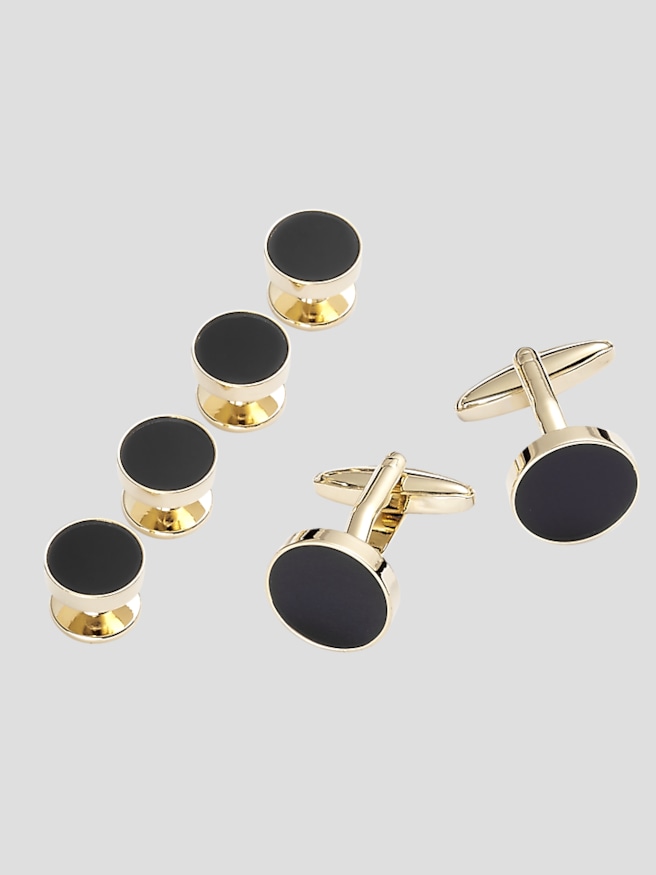
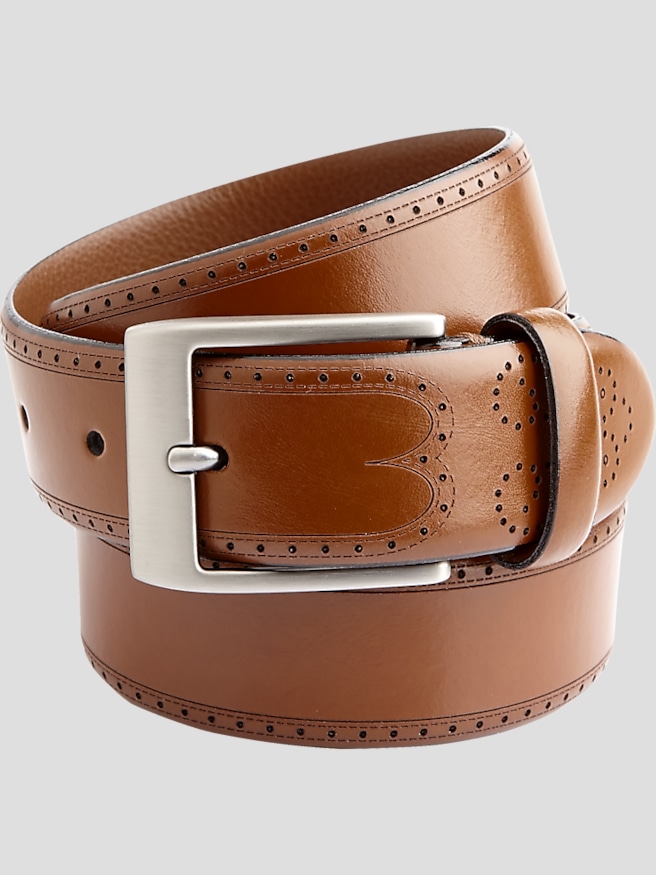
Fit and scale deserve as much attention in accessories as they do in tailoring. A leather belt should pass easily through the trouser loops, fasten comfortably, and leave a tidy length beyond the buckle rather than an excessive tail. Belt sizing varies by maker, so the stated measurements matter more than assumptions based on trouser size alone. Width also changes the effect: a slimmer, understated profile generally sits naturally with dress trousers, while a more substantial shape can complement casual fabrics. Neckwear works best when its proportions relate to the shirt collar, jacket lapels, and wearer’s build. A tie that reaches approximately to the waistband creates a balanced line, and a knot that fills the collar opening without crowding it helps the shirt sit cleanly. The same attention to proportion applies to a pocket square, where a small visible fold can offer enough contrast without overwhelming the jacket. Color coordination need not mean exact matching. Brown leather accessories can sit comfortably together when their tones and level of formality are compatible, and repeating a metal finish can create a quiet sense of continuity. Texture offers another way to build an outfit: a subtly patterned tie against a solid shirt, or a softly textured pocket square alongside smooth suiting, adds interest at close range. For a presentation, understated accents keep attention on the speaker; for a celebratory dinner, a richer color or more expressive pattern can feel appropriate without changing the entire outfit. Formal accessories call for particular attention to the dress code and the clothing’s construction, including whether a shirt is designed to accommodate cuff links. The appeal of Luxury Accessories often lies in these considered details: pleasing materials, precise finishing, and a distinctive touch that remains easy to wear. The strongest combinations feel connected rather than overly coordinated, allowing each element to support the outfit instead of competing for attention.
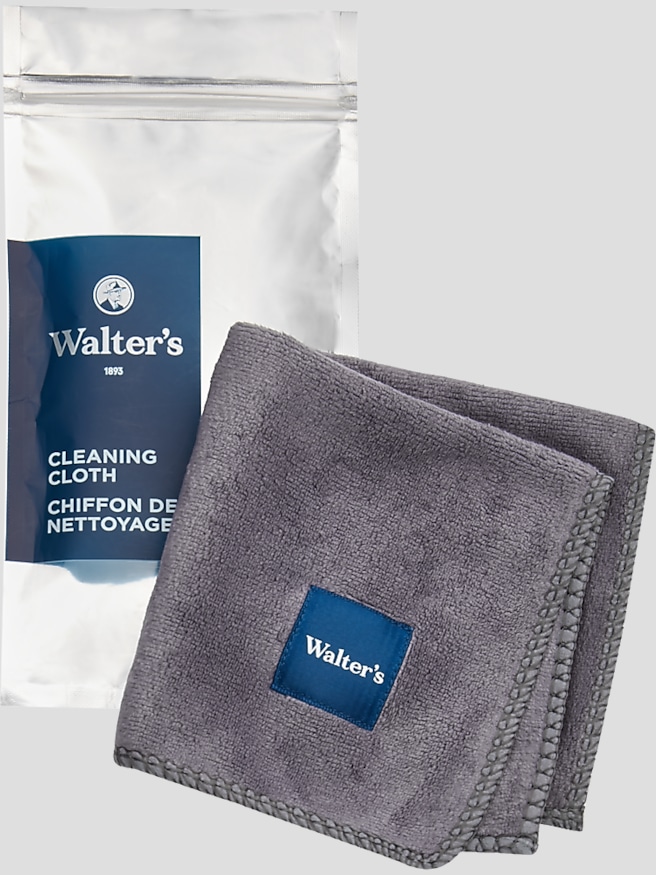
Lasting quality also depends on care that suits the material and the way an accessory is used. Leather generally benefits from gentle cleaning and, when recommended by the maker, an appropriate conditioner tested first on an inconspicuous area. Excess moisture, harsh cleaners, and prolonged direct sunlight can affect its appearance, while overfilling a wallet can stretch compartments and strain seams. Enough room for frequently used cards and folded bills is often more practical than capacity that encourages unnecessary bulk. A comfortable pocket profile matters during a long meeting or a drive just as much as it does while standing in front of a mirror. Belts keep their shape better when stored without sharp bends, and rotating frequently worn accessories can reduce concentrated wear. Neckwear needs similarly thoughtful handling. Carefully undoing a tie after wearing it, rather than pulling the narrow end through a tight knot, helps limit stress on the fabric and seams. Hanging or loosely rolling ties as their construction allows can help prevent stubborn creases. Care labels remain important because silk, wool, cotton, and blended fabrics may require distinct cleaning methods, and structured pieces can be damaged by treatment that is harmless to an unstructured cloth. Metal accents benefit from a soft cloth and separate storage that limits scratching; plated finishes need cleaning methods appropriate to their surface. These habits help preserve the details that made an accessory appealing in the first place. They also make quality accessories thoughtful gifts for a graduate beginning a professional wardrobe, a partner marking an anniversary, or a father who appreciates useful finishing touches. Personal taste is a better starting point than novelty: the colors someone already wears, the formality of their daily routine, and their preference for compact or more substantial shapes all offer helpful clues. Size-dependent accessories require accurate measurements, while decorative accents depend more on individual style and occasion. Whether selected for daily use or a meaningful milestone, a well-made accessory should feel purposeful, comfortable, and recognizably suited to the person wearing it.