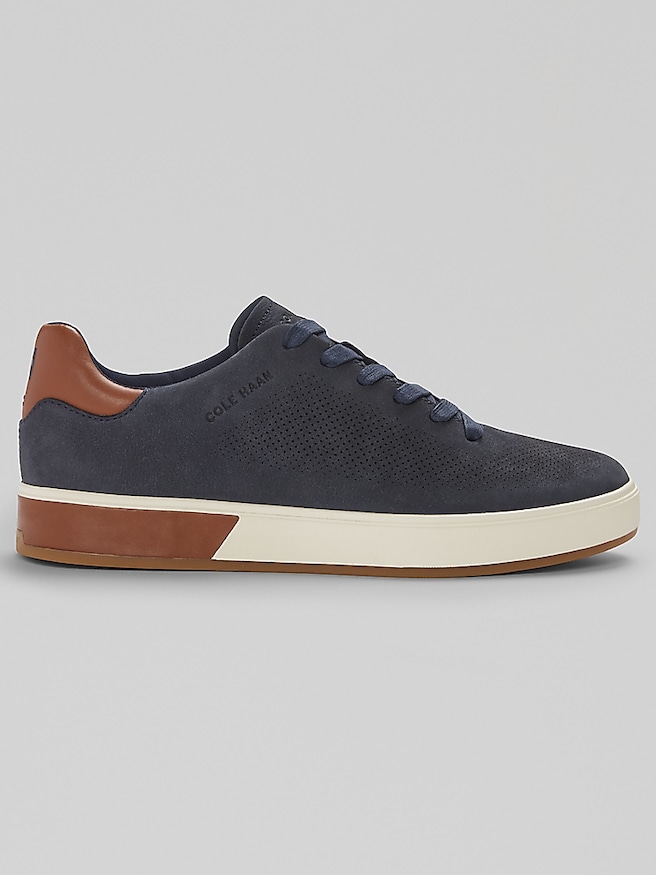
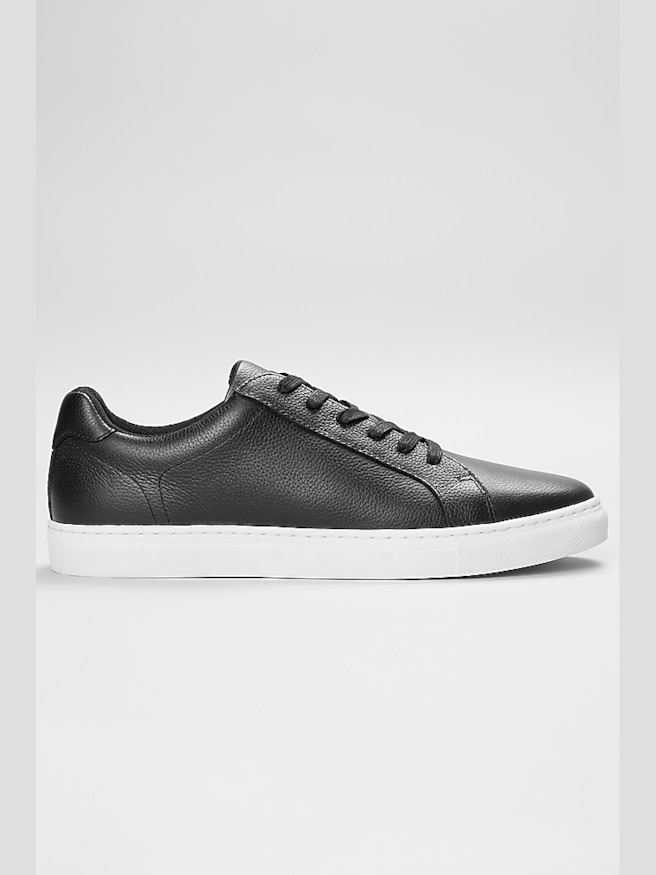
Men’s shoe brands span several distinct footwear categories, from polished leather dress shoes and easygoing loafers to casual sneakers, purpose-built athletic shoes, and substantial boots. The most useful distinctions go beyond a name on the insole: shape, construction, materials, and intended use all influence how a pair looks and feels throughout the day. A sleek lace-up with a restrained profile complements the clean lines of a suit, while a rounded toe and a more substantial sole can feel at home with chinos or denim. Within dress footwear, oxfords have a closed lacing system that creates a compact, refined appearance; derbies use open lacing, which often allows more adjustment across the top of the foot. Loafers offer a slip-on alternative, with streamlined versions suited to tailored trousers and more relaxed shapes working well with everyday separates. Decorative perforations, known as broguing, add visual texture without defining the shoe’s underlying construction. These details matter when dressing for a job interview, a wedding reception, or an office where the dress code falls somewhere between business casual and traditional tailoring. Black leather generally creates a crisp, formal impression, while brown shades can bring depth to navy, gray, and earth-toned clothing. The finish matters, too: a highly polished surface reads differently from a matte or textured one, even when the color is similar. Sneakers occupy a broad range of their own, including understated lifestyle designs and technical footwear developed for particular activities. For a closer look at that category, Mens Sneaker Brands brings the focus to sneakers. A clean, low-profile silhouette can complement relaxed tailoring where the setting permits, but a casual sneaker is not automatically appropriate for running or structured training. Across men’s footwear brands, the strongest match is a shoe whose design serves the wearer’s routine, whether that means presentations and client meetings, commuting on foot, or spending an evening at a celebration.
Materials and construction help explain why two shoes with similar outlines can wear very differently. Leather uppers can develop creases and character with use, and their feel depends on the hide, finish, thickness, and lining rather than the word “leather” alone. Full-grain leather retains the hide’s natural surface, while suede has a soft nap that gives footwear a less formal appearance. Neither description guarantees comfort or longevity by itself; stitching, sole attachment, reinforcement, and regular care also contribute. Smooth leather is often practical for someone who wants a surface that can be brushed and polished, while suede calls for tools and products intended for its texture. Textile uppers can feel flexible and lightweight, and mesh constructions may encourage airflow, though performance varies with the lining and overall design. Synthetic materials cover a wide range of finishes and properties, so the material description is more useful than assumptions based on appearance. Underfoot, leather soles offer a traditional dress-shoe profile, while rubber soles often provide flexibility and traction suitable for everyday walking. Actual grip depends on the compound, tread, and walking surface; a rubber outsole alone does not establish slip resistance. Welted constructions may allow resoling when the upper remains sound, although repair options should be confirmed for the particular construction. Cemented shoes, whose soles are attached with adhesive, can offer a lighter or more flexible feel, but are generally less straightforward to resole. Cushioning and structure deserve equal attention. A soft footbed may feel pleasant at first step, yet someone standing through a long reception may also appreciate a secure heel, adequate width, and a stable base. A shoe for walking between appointments has different demands from one worn mainly at a desk. Durability therefore means more than a sturdy-looking sole: it includes how well the lining, heel, seams, and upper hold up to the way the footwear is actually used.
Fit is another meaningful distinction among men’s shoe brands because each maker may use different lasts, the forms that establish a shoe’s shape and internal proportions. The same marked size can feel narrow through the forefoot in one design and roomy through the instep in another. Length, width, toe shape, and heel hold all matter, especially when moving between dress shoes, sneakers, and boots. Trying footwear with the socks normally worn for that occasion gives a more realistic sense of fit; thicker socks can noticeably change the space inside a close-fitting shoe. Toes should have room without being pressed together, the heel should feel secure without rubbing, and the widest part of the foot should sit comfortably within the widest part of the shoe. Walking across a room reveals more than standing still, particularly when checking whether the foot slides forward or the upper pinches at the flex point. Leather may soften with wear, but painful pressure or cramped toes should not be dismissed as something that will necessarily improve. Anyone using prescribed orthotics should consider interior depth and whether the original footbed is removable. Once the fit is right, straightforward care helps preserve both appearance and function. Brushing away surface dirt, wiping smooth leather with an appropriate cloth, and using a compatible conditioner or polish can keep a dress pair looking considered rather than neglected. Suede benefits from a dedicated brush, while textile and synthetic uppers should be cleaned according to their care instructions rather than automatically put through a washing machine. Footwear should dry away from direct heat, and cedar shoe trees can help leather shoes retain their shape between wears. Rotating pairs gives interiors time to dry, while timely attention to worn heel tips or separating soles can prevent a small repair from becoming a larger problem. Shoes can also make a thoughtful graduation, birthday, or milestone gift for someone building a professional wardrobe. Familiarity with the recipient’s size, preferred fit, and daily dress code is especially helpful. The most personal choice reflects how that person actually dresses and moves, not simply how impressive the footwear looks in a box.