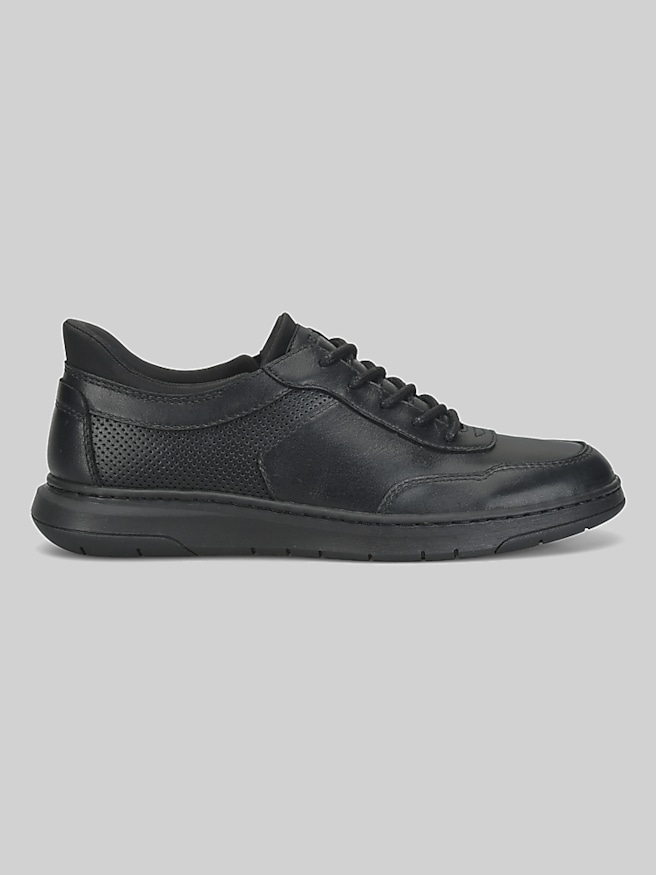
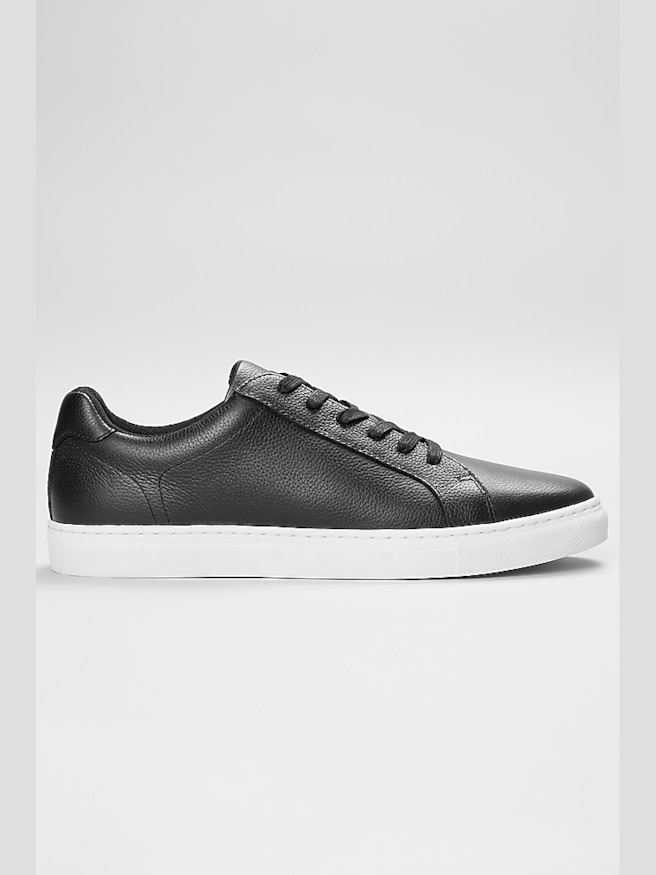
Casual shoe brands span classic sneaker labels, comfort-focused footwear makers, and brands known for leather craftsmanship, with designs that range from sporty everyday shoes to polished alternatives to dress footwear. The distinctions often come down to shape, materials, construction, and the way a shoe feels after several hours of wear. A streamlined leather sneaker creates a cleaner line beneath chinos, while a retro-inspired silhouette with layered panels adds texture and a more athletic character to jeans. Loafers and other low-profile slip-ons bring a relaxed finish to tailored trousers without the visual weight of a traditional lace-up dress shoe. These differences make casual footwear useful across everyday settings: commuting to a relaxed office, meeting friends for dinner, traveling, or spending an afternoon on foot. The most versatile choice is not necessarily the plainest one; it is the shape and finish that work naturally with the clothing already in regular rotation. Smooth uppers, restrained stitching, and a sole that sits close to the foot generally look more understated. Contrasting panels, substantial tread, and a wider sole edge create a stronger visual presence. Neutral colors such as black, brown, navy, gray, and white can support multiple combinations, though each brings a distinct effect. White offers a crisp contrast with dark denim, brown complements earthy tones, and black can maintain a continuous line with darker pants. For a broader look at footwear labels beyond everyday casual styles, the Guy Shoe Brands page offers a related category to explore. Within casual footwear, brand identity can provide a useful starting point, but the individual construction matters more than the logo. A label associated with athletic styling may use several sole designs, just as a leather-focused maker may offer both structured and flexible shapes. That variety makes the relationship between appearance and intended use especially important: a shoe for occasional dinners has a different job from one worn through a commute, a workday, and the walk home.
Materials influence how casual shoes look, move, and develop character with wear. Smooth leather can provide a refined surface and may soften with use, although the amount of give depends on its thickness, finish, and lining. Suede has a softer, textured appearance that works comfortably with denim, cotton twill, and knitwear, but its nap calls for different cleaning methods than smooth leather. Canvas lends a relaxed character and often allows an upper to flex easily; mesh can encourage airflow, depending on the weave and the layers beneath it. Synthetic materials vary widely, from supple uppers to firmer overlays that help hold a shoe’s shape. No single material guarantees comfort or durability, because stitching, reinforcement, lining, and sole attachment all contribute to performance. Inside the shoe, a smooth lining and neatly finished seams can help reduce friction, particularly around the heel and across the toes. Underfoot, cushioning changes the initial feel, while the footbed’s contours and the stability of the base affect longer periods of standing and walking. A very soft step is not automatically the most comfortable one over a full day. Some wearers prefer a firmer platform that feels steady, especially when moving between sidewalks, stairs, and office floors. Rubber outsoles often provide useful resistance to abrasion, while foam components can reduce weight and soften impact; actual grip depends on the tread, compound, surface, and condition of the sole. Lifestyle sneakers may borrow the appearance of running or court shoes without being designed for those activities. Their everyday styling should not be mistaken for sport-specific support or protection. For travel and routine errands, a manageable weight, secure heel, and natural flex near the ball of the foot can make a meaningful difference. For a desk-based workplace with occasional walking, a sleeker profile may be equally practical. Casual shoe brands approach these priorities differently, which explains why two shoes with similar outlines can feel noticeably different once worn.
Fit is where those design differences become personal. Length alone does not describe how a casual shoe will sit on the foot: toe-box shape, forefoot width, instep volume, and heel depth all matter. Toes need room to lie naturally without pressing against the front or being squeezed from the sides, while the heel should feel secure without a hard edge digging into it. Lace-up designs allow adjustments across the instep, which can be helpful when one foot has slightly more volume than the other. Slip-ons rely more heavily on the match between the shoe’s shape and the foot, so excessive heel movement or pressure across the top deserves attention. Leather may relax somewhat, but a painfully tight fit should not be treated as a necessary stage of ownership. Trying footwear with the socks normally worn with it gives a more useful sense of fit, and anyone using orthotics should check interior depth and whether the existing footbed is removable. Thoughtful care then helps preserve both appearance and structure. Loose dirt is easier to remove before it settles into seams or textured surfaces. Smooth leather generally benefits from cleaning and conditioning products appropriate to its finish, while suede typically needs a suitable brush and a cleaner made for the material. Canvas and mesh also require attention to the maker’s care directions; a washable-looking upper does not mean the whole shoe can go into a washing machine. Air-drying away from direct heat helps protect adhesives and materials, and allowing shoes to dry fully between wears supports a fresher interior. Wear at the heel, thinning tread, or compressed cushioning can signal that a familiar pair no longer feels as stable or supportive. As gifts for a partner, parent, adult son, or friend, casual shoes are most successful when the recipient’s preferred fit and everyday wardrobe are well understood. A familiar silhouette in an easy-to-coordinate color often earns more regular wear than an unfamiliar shape chosen only for its appearance. Ultimately, useful casual footwear feels at home in an ordinary day, bringing together a comfortable fit, appropriate construction, and a style that does not require rethinking the rest of an outfit.