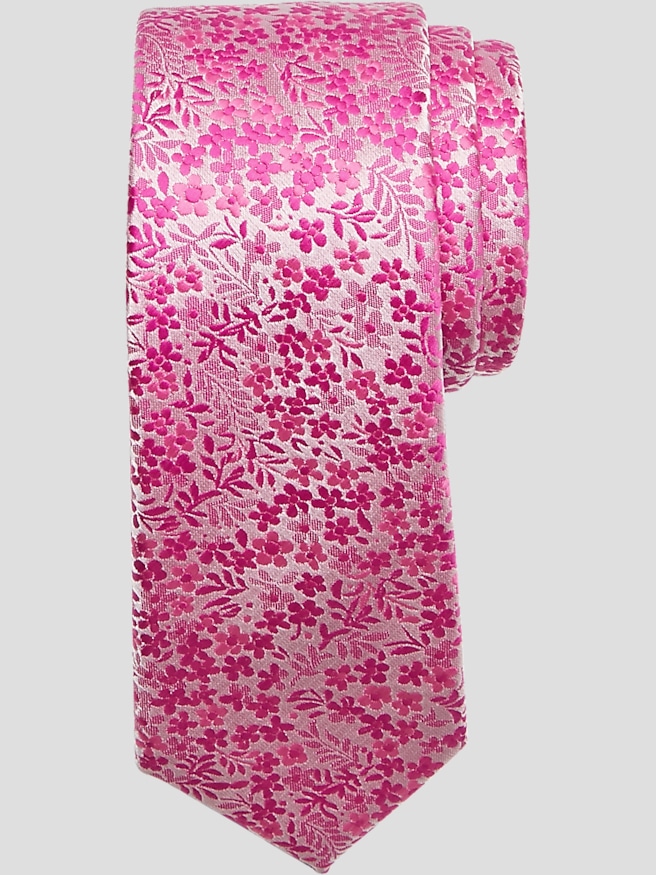
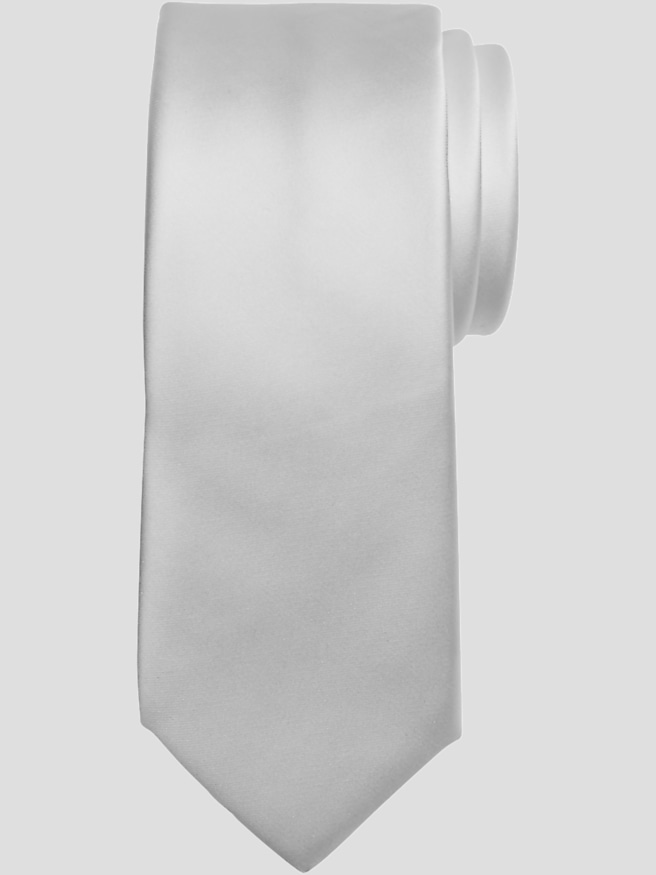
Groomsmen ties bring a wedding party’s suits into focus, connecting individual outfits through color, pattern, and texture. Worn against a crisp shirt and framed by jacket lapels, a tie can echo the ceremony’s palette without making every detail look identical. Solid neckties create a clean, unified effect, while subtle stripes, small dots, woven motifs, and floral patterns add personality within a coordinated group. The strongest choice depends on the formality of the celebration, the suit fabric, and the colors appearing elsewhere in the wedding. Navy suits pair naturally with burgundy, muted pink, or silver tones; charcoal provides a quiet backdrop for deep green, blue, and softer neutrals. With a black suit, a restrained solid or finely textured tie keeps the contrast deliberate. Matching ties to wedding party attire establishes a clear visual connection, but complementary shades can feel just as cohesive. A dusty blue tie, for example, can relate to deeper blue attire without needing to reproduce its exact shade. Color also shifts with the setting: a glossy fabric may look brighter beside a window than beneath warm reception lighting, while a matte weave tends to reflect less light. Seeing the tie beside the actual shirt and suit fabric offers a more useful impression than judging the color alone. For a coordinated wedding party, repeating one element—such as the base color or pattern scale—leaves room for subtle individual variation. The groom can stand apart through a richer shade, a distinctive weave, or a pattern that incorporates the attendants’ solid color. Coordinating groomsmen neckties with groom ties helps establish that relationship while keeping the groom’s outfit distinct. A pocket square need not duplicate the tie exactly; a simple white fold or a small accent drawn from the wedding palette often looks more considered. Together, these details create a consistent appearance in formal portraits and a natural one when jackets come off at the reception.
Material influences how groomsmen ties look, knot, and hold their shape throughout a full wedding day. Silk is valued for its drape and can have anything from a soft luster to a visibly textured surface, depending on the weave. Satin describes a weave rather than a fiber, so a satin tie may be made from silk or synthetic material. Its smooth face catches the light and creates a polished finish that works especially well with a crisp dress shirt and a refined suit. Polyester ties can offer resilience and straightforward upkeep, although cleaning requirements still depend on the construction and care label. Cotton and linen generally have a more relaxed surface, making them a natural fit for daytime ceremonies or celebrations with less structured tailoring. Linen’s visible texture and tendency to crease are part of its character, rather than signs of poor quality. Wool and wool-blend ties bring depth to cooler-month outfits, particularly alongside flannel or other textured suit fabrics. A knitted tie introduces another kind of surface interest, though its more casual character should suit the event’s dress expectations. Construction matters as much as the outer fabric: balanced stitching, a smoothly finished tip, and an interlining that supports the fabric help a necktie hang cleanly and recover after wear. Width and length affect the overall proportion. A slimmer tie usually sits comfortably with narrow lapels, while broader lapels often call for a fuller tie. The goal is balance across the chest rather than making every attendant wear the same dimensions regardless of build. A properly tied necktie generally reaches the waistband, with the front blade covering the narrow tail. Taller wearers, larger neck sizes, and more substantial knots can require extra length. A compact four-in-hand knot works well with many point collars, while a half-Windsor adds symmetry and fills a wider opening. Thick fabric already creates volume, so a smaller knot can keep the collar area from looking crowded. A modest dimple beneath the knot adds shape without making the finish feel overly styled.
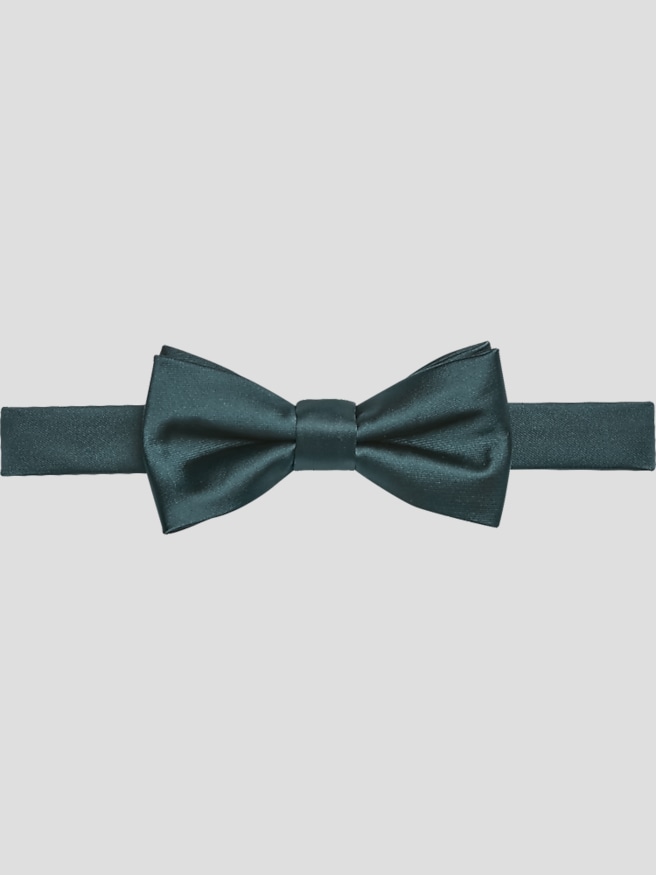
The intended use of groomsmen ties extends beyond a few minutes at the ceremony. They need to look composed during portraits, sit comfortably through dinner, and remain appropriate as the celebration becomes more relaxed. For an afternoon wedding followed by an evening reception, a softly lustrous solid or understated woven pattern bridges both settings without competing with the suit. In cooler months, deep colors and tactile fabrics can complement heavier tailoring, while lighter neutrals provide contrast against dark jackets. Venue matters, too: a textured necktie can feel at home against the timber and stone of a rustic setting, whereas a smooth, restrained finish echoes the cleaner lines of a formal ballroom. Bow ties create a distinct silhouette and are especially relevant when the wedding attire calls for tuxedos. For traditional black-tie dress, a black bow tie remains the standard; a long necktie is better suited to occasions with a more flexible dress code. Self-tie bow ties have a slightly individual shape, while pre-tied styles provide a consistent outline across the group. Whatever the style, a comfortable collar and a secure knot help keep attention on the occasion rather than repeated adjustments. Thoughtful care supports repeat wear after the wedding. Untying a necktie by reversing the tying steps, rather than pulling the narrow end through a tight knot, reduces unnecessary strain on the fabric and stitching. After wear, letting it rest loosely rolled or hanging on a suitable tie rack helps it recover its shape. Spills deserve prompt attention: blotting gently avoids the friction that can spread a mark or damage the surface, and the care label should determine the cleaning method. Direct heat can flatten texture or leave unwanted shine, so pressing and steaming require fabric-specific caution. As a groomsman gift, a tie combines a visible role in the celebration with practical use afterward. An adaptable color or restrained pattern can become part of an outfit for future weddings, dressy dinners, and work events, carrying a personal connection without looking limited to one occasion.