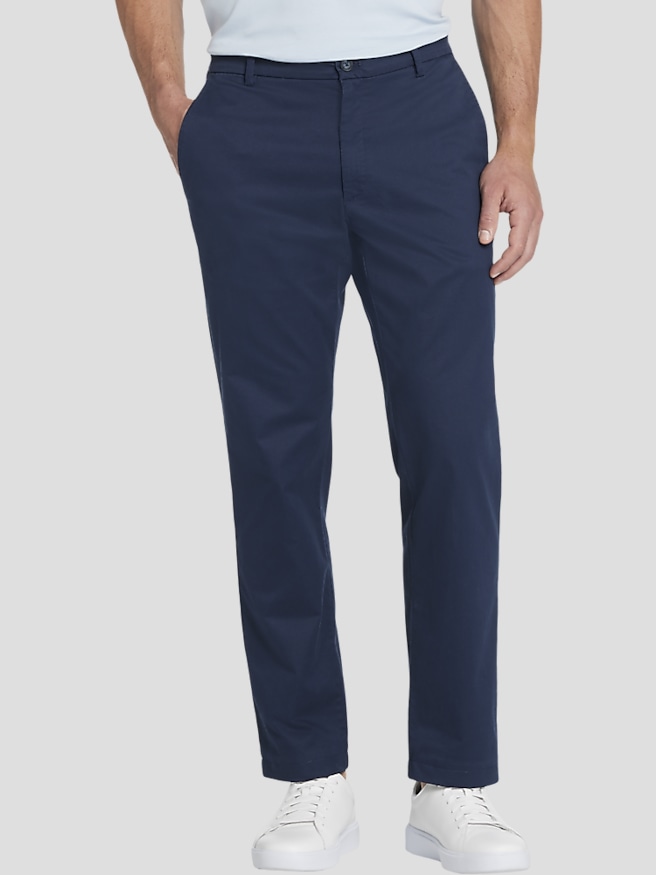
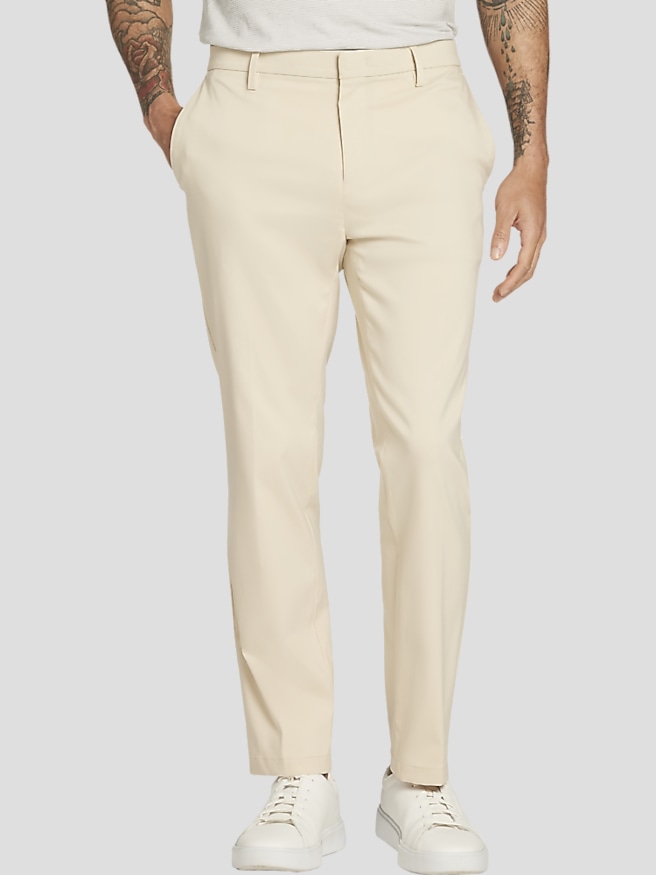
Groom chinos offer a relaxed, polished alternative to traditional suit trousers for casual weddings, intimate ceremonies, and celebrations where a full suit is not part of the dress code. Their appeal comes from clean lines and familiar comfort: a smooth waistband under a tucked dress shirt, neatly finished pockets, and a tailored leg that looks intentional in photographs without feeling overly formal. At a garden ceremony, a courthouse wedding, or a reception in a favorite restaurant, chinos can help the groom look distinct while staying connected to the setting. Cotton twill is a classic chino fabric, recognizable by its subtle diagonal weave and substantial yet pliable feel. Fabric weight, composition, and finish influence how the pants drape, hold a crease, and feel through a day of sitting, standing, and dancing. Cotton blended with a small amount of stretch can provide extra give at the hips and knees, while cotton-linen blends may have a more textured appearance and a softer, less structured drape. Linen content can also bring visible creasing, which suits some relaxed wedding styles better than a sharply pressed finish. A matte surface generally feels more understated than a noticeable sheen, and smooth, tightly woven fabric can create a dressier impression than a heavily washed finish. Color plays an equally important role. Khaki, sand, and stone create a softer foundation for light shirts and textured jackets; navy and charcoal offer deeper contrast and can carry easily into other dressed-up occasions. The most useful choice connects with the wedding palette without requiring every detail to match. For a groom wearing chinos alongside attendants in similar trousers, a distinct jacket, tie, or shirt can establish a clear focal point. The result is wedding attire that feels considered rather than improvised, with enough versatility to remain useful well beyond the ceremony.
Fit gives groom chinos their finished appearance, especially when the rest of the outfit is deliberately simple. A comfortable waistband should stay in place without needing a tightly cinched belt, while the seat and thighs should allow sitting without pulling across the pockets or creating pronounced horizontal lines. A slim fit can provide a close, streamlined shape, but it should still leave room to move; a straight or tailored fit offers another route to a clean silhouette without closely following the leg. Those distinctions matter during ordinary wedding-day moments, from sitting through dinner to stepping onto the dance floor. Rise also affects how the outfit comes together. A waistband that sits comfortably at the intended position helps a tucked shirt remain neat and keeps the proportions balanced beneath a jacket. When alterations are appropriate, trouser length can make a noticeable difference. A slight break gives the hem a classic finish over dress shoes, while little or no break creates a cleaner line with loafers. Excess fabric pooling around the ankles can make otherwise well-fitting chinos look less polished. Trying the trousers with the intended shoes makes that relationship easier to judge. Up top, a crisp dress shirt and a softly structured blazer can give chinos enough definition for a casual ceremony without suggesting a matching suit. An open collar creates a more relaxed impression, while a textured tie adds a distinct wedding-day detail. Brown leather loafers, derbies, or understated dress shoes can work with many neutral chino colors, depending on the formality of the celebration. Coordinating the belt and shoes in a similar leather tone keeps the outfit cohesive without making every accessory identical. Pocket squares and ties can echo a color from the ceremony decor or wedding party, but a restrained combination usually leaves more attention on the groom. The strongest outfit feels complete with the jacket on and still looks deliberate when the jacket comes off at the reception.
The practical value of chinos becomes especially clear across a wedding weekend. The same trouser style can suit a rehearsal dinner, a welcome gathering, or a post-wedding brunch with a change of shirt, shoes, or jacket. It can also move into office wear and future celebrations, making fit and fabric quality worth considering beyond a single set of photographs. Durability depends on more than thickness: even stitching, secure buttons, neatly finished seams, and fabric that recovers well after movement all contribute to dependable wear. Pocket construction matters, too, particularly when carrying a phone or other small essentials. Overfilled pockets can interrupt a tailored line, so keeping them light helps preserve the intended shape. Care requirements vary by fabric and finish, and the garment label should guide washing, drying, ironing, or professional cleaning. Some cotton chinos are machine washable, while other blends or constructions need a different approach. High heat can affect shrinkage and stretch fibers, making the recommended drying method particularly important. Prompt attention to spills, treatment appropriate to the fabric, and pressing at the recommended setting can help maintain a clean appearance without unnecessary wear. Hanging trousers neatly between uses helps limit deep folds, and allowing them to dry fully before storage supports good long-term care. For the wedding itself, having the chinos cleaned and pressed ahead of dressing leaves time to notice a loose button or an uneven hem. They should also suit the stated dress code: chinos belong to the relaxed end of wedding attire rather than formal evening dress. For a black-tie celebration, Groom's Tuxedos provide a more appropriate foundation. Within a casual wedding setting, thoughtfully chosen chinos offer a balance of comfort, structure, and personal style, with a place in the groom’s wardrobe long after the last toast.