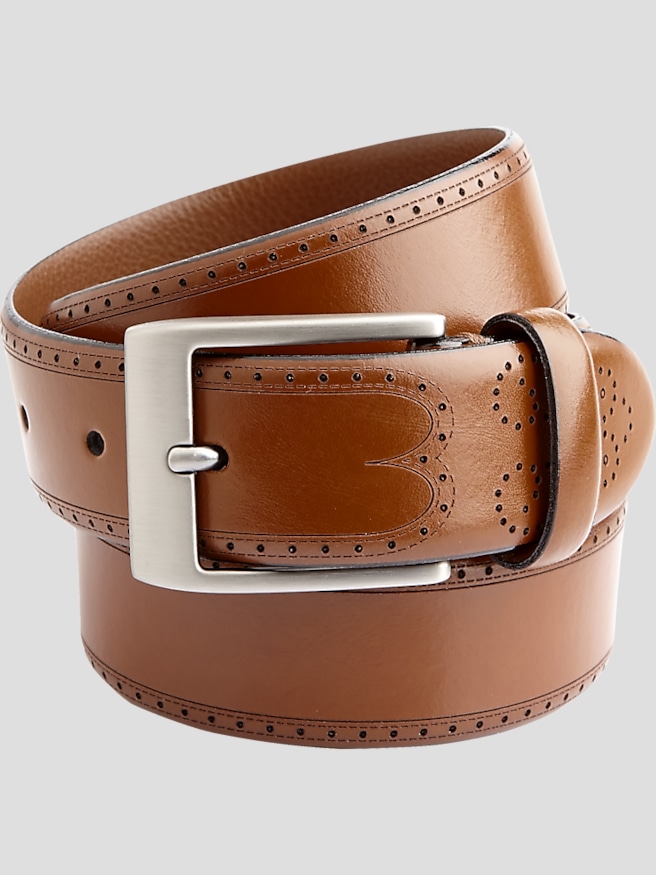
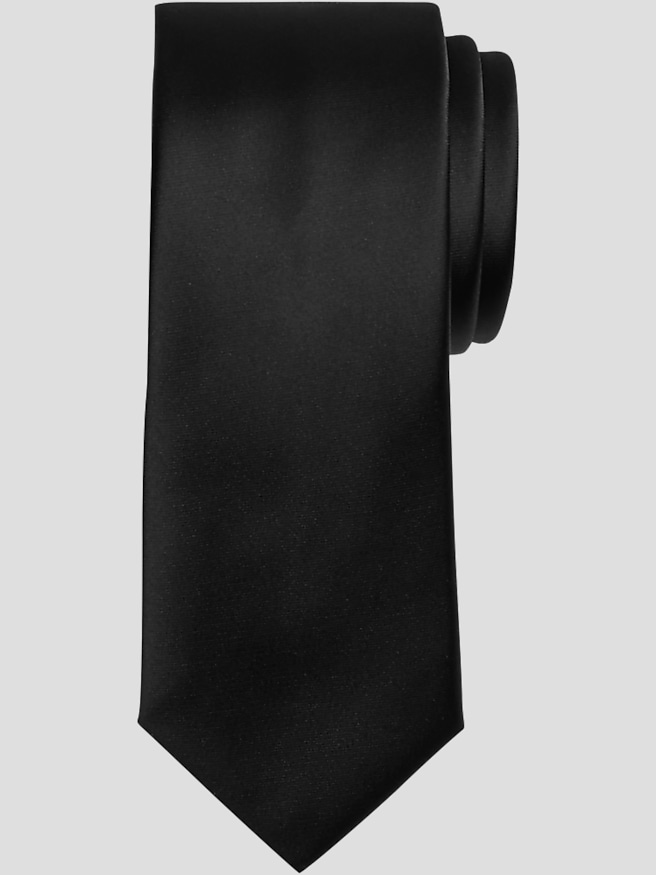
Graduation accessories complete the outfit worn beneath academic regalia and give it a finished look for portraits, commencement, and the celebration afterward. For a suit or dress-shirt outfit, these finishing touches include neckties, bow ties, pocket squares, belts, dress socks, cuff links, and tie bars. Their purpose is both practical and personal: a belt keeps trousers comfortably positioned, socks provide coverage when seated, and a thoughtfully chosen tie brings color and definition to the shirt collar. A high school graduate wearing a first suit may prefer a straightforward combination with familiar proportions, while a college or graduate-school graduate might choose accessories that also feel appropriate for interviews and professional events. The most successful combinations look connected without making every piece identical. A textured navy tie and a white pocket square, for example, can add depth to a gray suit without competing with the gown or academic honors. A small repeating pattern offers detail in close-up photographs, while a solid color creates a quieter effect in a larger group portrait. School colors can be incorporated through a restrained accent, provided they work with the rest of the outfit and any commencement requirements. Necktie width generally looks most balanced when it relates to the jacket lapels, and the tied tip should reach approximately the top of the waistband. A knot should sit neatly within the shirt collar rather than leave a visible gap or overwhelm the collar points. Bow ties offer a distinct alternative, with adjustable neck sizing helping establish a secure fit that does not feel restrictive. Pocket squares belong in the jacket’s breast pocket, where a simple flat fold creates a crisp edge and a softer fold introduces relaxed texture. These details become especially noticeable when the academic gown comes off for family photographs, a celebratory meal, or a reception, allowing the underlying outfit to feel complete rather than unfinished. They also give graduates room to express individual taste within an otherwise shared ceremonial dress code.
Materials and construction influence how graduation accessories feel, photograph, and hold their shape throughout a full day. Silk neckwear often has a fluid drape and a subtle sheen, although its appearance varies considerably with the weave. A finely woven surface can look smooth and formal, while a textured weave gives a solid color more dimension. Polyester neckwear can offer useful wrinkle resistance, but fabric quality, lining, and construction still affect the finished result. Linen and cotton pocket squares provide a comparatively matte appearance and can hold a defined fold; silk tends to create softer curves and a more fluid puff. None of these materials needs to match the suit fabric exactly. Contrast in texture can make a coordinated outfit look more considered, particularly when the colors remain restrained. Fit matters just as much in the less visible accessories. A dress belt should pass comfortably through the trouser loops and fasten without pulling the waistband into folds, with enough adjustment to accommodate sitting and standing. Following the maker’s sizing guidance is more reliable than assuming the belt size will be identical to the trouser size. Leather with neatly finished edges and secure stitching can stand up to repeated wear when maintained appropriately. Belt color usually looks most cohesive when it relates to the dress shoes, while buckle finish can coordinate with other visible metal details. Dress socks should fit smoothly through the heel and toe without bunching inside the shoe. Sufficient length helps keep the lower leg covered when trousers rise during seated portions of the ceremony. Cotton blends can provide softness, wool blends can help manage moisture, and stretch fibers can support shape retention; the overall blend and knit determine the feel. Cuff links require a compatible shirt cuff, such as a French cuff or a convertible cuff with the appropriate openings. A tie bar should be narrower than the tie and secure both the tie and shirt placket, offering a small functional detail rather than an oversized focal point.
Graduation accessories also make meaningful gifts because they can mark the achievement without being limited to a single ceremony. Choosing men’s elegant formal accessories for a graduation gift connects a personal milestone with pieces that can become part of a lasting dress wardrobe. A useful gift reflects the recipient’s habits as much as the occasion: someone who enjoys traditional tailoring may appreciate understated metal accents, while someone building a first professional wardrobe may get more use from versatile neckwear and coordinating essentials. Neutral colors and restrained patterns are easy to combine with multiple shirts and suits, whereas a meaningful color can make the gift feel more personal. Adjustable components can simplify fit, but compatibility still matters, especially for cuff links and belts. Durability depends partly on construction and partly on what happens after the photographs are finished. Neckties benefit from being untied gently by reversing the knot instead of pulling the narrow end through, then stored without a tight knot left in place. Care labels should determine whether a fabric needs professional cleaning or can be washed at home; delicate finishes and structured linings do not all respond well to the same treatment. Pocket squares are best stored clean and dry, with pressing appropriate to the fiber. Leather belts should be kept away from prolonged moisture and direct heat, and care products should be suitable for the particular finish. Metal accessories can be wiped with a soft cloth and stored separately to reduce scratches. These habits preserve the details that make accessories worth wearing again for interviews, weddings, recognition dinners, and other dressed-up occasions. For commencement itself, school-issued or school-approved caps, tassels, stoles, and honor cords remain separate from personal dress accessories, and institutional rules determine how academic distinctions are worn. Keeping that distinction clear allows the outfit to respect the ceremony while still reflecting the graduate. A balanced combination feels comfortable through the walk across the stage, looks composed in photographs, and remains useful long after the diploma has been received.