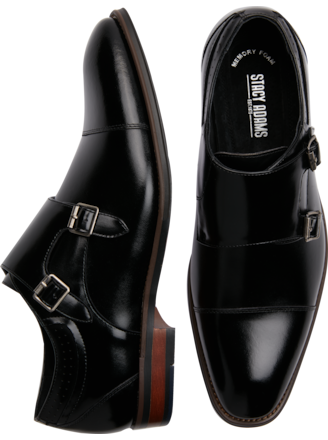
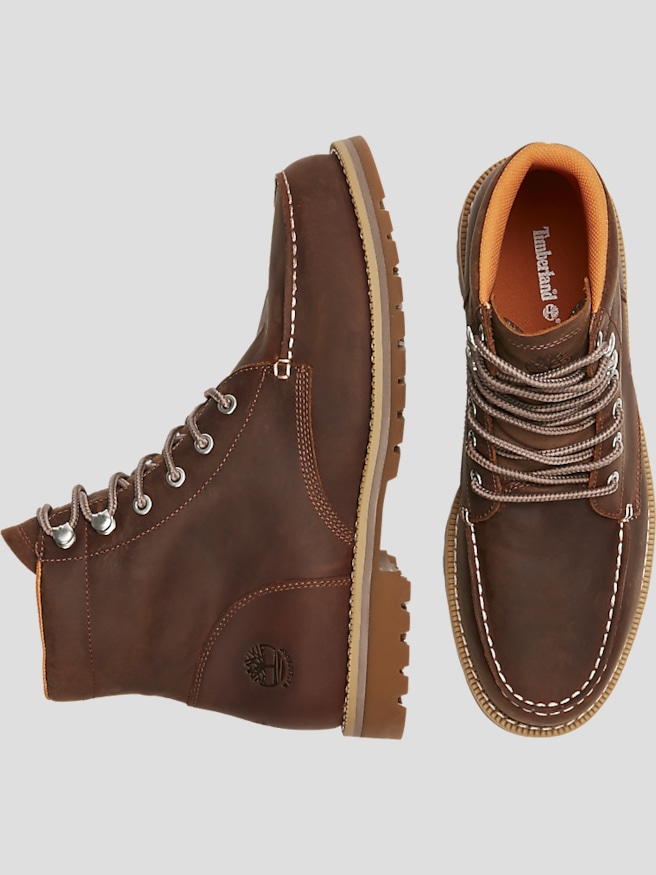
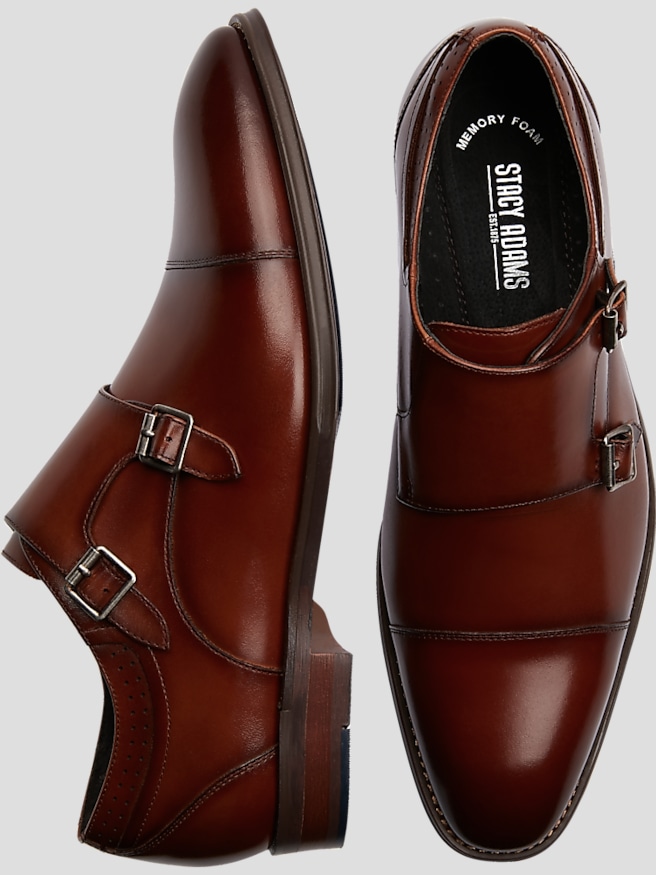
Premium casual shoes bridge the space between athletic footwear and traditional dress shoes, pairing a relaxed shape with materials that look at home alongside tailored clothing. Their appeal is easy to see in an outfit built around dark jeans, a fine-knit polo, and an unstructured jacket: the footwear feels comfortable and approachable without making the rest of the outfit look unfinished. Leather and suede play an important role in that balance. Nappa leather is known for its soft, supple feel and relatively smooth surface, while pebbled leather adds visible texture that can make small surface marks less noticeable. Suede has a soft nap that gives color depth and lends a quieter, less polished finish to casual tailoring. None of these materials is automatically better than another; the right choice depends on the look, feel, and care routine that suit the wearer. Smooth leather offers a clean backdrop for simple stitching and restrained detailing, while suede brings texture to combinations of cotton, denim, and knitwear. Construction matters just as much as the upper material. Even stitching, securely finished edges, and a well-shaped heel help distinguish thoughtfully made footwear from shoes that merely look sleek at a glance. A lining that feels smooth against the foot and an interior without rough seams can make a meaningful difference over several hours of wear. Lightweight foam components can reduce weight and provide cushioning, while rubber contact surfaces can contribute traction and abrasion resistance. The exact balance varies by design, so a substantial-looking sole should not be mistaken for a heavy one, and a soft initial feel does not establish long-term support. For everyday use, the strongest combination is a refined silhouette, a comfortable interior, and construction suited to the amount of walking the day involves. These details give elevated casual footwear its versatility, whether the destination is a relaxed office, a dinner reservation, or an afternoon spent moving between appointments.
Fit determines whether that versatility translates into shoes that actually get worn. A good fit holds the heel securely without pinching, supports the middle of the foot without squeezing, and leaves room for the toes to lie naturally rather than bunch together. Slight movement at the front is normal, but repeated heel slipping, pressure over the little toe, or laces pulled excessively tight can signal a mismatch in size or shape. Leather may soften with wear, but shoes that feel painfully tight should not be treated as a break-in project. Foot shape matters alongside length: someone with a broad forefoot may need more width even when the measured size seems correct, while a narrower heel can benefit from a more secure rear fit. Trying shoes with the socks intended for regular wear gives a more useful impression than relying on size alone. Feet can also change in volume throughout the day, making a later-day fitting helpful for judging all-day comfort. A short walk should feel stable through the heel and forefoot, with no hard edge pressing into the ankle and no uncomfortable crease digging into the toes. Intended use helps narrow the decision further. For a desk-based workday with short walks between meetings, a streamlined leather sneaker can complement chinos and a tucked-in shirt. For a full day on foot, cushioning, flex, and outsole traction deserve closer attention than decorative details. Minimal detailing and a low-profile shape generally work more easily with tailored trousers, while stronger texture and a more substantial sole tend to suit denim and relaxed pants. The trouser hem should fall cleanly rather than gathering heavily over the shoe, allowing the silhouette to remain visible. A coordinating belt can bring an outfit together without requiring an exact color match. When an occasion calls for a more traditional finish, the Dress Shoe Brands For Men collection offers another direction to consider. Casual footwear can sharpen an everyday outfit, but a stated formal dress code still takes priority.
Consistent care helps preserve both appearance and comfort, especially when premium materials are part of the appeal. Smooth leather benefits from having loose dust removed with a soft cloth or brush before any cleaner is applied. A leather conditioner appropriate to the finish can help maintain suppleness, but using too much may leave residue or alter the surface. Testing any treatment on a discreet area is a sensible precaution. Suede needs a separate approach: a dedicated suede brush can lift the nap and remove light surface debris, while a suitable suede eraser can address some dry marks without saturating the material. Products intended for smooth leather should not automatically be used on suede, and cleaning directions supplied with the footwear should take precedence over a general routine. Soles and edges often collect the most visible grime, so careful spot cleaning there can refresh the overall appearance without overworking the upper. Shoes should dry naturally away from direct heat, which can affect leather, adhesives, and shape. Letting each pair rest between wears gives the interior time to air out; appropriately sized shoe trees can help support the shape of leather footwear without stretching it. Durability also depends on matching the shoe to the task. Refined casual footwear is designed for everyday outfits, not necessarily the repeated impact of training or the demands of specialized work. Checking outsole wear, damaged stitching, and compressed interior cushioning can help identify when attention is needed. For gifting, understated casual shoes can suit a partner, parent, brother, or friend who enjoys looking put together without dressing formally every day. The most useful clues are the recipient’s established size, preferred width, usual clothing, and favored shoe shape—not just an appealing color. Someone who lives in dark denim may appreciate a different finish than someone who regularly wears tailored separates. Thoughtful footwear earns a place in a wardrobe by fitting comfortably, complementing familiar clothes, and remaining straightforward to maintain long after the first wear.