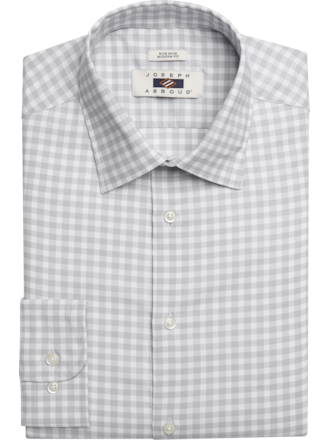
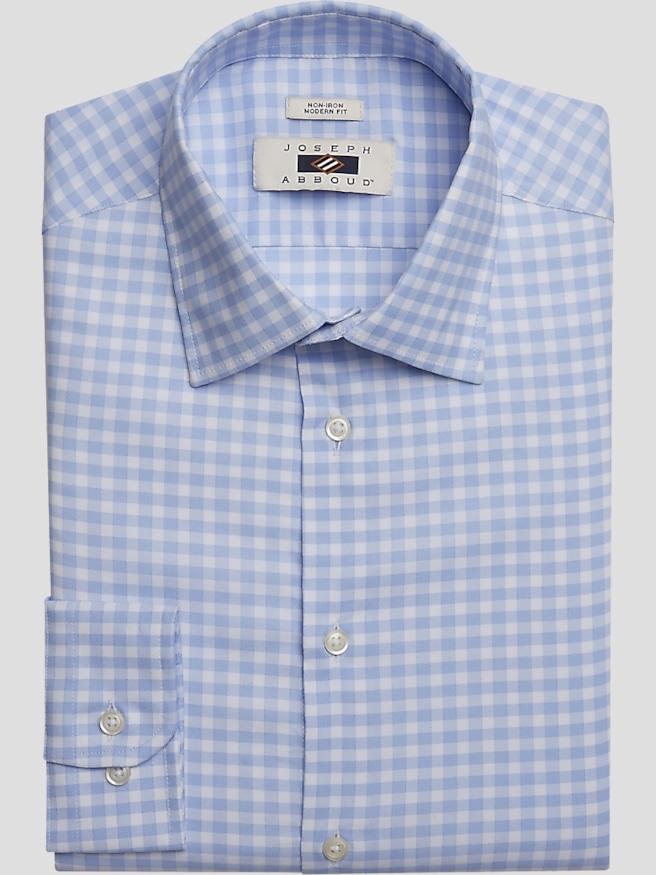
Gingham clothing is defined by a balanced pattern of evenly spaced checks, traditionally woven with white and colored yarns that cross to create light, dark, and overlapping midtone squares. That simple structure gives gingham its recognizable clarity: more geometric than a floral, more rhythmic than a stripe, and typically less complex than a multicolored plaid. Although often associated with lightweight cotton and casual dressing, gingham also has a place in tailored outfits and cooler-weather layers. Its character depends on the size of the checks, the contrast between colors, and the texture of the fabric. Small navy-and-white checks can look almost like a solid from across a room, then reveal their detail up close. Larger black-and-white or red-and-white checks make a stronger visual statement, especially when surrounded by quiet, solid-colored layers. Blue checks bring an easy familiarity to everyday clothing, while deeper tones work comfortably alongside charcoal, dark denim, and brown leather. In menswear, the pattern is especially familiar on button-front shirts, where straight plackets, collars, and cuffs give the checks a clean framework. A closer look at Men's Gingham Shirts connects that classic pattern with a versatile part of an everyday wardrobe. Gingham can feel relaxed at a weekend breakfast, polished in a business-casual office, or thoughtfully dressed for dinner without requiring a complete change in personal style. Its appeal comes partly from that flexibility: the pattern adds interest, but its repeated shapes remain easy to combine with familiar clothing. For someone accustomed to solid shirts, a fine gingham check offers a manageable step into pattern. For someone who already enjoys patterned clothing, a bolder check provides a clear focal point beneath a jacket or sweater. Unlike motifs tied closely to a particular celebration or season, gingham can move through much of the year, with fabric weight and surrounding layers doing more to set the mood than the checks themselves. It is a practical choice for wardrobes that need to cover both ordinary routines and occasions calling for a little extra polish.
The feel and performance of gingham clothing come from its fabric and construction, not from the check pattern alone. Cotton is a traditional foundation because it can provide breathability, softness, and a crisp surface that shows the squares clearly. A lightweight cotton weave may sit comfortably beneath a sweater, while a denser fabric can offer more substance when worn on its own. Cotton blends may be designed to improve wrinkle resistance, drying time, or ease of care, though the fiber label and care instructions are more useful than appearance when judging those qualities. A small amount of stretch can add comfort through the shoulders and elbows during a commute or a long afternoon at a desk, but stretch does not replace a suitable fit. Linen blends can give gingham a more textured, relaxed finish, while brushed cotton lends softness and a warmer feel for the cooler months. Smooth, tightly woven fabric tends to make the pattern look sharper; a softer finish can make the same colors feel more casual. Fit changes the effect just as much. A close-cut shirt can sit neatly beneath tailoring when it leaves enough room to reach forward without pulling across the back. A roomier cut supports easy movement and a relaxed silhouette, particularly with casual trousers. Shoulder seams should generally sit near the shoulder edge, and a fastened placket should lie flat rather than strain into gaps. With a collar buttoned for a tie, the neck needs comfortable breathing room; with an open collar, the neckline should still hold its shape. Sleeve length matters under a jacket, while hem length helps determine whether a shirt is better suited to tucking or wearing untucked. Checks make pulling and distortion easy to notice, so an otherwise appealing pattern benefits from an unforced drape. Neat stitching, securely attached buttons, and well-finished seams also contribute to everyday durability. Careful pattern alignment at prominent details can give a garment a more considered appearance, although matching alone does not establish quality. For repeated wear, sound construction and fabric suited to the intended use matter more than a check that looks striking only on a hanger.
Gingham fits naturally into outfits built around straightforward contrasts. A small check beneath a solid navy jacket adds detail without competing with the jacket’s shape, making the combination appropriate for many business-casual workplaces, presentations, and dinners. With charcoal trousers, the same pattern can feel restrained and professional; with chinos or dark jeans, it takes on a more relaxed character. A solid crewneck sweater leaves just a glimpse of checks at the collar, while a cardigan allows more of the pattern to show. During the cooler months, these layers give lighter fabrics a longer wearing season without making the outfit visually busy. When a tie is appropriate, a solid or subtly textured option gives the check room to register. Multiple patterns can work together, but noticeably distinct scales help keep them from blurring into one another. Occasion still matters: gingham is comfortable territory for casual gatherings and many daytime celebrations, whereas a strict formal dress code generally calls for more traditional formalwear. For gifting, gingham clothing can suit a graduate building a work wardrobe, a partner who favors classic patterns, or someone who appreciates clothing that transitions from a desk to a restaurant table. Familiar colors and a known fit usually make a more dependable choice than an unfamiliar silhouette. Lasting usefulness also depends on care. The garment’s label should set the washing, drying, and ironing routine, since fibers, finishes, and construction vary. Sorting colors, avoiding excessive heat where instructed, and promptly removing garments after washing or drying can help preserve their appearance. Cotton may need pressing for a crisp finish, while some blends require less attention; neither assumption should override the label. Smoothing the collar, cuffs, and placket makes a particular visual impact because those areas frame the repeating checks. Hanging clothing with room around it, treating marks promptly according to the fabric’s needs, and repairing a loose button before it falls off all support continued wear. With thoughtful fabric choices and ordinary upkeep, gingham brings recognizable detail to clothing intended for real schedules, repeated use, and a broad range of everyday settings.