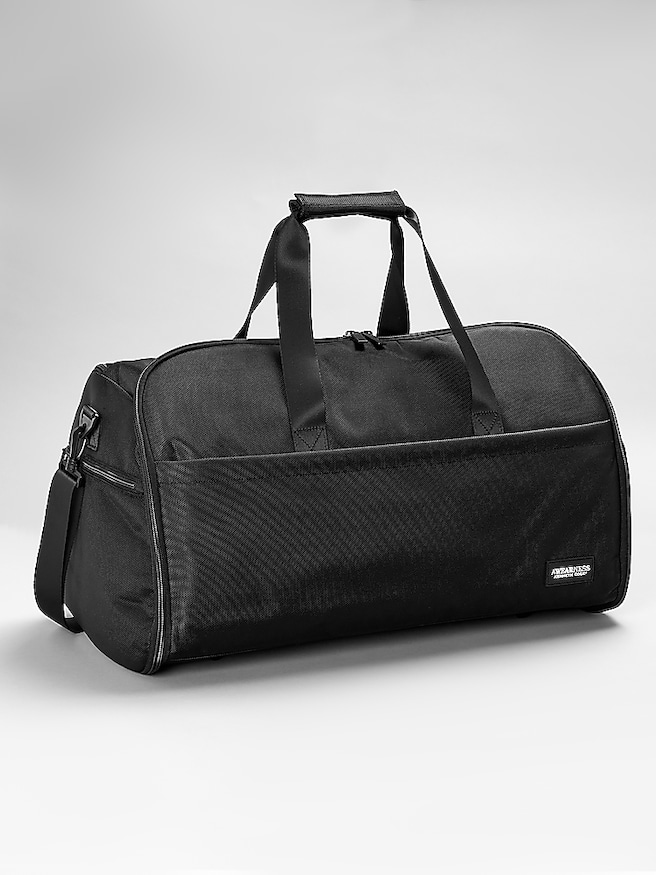
A garment travel bag is luggage designed to carry hanging clothing with fewer folds than a conventional suitcase, helping protect suits, sport coats, dress shirts, and other occasion-ready pieces during transport. Its main purpose is to keep clothing contained, organized, and less compressed, although no bag can guarantee a wrinkle-free arrival. For a business trip, a wedding weekend, or an overnight stay before an important presentation, that extra protection can make unpacking simpler and help preserve the shape of a carefully chosen outfit. Traditional folding garment bags usually open into a longer panel that accommodates clothing on hangers, then fold into a more compact shape for carrying. Convertible garment duffels combine a garment section with space for additional belongings, bringing hanging clothes and everyday travel essentials together in one piece of luggage. A slim garment cover serves a different purpose: it can be convenient for carrying an outfit across town or keeping it separate in a car, but it may offer less structure and fewer carrying features than a bag built for longer trips. The right fit depends on the clothing as much as the itinerary. Interior length matters for longer jackets and coats, while width and depth affect how comfortably the bag accommodates broad shoulders, thicker fabrics, or several outfits. Enough room around a jacket’s shoulders and lapels helps avoid the pressure that can flatten tailoring. Hanger attachments, when included, can help prevent clothes from slipping to the bottom, and interior straps may limit shifting without requiring garments to be tightly compressed. Exterior dimensions deserve equal attention, especially when a bag folds or changes shape after packing. Airline carry-on rules vary, and a garment bag’s appearance alone does not establish whether it meets a particular carrier’s requirements. For travelers moving between a car, an airport, and a hotel, comfortable handles, an adjustable shoulder strap, or a luggage-handle sleeve can make the difference between an awkward extra piece and a manageable part of the trip.
Materials influence a garment travel bag’s weight, flexibility, protection, and long-term care. Nylon and polyester are common choices because they can provide a useful balance of durability and relatively light construction. The fabric’s weave, thickness, backing, and finish all matter; a material name by itself does not establish how well a bag will stand up to repeated travel. Water-resistant fabric can help shield clothing from light splashes, but it should not be confused with waterproof protection, particularly around zippers and seams. Canvas can offer a substantial feel, while leather details may reinforce handles or add a polished finish, with care needs that differ from those of synthetic fabric. A smooth interior lining helps reduce friction against clothing, and covered hardware can help keep exposed fasteners from catching delicate fabric. Construction is especially important at points that carry weight: handle attachments, shoulder-strap anchors, zipper ends, and the areas surrounding hanger supports. Reinforced stitching and securely attached hardware are useful details for a bag that will be lifted repeatedly from a trunk, carried through a terminal, or hung in a hotel closet. Zippers should move smoothly without requiring the sides of an overfilled bag to be pulled together. Packing capacity also has a practical limit; adding another jacket or forcing shoes into a crowded compartment can increase pressure on both the clothing and the bag. Separate shoe storage, where included, helps keep soles away from clean garments, though a protective shoe pouch adds another barrier against dirt. Care is generally straightforward when it follows the bag’s material and manufacturer’s directions. Many fabric exteriors can be wiped with a soft, damp cloth, while leather accents may need an appropriate leather-care product. Machine washing is not suitable for every construction, especially when a bag includes stiffeners, coatings, or multiple materials. Letting the bag dry fully before closing it, removing debris from pockets, and storing it without heavy objects on top can help maintain its shape and condition between trips.
The value of a garment travel bag becomes clear in the small moments surrounding an event: lifting a suit from the car without dragging the hem, finding a tie without opening every compartment, or hanging a jacket as soon as a hotel room is ready. For someone traveling to a wedding, the bag may carry a complete outfit with a dress shirt, belt, and accessories kept close at hand. For a frequent business traveler, it may separate presentation-ready clothing from casual layers and toiletries. A performer, event host, or graduate heading to a ceremony may appreciate the same organized approach. Pocket placement matters in these situations. Smaller compartments can keep cuff links, collar stays, and a pocket square together, while a larger section may accommodate folded shirts without placing hard objects against a jacket. Toiletries are better contained in a separate, leak-resistant pouch rather than placed loose beside clothing, and heavier accessories should not press directly against lapels or buttons. A bag with an easy-to-open garment section can also make the transition from packed luggage to a closet more convenient. Clothing that has been folded for travel often benefits from being hung promptly, with any steaming or pressing done according to its care label. The bag supports that routine rather than replacing proper garment care. Travelers comparing luggage layouts can consider how a garment carrier fits alongside the broader options in Men's Travel Bags, particularly when deciding between a separate suit carrier and a design that also holds everyday essentials. As a gift, a garment travel bag can be a thoughtful choice for someone starting a role that involves business travel, attending several formal occasions, or building a dependable travel setup. The most useful match reflects how that person actually packs: one carefully selected outfit for a short visit, several changes for a longer stay, or formal clothing carried separately from a main suitcase. Comfortable handling, suitable garment space, and construction suited to repeated use give this practical accessory its lasting appeal.