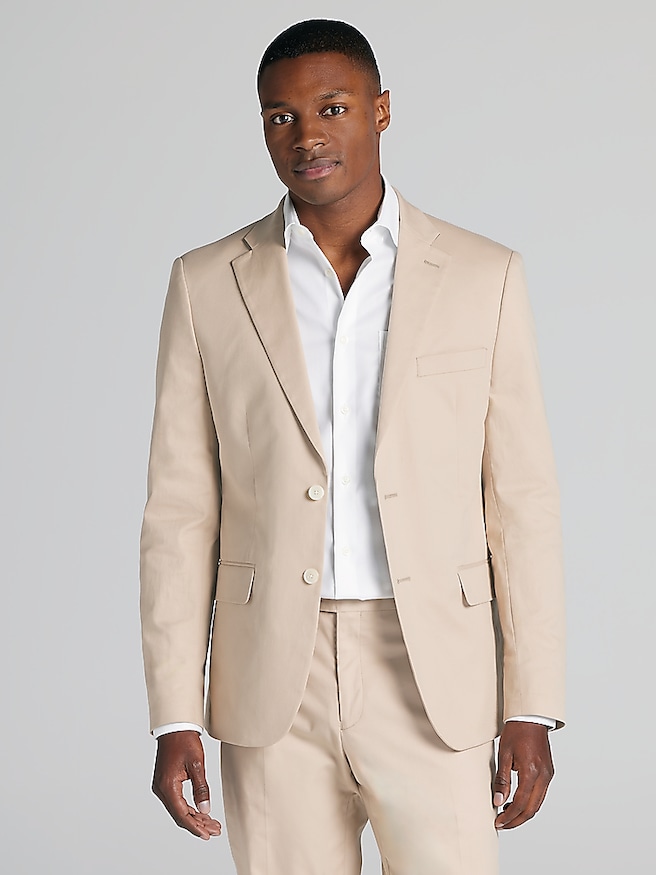
A garden wedding suit brings tailored structure to a setting shaped by flowers, greenery, stone paths, and open lawns. The look is polished enough for a meaningful celebration, with color and texture that feel at home beside a rose-covered arbor or a formal courtyard. Garden wedding suits often feature shades such as sage green, tan, light gray, soft blue, or navy, but the invitation’s dress code matters more than the setting alone. A ceremony among hedges can be every bit as formal as a ballroom celebration. For a groom, a coordinated jacket and trousers create a foundation that can be distinguished with a vest, a textured tie, or a boutonniere that echoes the flowers. Groomsmen can share the same suit color while using subtle accessory differences to keep the groom’s outfit distinct. Guests generally benefit from a quieter interpretation of the wedding palette rather than an exact match to the wedding party. Stylish Garden Wedding Guest Suits In Sage Green offer a muted color direction that complements botanical surroundings without relying on a bold pattern. Navy provides a more traditional alternative, while medium gray creates a neutral backdrop for floral ties and softly colored shirts. Pale neutrals can feel relaxed yet refined, although white and near-white outfits deserve particular care when the couple has not requested them. Solid fabrics keep the overall appearance clean in group photographs; a restrained check or a fine woven texture adds interest at closer range. A two-piece suit often strikes the right balance for a garden ceremony and reception, while a three-piece suit adds another layer of formality. When an invitation specifies black tie, the appropriate formalwear takes priority over a suit chosen simply for its color. The strongest garden wedding outfit respects the celebration first, then uses thoughtful details to connect with its surroundings.
Fabric influences how a garden wedding suit looks, moves, and holds its shape through the ceremony, photographs, dinner, and dancing. Linen has a distinctive, slightly irregular texture and a naturally relaxed drape; visible creasing is part of its character rather than a sign of poor quality. A linen blend can soften that effect, depending on the other fibers and the weave. Cotton offers a matte finish and a more grounded feel, though some cotton fabrics crease noticeably after sitting. Wool can provide a smoother appearance, good drape, and natural resilience, with fabric weight and construction determining whether the finished suit feels fluid or substantial. Breathability is not determined by fiber alone: an open weave, lining coverage, and the structure inside the jacket also affect the experience of wearing it. A softly constructed shoulder can create an easy silhouette, while a more structured jacket gives the chest and shoulders clearer definition. Neither approach replaces a sound fit. The jacket should rest cleanly across the shoulders, with the collar sitting close to the shirt rather than standing away from the neck. Buttoned at the intended fastening point, it should lie comfortably through the torso without pronounced pulling or an exaggerated gap. Slim, tailored, and classic fits describe broad silhouettes, not guarantees of how a suit will sit on an individual build. Room through the upper back, seat, and thighs matters when the day includes reaching for a handshake, sitting through dinner, or joining the dance floor. Trousers should fall smoothly from the waist, with a hem that complements the shoes instead of bunching heavily around them. A fitting is especially useful for checking the complete outfit while seated and in motion. For wedding parties, consistent alterations and similar trouser lengths can create cohesion more effectively than asking every person to wear the same cut regardless of build.
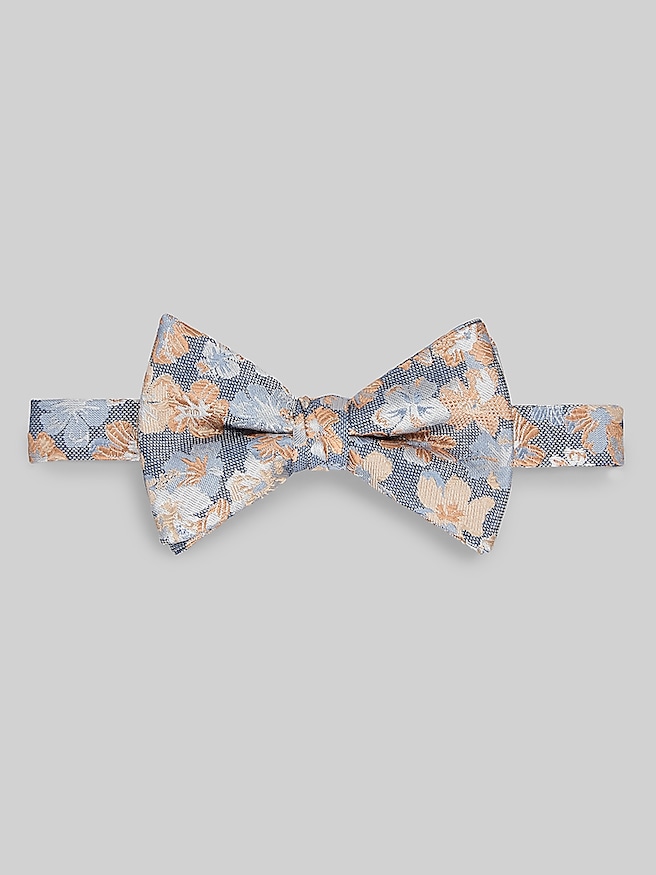
The finishing pieces give a garden wedding suit its personality without competing with the setting. A white dress shirt creates crisp contrast, while pale blue brings a softer distinction to tan, gray, or green tailoring. Subtle stripes can work when the suit and tie remain restrained; combining several prominent patterns can make an otherwise considered outfit feel busy. A textured solid tie, a small floral motif, or a subdued geometric pattern provides enough detail for close-up photographs. A pocket square does not need to duplicate the tie exactly: a shared accent color usually looks more natural than a perfectly matched set. With a boutonniere, a quieter pocket square leaves space for the flowers to stand out. Shoes also need to suit both the dress code and the route between ceremony and reception. Leather lace-ups give a traditional finish, while refined loafers can work with a less formal invitation. Secure fit and dependable traction matter on gravel walks and uneven paving, and trouser hems that clear the ground help protect the fabric along lawn edges. Beyond the wedding, a well-chosen suit can serve at anniversary dinners, milestone celebrations, and other occasions where coordinated tailoring feels appropriate. Restrained colors and durable construction make that broader use easier, though a suit jacket does not automatically work as a separate blazer; its fabric, buttons, and structure influence how naturally it pairs with other trousers. Care helps preserve both appearance and useful life. Following the garment’s care label, addressing marks promptly with an appropriate method, and avoiding unnecessary cleaning can reduce wear. A supportive hanger helps maintain the jacket’s shape, while careful trouser storage preserves the crease. Professional pressing or suitable steaming can refresh the finish when the fabric permits it. For someone giving a wedding-related gift, a thoughtfully chosen tie, pocket square, or pair of cufflinks can complement the occasion without requiring the precise measurements that a suit demands.