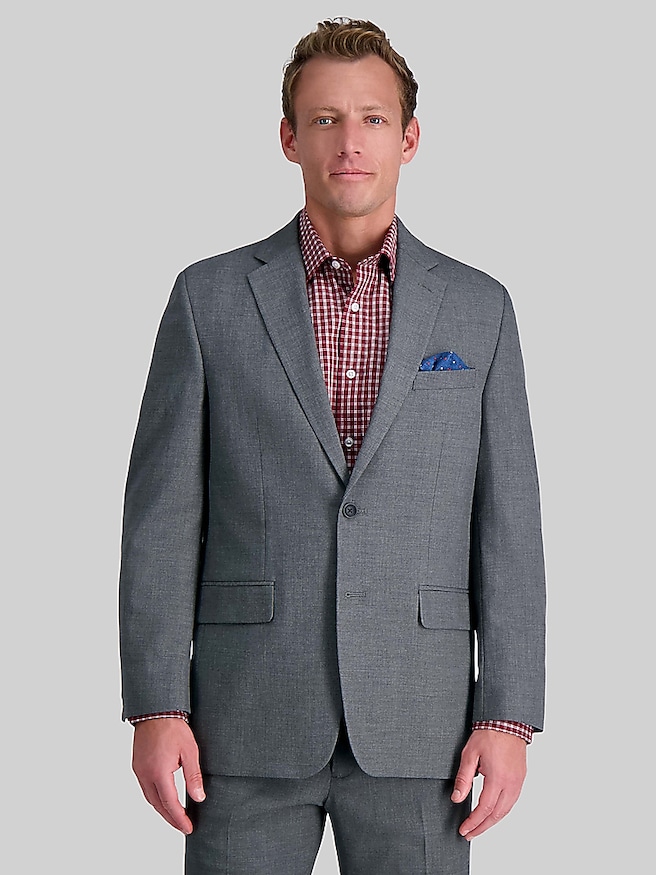
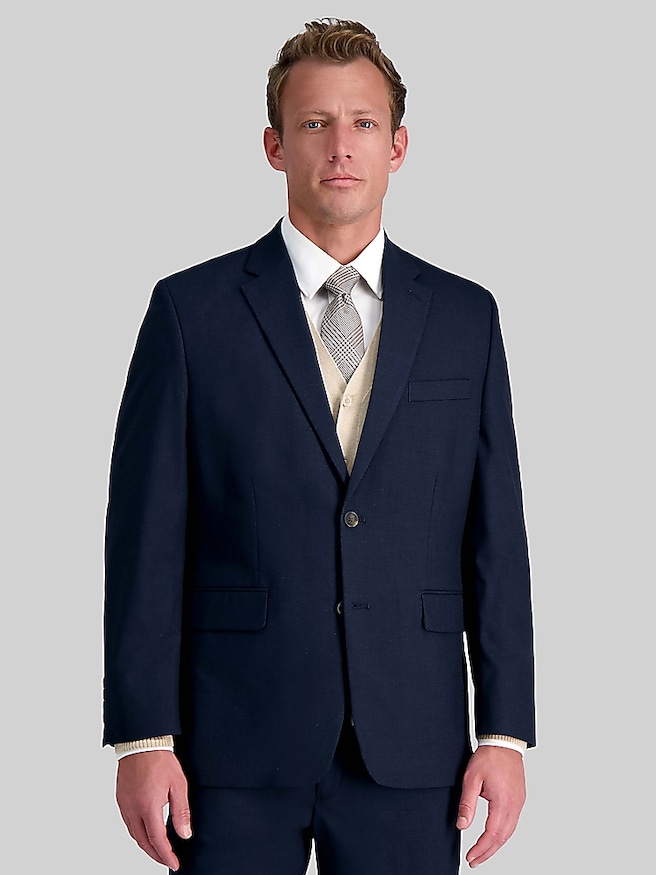
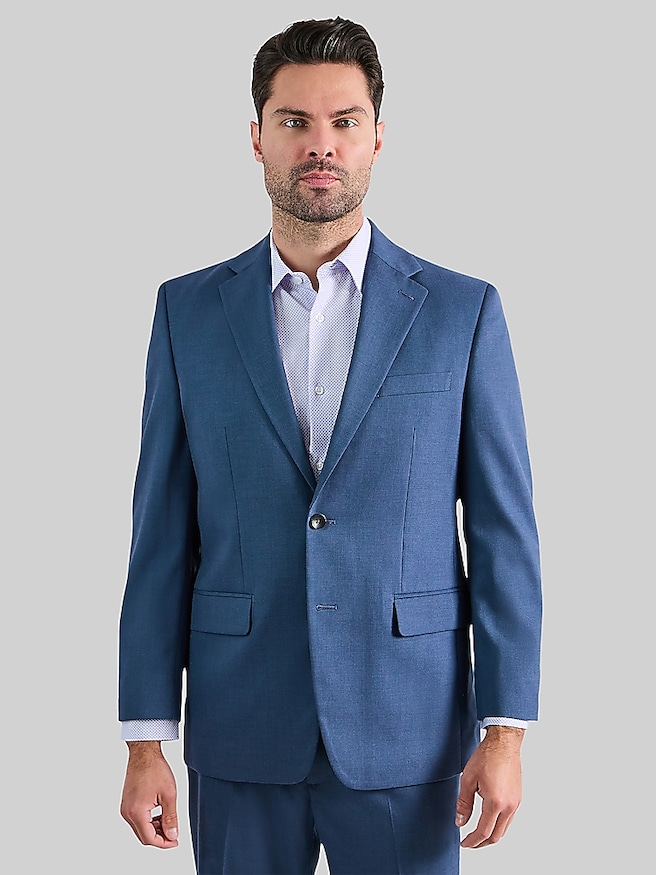
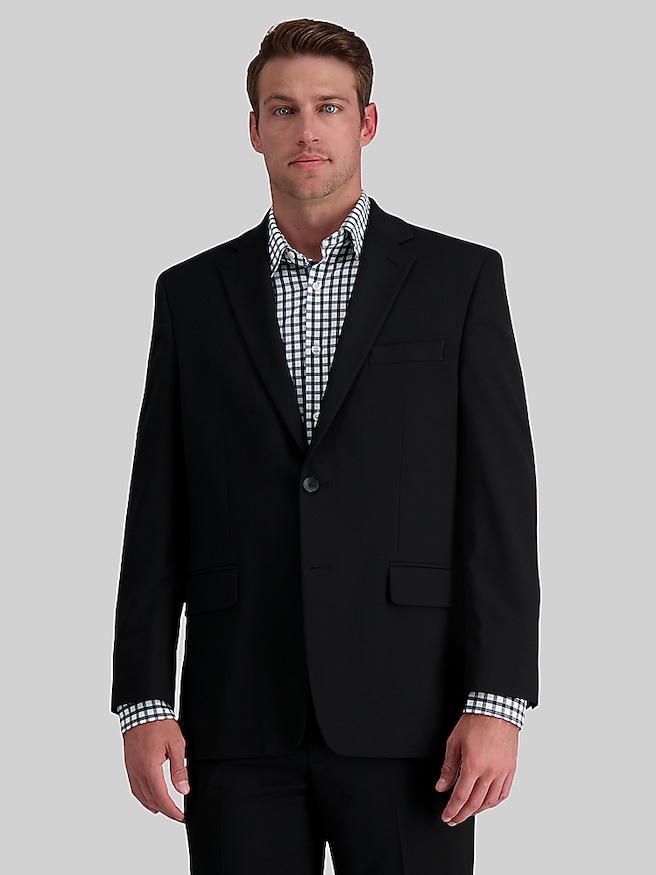
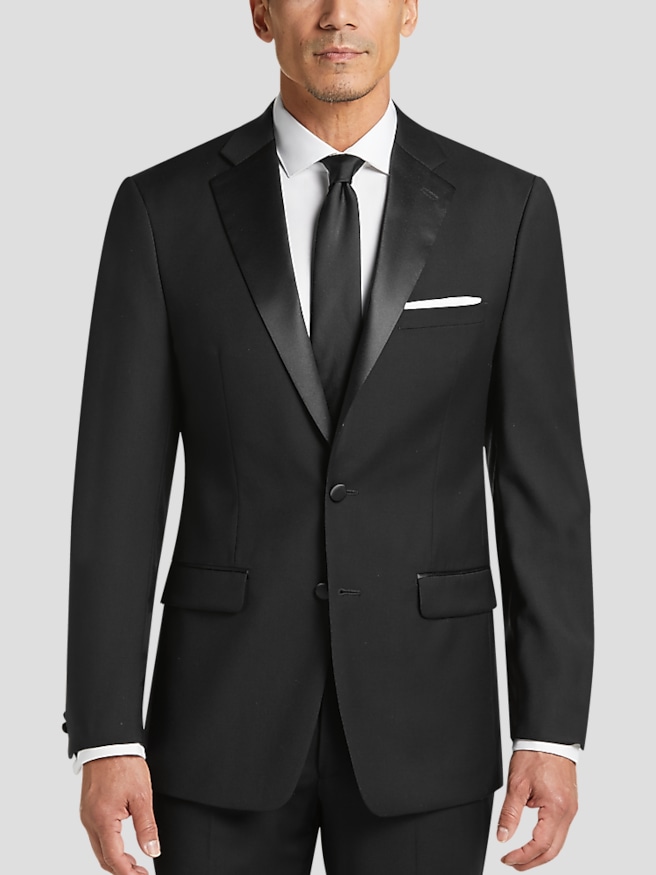
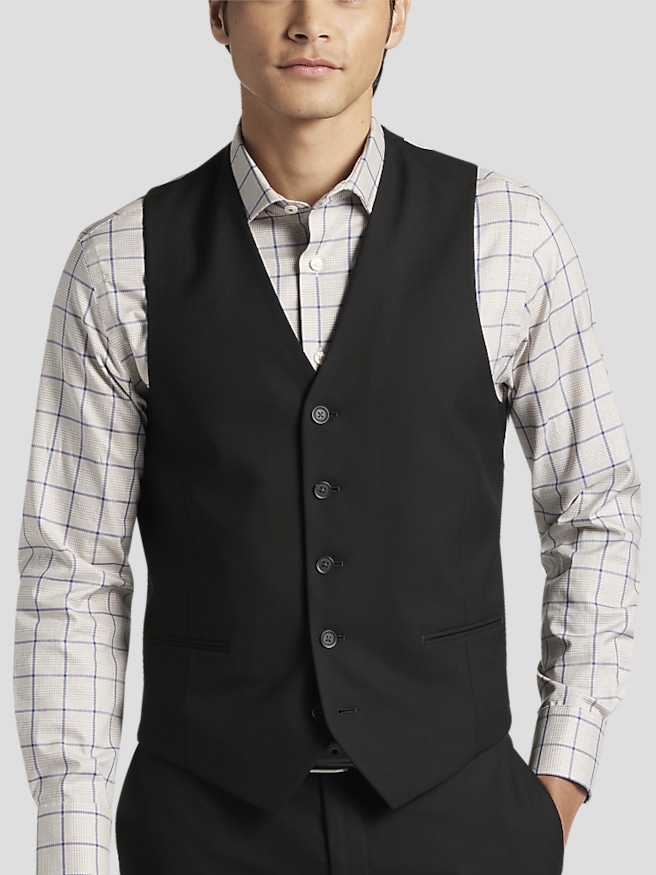
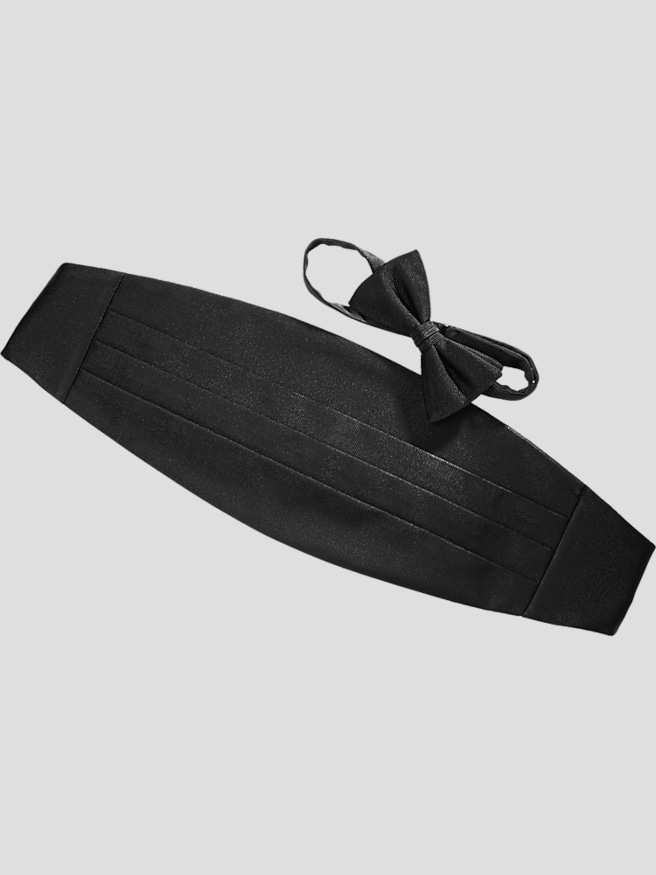
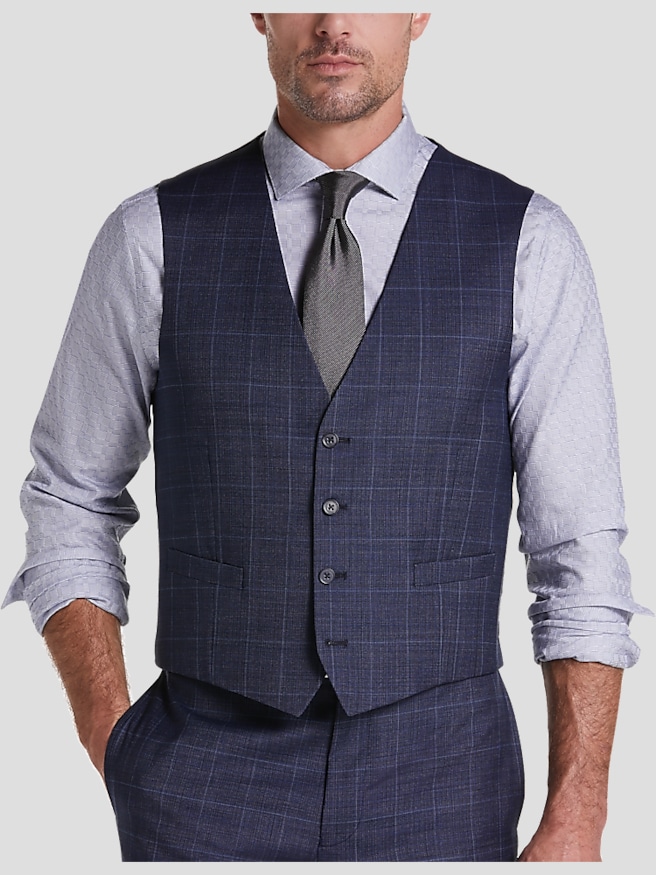
Fraternity formal vests bring a distinctive sense of tradition to chapter banquets, initiation ceremonies, alumni gatherings, formal dances and other occasions where a standard suit can benefit from a little more personality. The classic formal waistcoat is often made from smooth satin or a satin-like fabric and features a clean five-button front, a shaped neckline and an adjustable back for a comfortable, close-to-the-body fit. Worn over a crisp dress shirt and beneath a suit jacket, it creates a polished layered look; worn without the jacket, it gives a formal outfit a more relaxed sense of occasion while keeping the shirt and tie combination at the center of the look. Many fraternity formal vests are offered in solid, traditional colors that coordinate easily with black, navy, charcoal or gray tailoring, while others use Greek-letter details, embroidered insignia or chapter colors to make the piece feel more personal. For formal events, pay attention to the finish of the fabric, the scale of the pattern and the way the vest sits when buttoned. A vest should lie smoothly across the chest without pulling between the buttons, and the lower edge should meet the waistband of the trousers rather than stop several inches above it. An adjustable back, sometimes finished with tunnel elastic or a strap, can make a noticeable difference when sitting through a long dinner, standing for photographs or moving between a ceremony and a reception. If the vest is intended as a gift, solid colors and understated detailing are generally versatile choices, while a customized or Greek-letter style can be especially meaningful for a new member, chapter officer, graduating senior or fraternity alumnus.
The right fraternity formal vest depends largely on how it will be used. Traditional satin waistcoats are designed for dressier settings such as a gala, formal, ritual or chapter celebration, and they pair naturally with a bow tie, dress trousers, polished leather shoes and a suit coat in a complementary shade. A deeper color can add richness to a dark suit during the cooler months, while a lighter or brighter accent can bring energy to an evening event without overwhelming the rest of the outfit. Men who prefer a subtle approach can match the vest to the tie or pocket square; those who want chapter pride to be more visible may choose Greek letters or embroidered details placed on the chest or back. For additional coordination, a neatly tied Fraternity Formal Bow Ties style can echo the vest color and give the outfit a finished, intentional appearance. By contrast, quilted or lightweight fraternity vests with embroidered letters are better suited to casual chapter wear, tailgates, campus events, travel and outdoor gatherings when a formal waistcoat would feel too dressy. These outerwear-inspired layers can be worn over a sweater, flannel shirt or casual button-down, making them useful from early fall through the colder stretch of the season. Consider warmth, water resistance, pocket placement and the amount of room available for layering when choosing an everyday vest. A slim cut may look sharp over a shirt but feel restrictive over knitwear, while a slightly roomier cut offers more flexibility for changing conditions. The distinction between a formal vest and an outerwear vest is important: one is meant to refine suiting, and the other is meant to add fraternity identity and practical comfort to a casual outfit.
When comparing fraternity formal vests, look beyond color and lettering to the details that affect comfort, fit and repeat wear. Check the size chart carefully, especially if the vest is being purchased as a gift, because chest measurements and waist proportions can vary between cuts. For a formal waistcoat, the hem should cover the waistband and the armholes should allow natural movement without exposing the shirt excessively. A high-quality lining can help the vest glide over a dress shirt, while smooth buttons and reinforced seams are useful during events that involve hours of standing, greeting guests and taking group photos. If customization is part of the design, confirm that the Greek letters, colors and placement represent the intended chapter or organization accurately. Embroidered details should be legible at a distance but balanced enough to work with the rest of the outfit. In a familiar scene at a fall formal, the best-dressed groups rarely look identical; instead, their clothing shares a thoughtful thread of color, tailoring or insignia that makes the photographs feel connected without appearing overly matched. That same principle works for gifts and group purchases. A fraternity formal vest can mark a milestone, commemorate a leadership role or give a member a reliable layer for future chapter events, while a classic unbranded vest can transition easily from one occasion to the next. Prices may range from about $30 for simpler formal styles to $160 for more detailed, customized or outerwear-oriented options, so setting a budget alongside the intended use makes the selection process easier. Whether the goal is a traditional satin vest for a formal evening or an embroidered layer for cooler campus gatherings, choosing a comfortable fit, appropriate fabric and meaningful level of fraternity detail helps ensure the vest feels natural long after the event ends.