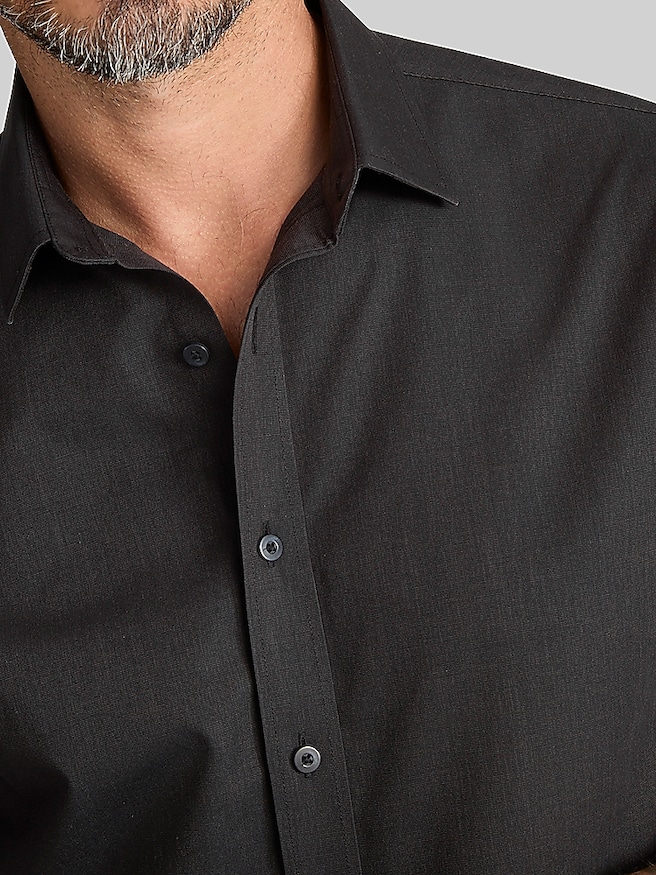
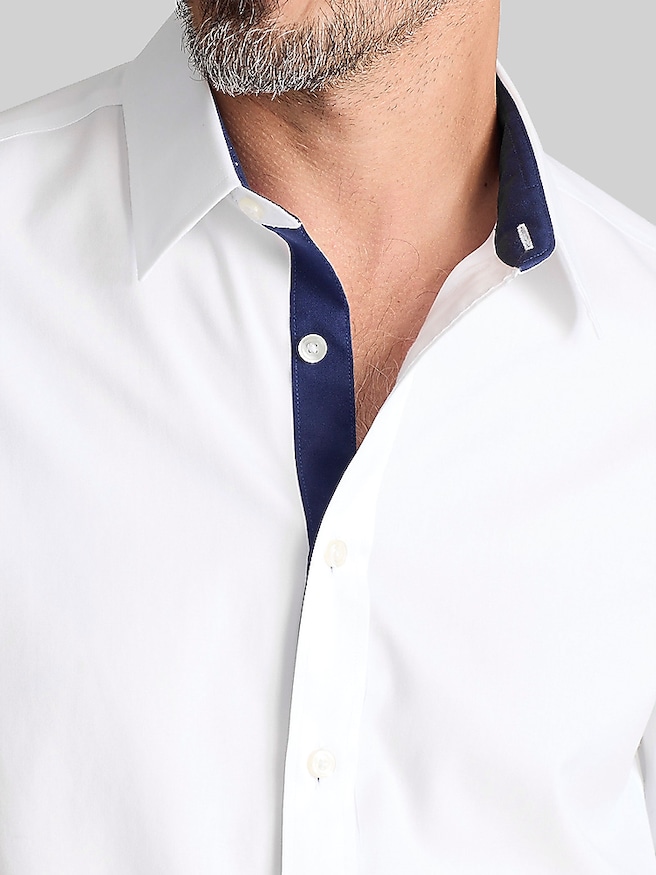
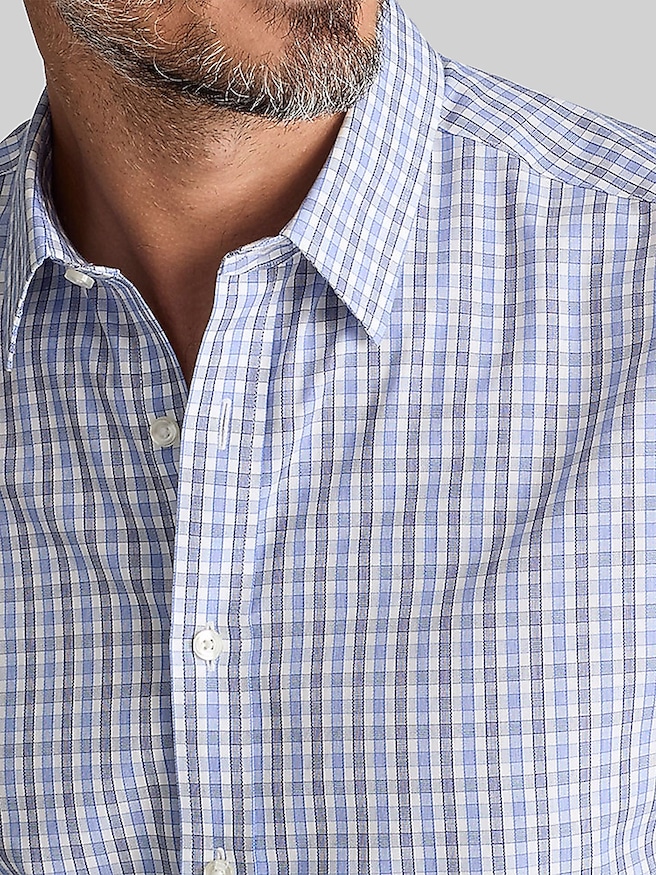
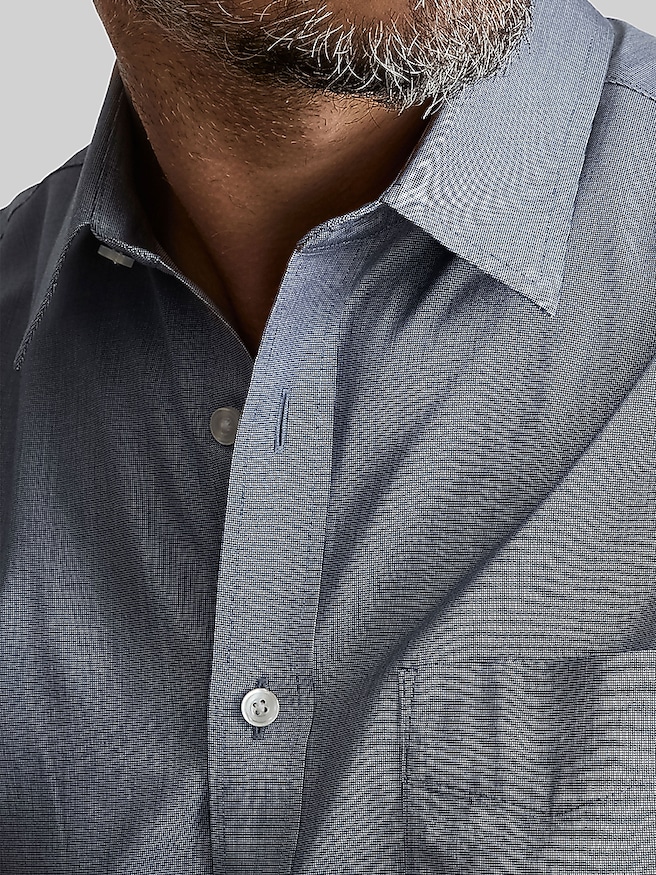
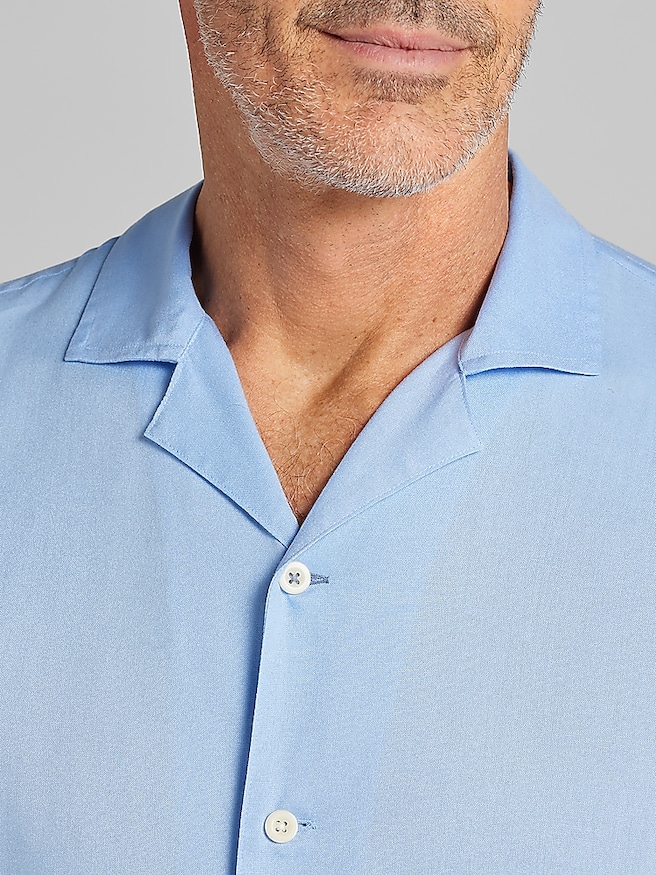
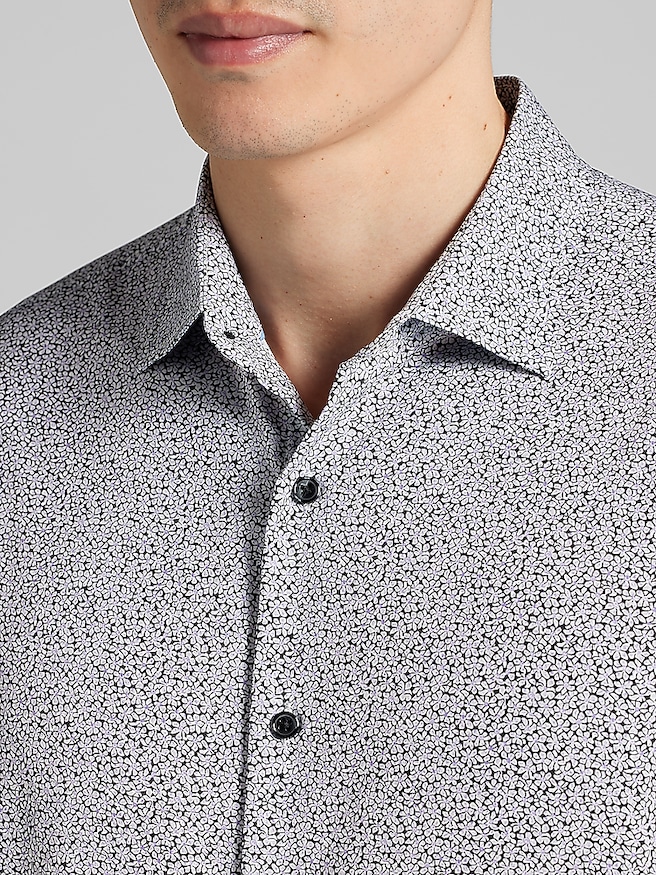
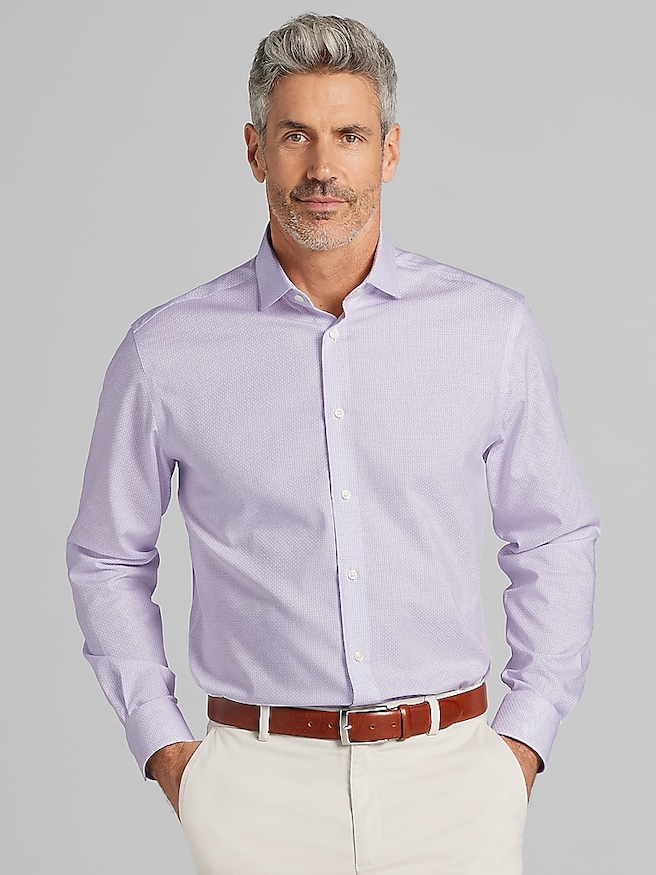
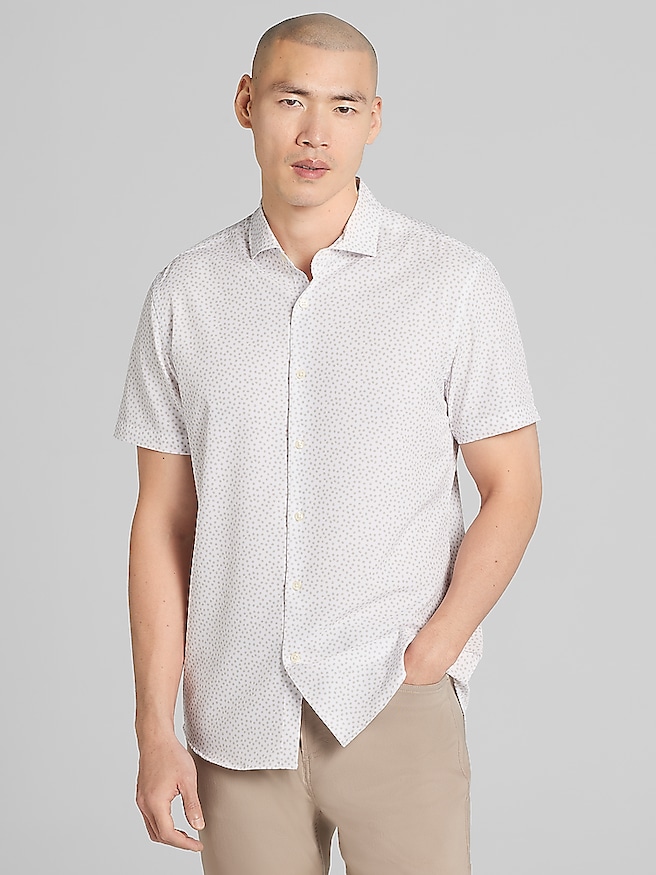
Formal short sleeve shirts for men bring the clean lines of a dress shirt to a lighter, less restrictive silhouette. A structured collar, a smooth button front, and neatly finished sleeves create a polished appearance without the coverage of long sleeves. These shirts work especially well in business-casual offices, at daytime celebrations, and for dinners where a collared shirt and dress pants suit the setting. Despite the name, short sleeve dress shirts are generally less formal than their long-sleeve counterparts; black-tie events, traditional business-formal settings, and occasions with a strict suit-and-tie dress code usually call for long sleeves. Within a more relaxed dress code, fabric and construction make a substantial difference in how refined a shirt looks. Cotton poplin has a fine, smooth surface that complements crisp trousers, while a lightweight twill can provide a slightly fuller feel and subtle texture. Cotton blends may combine breathability with easier wrinkle management, though performance depends on the fiber content, weave, and finish. A small amount of stretch can make reaching across a conference table or sitting through a long dinner more comfortable without requiring an oversized fit. Linen and linen blends offer airy texture, but their natural creasing gives them a more relaxed character than smooth dress-shirt fabrics. For a clean, understated look, white, pale blue, and restrained patterns are easy to coordinate with navy, charcoal, or tan pants. Fine stripes and small checks add interest without overwhelming the outfit, especially when the rest of the clothing is simple. Fabric opacity matters, too: a pale shirt should provide comfortable coverage under bright office lighting, not just in a softly lit room. During the cooler months, short sleeves can still make sense in heated workplaces, crowded reception spaces, or climates with mild afternoons. The strongest choices balance a dressy surface with enough airflow and ease for the places where the shirt will actually be worn.
Fit gives a short sleeve shirt much of its character, particularly because the upper arms and shoulders remain visible. Shoulder seams should sit close to the shoulder edges rather than drooping down the arms, and the chest should lie smoothly when the shirt is buttoned. Horizontal pulling between buttons suggests that more room is needed, while large folds around the waist can make an otherwise sharp outfit look unfinished. A slim fit follows the torso more closely, a tailored fit typically offers moderate shaping, and a classic fit generally allows more room through the chest and waist, although those labels vary by maker. The best silhouette is the one that stays neat while allowing normal movement. Sitting, reaching forward, and bending the elbows should not strain the back or lift the hem excessively. Sleeves often look most balanced when they finish around the middle of the upper arm, with enough space to move comfortably but without a wide, winglike opening. Collar fit deserves equal attention: an open collar should frame the neck cleanly and remain upright rather than collapsing against the chest. Shirt length determines how easily the outfit stays composed throughout the day. A longer, curved hem is typically intended for tucking, while a shorter hem can work untucked when the setting allows it and the proportions remain tidy. With dress trousers, a tucked shirt usually creates the more polished result, especially when paired with a simple leather belt and clean loafers or lace-up dress shoes. An open collar is generally the easiest match for short sleeves; when a tie is expected, a long-sleeve dress shirt is usually the safer choice. A lightweight sport coat can add structure in a business-casual setting, but short sleeves will not show a shirt cuff below the jacket sleeve. For a client lunch or an evening gathering, smooth fabric, restrained color, and well-fitted trousers often contribute more to a finished appearance than extra accessories.
Care and construction influence whether a shirt keeps that finished appearance after repeated wear. Even stitching, secure buttons, neatly enclosed seams, and a collar that holds its shape are useful details to examine. Areas that experience regular movement, including the armholes and side seams, should look tidy and feel comfortable against the skin. Heavier fabric is not automatically more durable; yarn quality, weave, finishing, and laundering habits all affect how a shirt holds up. Wrinkle-resistant treatments can help reduce creasing, but they do not guarantee a perfectly smooth shirt after a crowded commute or hours in a chair. Non-iron care requirements also vary, so the sewn-in label should take priority over a general washing routine. When machine washing is permitted, avoid overloading the drum, use the recommended water temperature, and remove the shirt promptly at the end of the cycle. If tumble drying is allowed, follow the listed heat setting and hang the shirt soon afterward to limit deep folds. Cotton may need light pressing, particularly along the collar, button placket, and sleeve hems; blends and stretch fabrics may require lower heat. A steamer can soften surface wrinkles when the fabric permits, while an iron gives sharper definition to edges. Addressing spills promptly according to the care instructions helps preserve the fabric, and a properly shaped hanger supports the shoulders between wears. For frequent office use, easy care and comfortable movement may matter most; for occasional dinners or celebrations, collar structure and a crisp finish may take priority. These shirts can also make practical gifts for a graduate building a work wardrobe, a partner who prefers lighter layers, or someone whose workplace permits polished short sleeves. Knowing the recipient’s usual fit and preference for tucked or untucked styling helps make the choice more personal. For occasions that leave room for a broader range of dressy separates, Semi Formal Tops For Men offers a related category to explore. The aim is clothing that looks considered, feels comfortable, and fits naturally into everyday plans.