The best formal gift ideas match the occasion, the recipient’s personal style, and how often they dress up. A gift for a black-tie event should work within the dress code, while a gift for a corporate executive can be polished enough for a recognition dinner without looking out of place at a client reception. A milestone celebration, such as a wedding, graduation, or retirement, leaves more room for a color or finish that feels personal. For strict black tie, understated details and a restrained palette tend to work better than a bold accent that draws attention away from the rest of the outfit. For a wedding with a formal dress code, the invitation is a better clue than the venue alone: an evening reception in a ballroom can call for a more dressed-up look than a ceremony and dinner in the same space earlier in the day. Even then, the gift doesn’t have to be something the recipient wears on the day. Someone in the wedding party may already have every detail settled, and a gift that works for future celebrations can be just as meaningful. Color is often easiest to judge in the context of a complete outfit. A dark, low-sheen finish can look crisp under bright reception lighting, while a subtle texture can bring depth to a look built around charcoal or navy. The combinations on the Formal Outfit Ideas page offer a sense of how these details work together. For someone who dresses formally only a few times a year, a color that already appears in their wardrobe gives the gift an easy place to start. For someone who enjoys dressing up regularly, a less familiar texture in a favorite color can make the gift feel fresh without asking them to change how they dress.
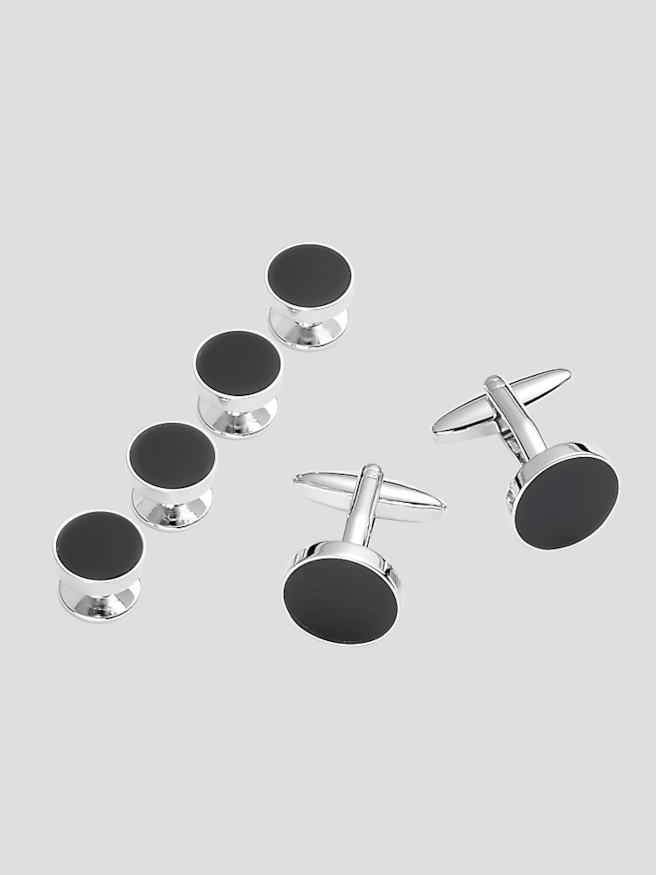
Fit is one of the biggest distinctions between a gift that looks good when opened and one that gets worn. Close-fitting formalwear is most rewarding to give when the recipient’s measurements and fit preferences are known. A labeled size is a starting point, but two people with the same measurements may prefer more or less room through the chest, a closer or easier fit at the waist, or a sharper or softer line at the shoulders. The best clue is often what the recipient already wears with confidence, especially if it has been altered to fit. In structured clothing, an adjustment at the hem or sleeve is often simpler than a change through the shoulders, where the cut does much of the work. How the recipient will spend the occasion matters as much as how the clothing looks in a mirror. A person giving a toast, sitting through a long dinner, or dancing at a reception needs enough room to move without having to fuss with the fit. When measurements are uncertain, formal accessories offer a way to choose something that reflects the recipient’s taste without having to guess at a tailored fit. That flexibility can work well for a colleague marking a promotion, a graduate building a dress wardrobe, or a family member whose formalwear is reserved for weddings and anniversaries. Professional gifts often feel most natural when they reflect an established preference, like a quiet palette or a clean finish, rather than a style the recipient would have to learn to wear. For a close friend or relative, there may be room for a more personal choice. A shade they’ve worn in family photos or a texture they’ve admired before can be a better cue than whatever looks most striking on its own.
Materials help determine where a formal gift fits into someone’s life. Fine wool can offer a smooth drape and recover well after sitting, though the weave and construction affect how it feels and holds its shape. Silk can give a formal look a soft luster and rich color, but it generally calls for more care around spills and abrasion. Smooth cotton can feel crisp and familiar, with care needs that vary by finish and construction. Blends can balance qualities such as softness, wrinkle resistance, and shape retention, so the fiber name alone does not tell the whole story. The details that show wear first are often edges, folds, or places where fabric rubs. Even stitching, neatly finished edges, and a surface that suits the expected level of wear matter more over time than how glossy or soft something feels at first touch. For someone who travels to formal events or wears dress clothing for work, easy care and good wrinkle recovery can matter as much as the initial appearance. A more delicate finish may still make sense for a recipient who enjoys wearing it for special occasions and has a place to store it properly between uses. The care label is a better starting point than a general rule about the material, since linings, finishes, and construction can affect how something should be cleaned or pressed. Between wears, keeping structured clothing supported and storing delicate surfaces away from rough materials can help preserve the shape and finish. A formal gift can mark a single occasion and still earn its place long afterward. Matching the material and upkeep to the recipient’s habits makes it more likely to be the piece they reach for when the next invitation calls for dressing up.