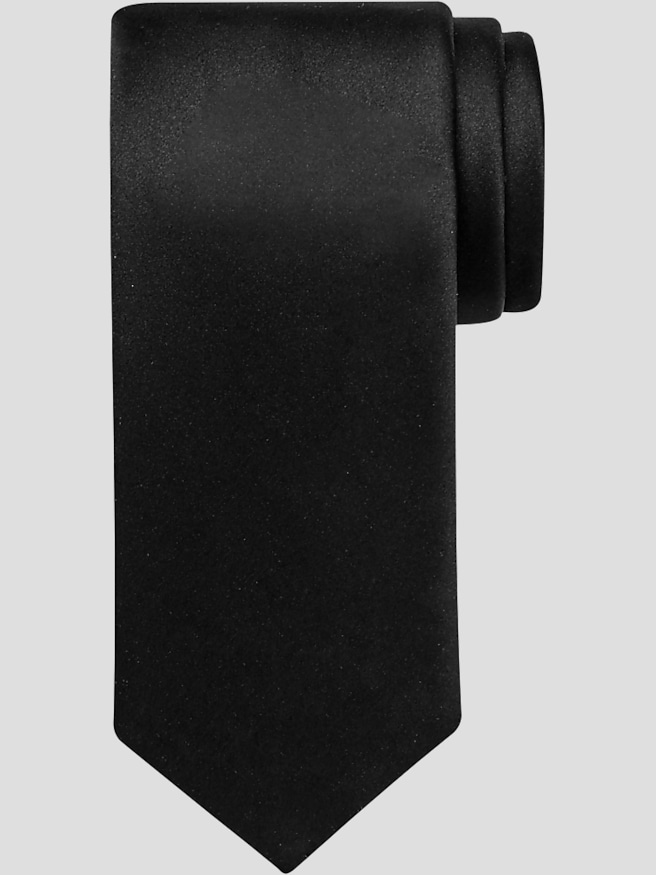
A formal accessories set for prom brings coordinated finishing touches to a suit or tuxedo, creating a consistent look through color, texture, and proportion. Depending on the design, a set may pair a necktie or bow tie with a pocket square, or bring together dress details such as cufflinks and shirt studs. The appeal is in how those pieces work together: a smooth tie against a crisp shirt, a small fold of fabric at the chest, and a subtle metallic accent at the wrist. For students dressing for a major formal event, coordinated accessories can make an unfamiliar outfit feel more personal and complete without drawing attention away from the person wearing it. The right combination takes its cues from both the event’s dress code and the clothing underneath. A traditional tuxedo calls for a more restrained approach, while a suit often leaves greater room for expressive color, woven patterns, and contrasting textures. Black accessories create a sharp outline against a white shirt; deep blue, burgundy, or emerald can introduce color without overwhelming a dark jacket. Pale tones create a softer contrast, while a small geometric pattern adds interest that becomes more noticeable up close. Coordination does not require every piece to look identical. A pocket square that picks up one shade from a tie can feel more considered than an exact fabric match, especially when the jacket already has a visible pattern. For a couple planning a shared color palette, an accessory can echo an accent in a date’s outfit rather than duplicate the entire look. Group photos also benefit from that balance: related colors can connect several outfits while leaving room for individual style. Proportion matters just as much as color. A bow tie should look balanced between the shirt collar points, and a necktie’s width should sit comfortably alongside the jacket’s lapels. Together, these details give formal prom accessories a clear purpose: making the whole outfit feel intentional.
Materials influence how prom accessories look in photographs, feel during dinner, and hold their shape through hours of movement. Silk can offer a soft hand and rich color, while polyester and microfiber fabrics can provide a smooth finish with practical resilience. Satin describes a weave rather than a single fiber, so its glossy surface may appear across several material types. That sheen creates a dressier effect under evening lighting, whereas a matte woven finish keeps the overall look quieter. Jacquard fabric adds pattern through its weave, giving a tie or pocket square dimension without relying entirely on printed color. Fabric weight also affects the result: a substantial tie can form a fuller knot, while a lightweight pocket square may fold neatly without making the jacket pocket bulge. Comfortable fit is especially important for accessories worn close to the neck or waist. Adjustable bow tie bands need enough range for the shirt’s collar size, with a secure closure that rests comfortably rather than pressing into the skin. Pretied styles offer a consistent shape, while self-tie styles allow small variations that can look relaxed and natural within a formal outfit. Necktie length should suit the wearer’s height and torso so the finished tip reaches approximately the waistband instead of stopping noticeably short or extending too far. Waist accessories deserve the same attention to comfort, particularly for sitting through dinner and moving on the dance floor. Compatibility matters for metal accessories, too. Cufflinks belong with cuffs designed to accept them, and shirt studs require an appropriate formal shirt front. A standard button-front dress shirt does not need those additions to look polished. Coordinating metal finishes with a watch or belt buckle can create continuity, though the effect should remain subtle. For anyone sensitive to certain metals, checking the stated material composition is more useful than judging by color alone. Smooth edges, sound fastenings, and neatly finished stitching help accessories feel as good as they look.
Prom accessories need to hold up beyond a quick mirror check. An evening can include a crowded car ride, dinner, outdoor portraits, and a dance floor, so secure closures and fabrics that keep their shape have practical value. A bow tie that stays centered and a pocket square that sits neatly allow attention to stay on the celebration instead of repeated adjustments. Durability often shows in the smaller construction details: even seams, finished fabric edges, a stable adjustment slider, and cufflink mechanisms that open and close smoothly. Care requirements vary by fiber, finish, and embellishment, making the care label the best starting point. Silk and structured neckwear may need professional cleaning, while some synthetic fabrics allow gentle spot treatment according to their instructions. Rubbing a fresh mark can spread it or disturb the surface, and direct heat can damage delicate fabric or decorative finishes. After wearing, ties benefit from being untied rather than stored with a tight knot, and accessories should be dry before being put away. Keeping metal pieces separate from delicate fabric helps prevent snags; a small compartmented case also keeps cufflinks or studs together for the next formal occasion. These practical details make a coordinated set a thoughtful gift for a student preparing for prom, especially when the giver knows the outfit color, shirt style, and relevant measurements. An adjustable design can offer flexibility, but it does not replace checking the stated size range. Accessories chosen with the wearer’s personality in mind may also find a place at future school dances, wedding celebrations, or other dressy events. For a less traditional outfit, Dressy Casual Prom Essentials offers a related direction when the event’s dress code allows a more relaxed interpretation. Whether the final look is understated or expressive, the most successful formal accessories support the clothing, remain comfortable through the evening, and feel natural to the person wearing them.