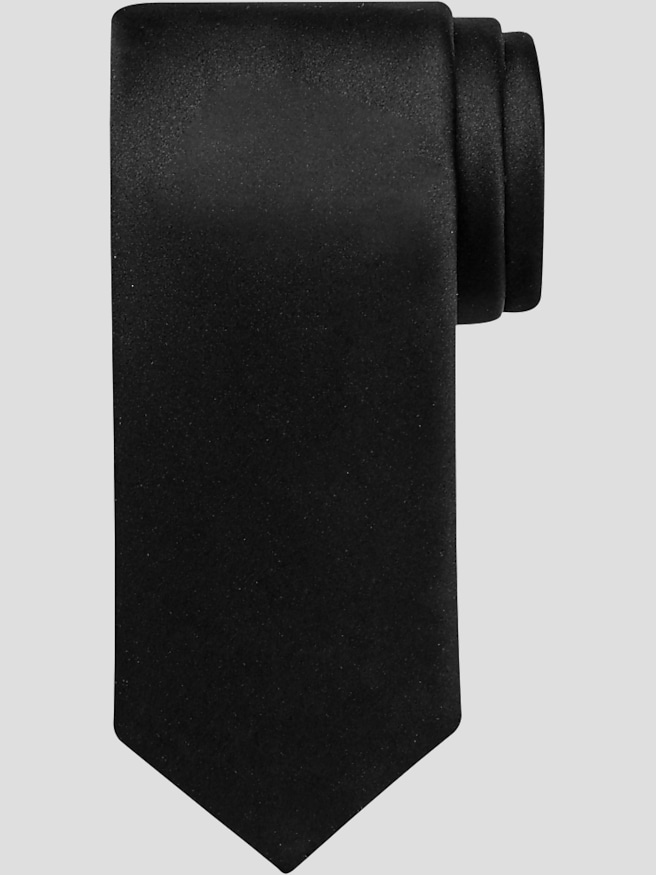
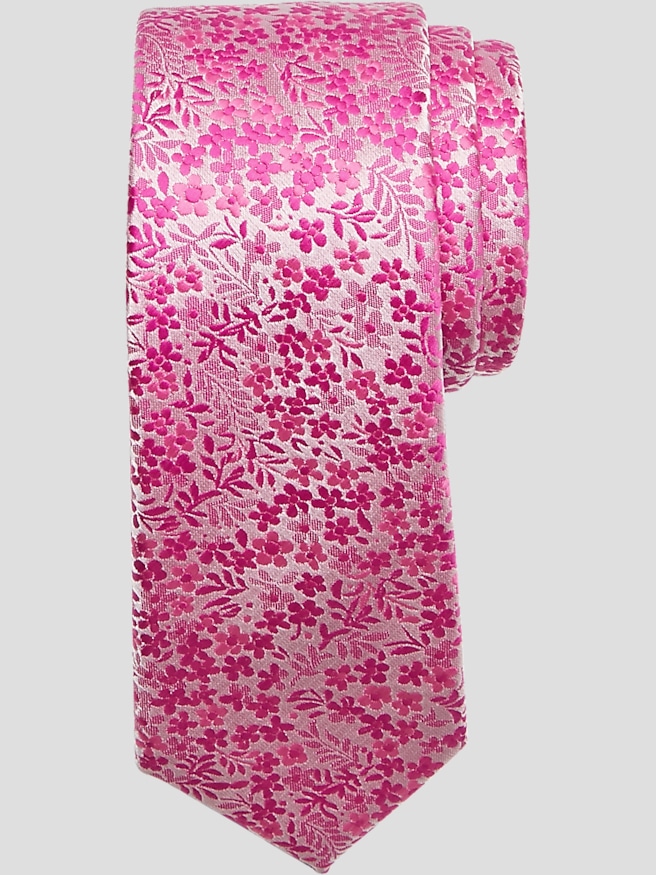
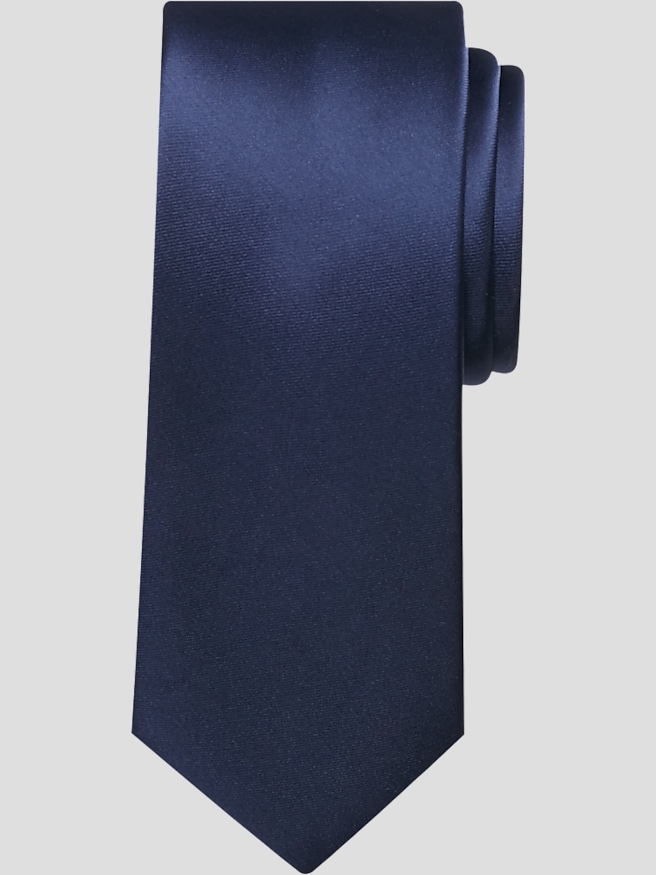
Fashion silk ties bring color, texture, and personality to a well-dressed wardrobe while retaining the polished versatility expected from silk neckwear. They can sharpen a business suit, add warmth to a wedding ensemble, or give a simple dress shirt a more considered finish for dinner, celebrations, and other special occasions. The phrase “fashion” can refer to many details, from a richly textured jacquard weave and classic paisley to modern geometrics, small dots, floral accents, or tasteful medallions. Some styles make a quiet impression through tonal color and subtle pattern, while others serve as the focal point of an outfit with bolder contrast or a distinctive sheen. Silk remains popular because it knots cleanly, drapes naturally, and catches the light without looking overly formal when paired with the right shirt and jacket. A deep blue tie with a small pattern can settle comfortably into a weekday wardrobe, while jewel tones, warm neutrals, and refined woven textures work beautifully during the cooler months. As the weather warms, lighter colors and airy shirt fabrics can keep the overall look relaxed; when evenings become cooler, a fuller silk tie worn with a structured blazer or wool suit creates a composed, layered appearance. For a dependable foundation, explore Classic Silk Ties alongside more expressive fashion-forward designs.
When comparing fashion silk ties, consider more than color alone. Width should relate to the wearer’s build and the lapel of the jacket: a balanced proportion generally looks more intentional than a tie that appears notably narrow or oversized beside the suit. Length also matters, particularly for taller wearers or anyone who prefers a larger knot. A tie should typically reach the waistband or belt area when tied, with the narrow blade resting behind the wider blade rather than hanging visibly below it. Construction influences both appearance and longevity. Three-fold construction offers a traditional balance of flexibility and structure, while five-fold construction can provide additional body, a fuller drape, and a more substantial knot. Heavier silk often forms a sculptural knot that holds its shape through a long evening, whereas lighter silk creates a softer, more fluid line. A jacquard weave is especially appealing for shoppers who want dimension without a loud shine; its pattern is woven into the fabric, creating texture that becomes visible as the tie moves. Look for carefully finished edges and secure stitching, and consider tipping—the fabric finish at the pointed end. Self-tipped ties use the same silk on the reverse of the tip, which can help the tie maintain a neat appearance and resist curling. These details are easy to overlook when shopping online, but they make a noticeable difference when a tie is worn repeatedly. A tie that slides smoothly into a knot, settles flat against the shirt, and returns to its original shape after wear is more likely to become a favorite rather than an occasional accessory.
Fashion silk ties also make thoughtful gifts because they combine personal style with practical use. They suit a son beginning his first professional wardrobe, a partner preparing for a wedding, a father who appreciates traditional menswear, or a colleague celebrating a promotion or milestone. When selecting a tie for someone else, notice the colors he already wears. Someone whose closet is filled with navy, gray, and charcoal may enjoy burgundy, forest green, copper, or a patterned blue that adds distinction without becoming difficult to coordinate. For a more conservative dresser, a small geometric motif or tonal texture offers interest while remaining office appropriate. For a confident dresser, a larger pattern, expressive color, or lustrous woven finish can bring character to a familiar suit. Silk ties are easy to use across settings: pair one with a crisp white or pale blue shirt for dependable contrast, coordinate a subtle pattern with a solid suit for business occasions, or let a quiet suit provide a backdrop for a more noticeable tie at a reception or evening gathering. Pattern mixing works best when the scales differ—for example, a small shirt check with a larger tie motif—and when the colors share at least one connecting tone. After wearing, loosen the knot carefully and hang or roll the tie rather than leaving it tightly knotted, which helps preserve the fabric and shape. With thoughtful selection and simple care, a fashion silk tie can move from warm-weather celebrations to cooler-season gatherings, adding a polished final note whenever a well-chosen outfit calls for something distinctive.