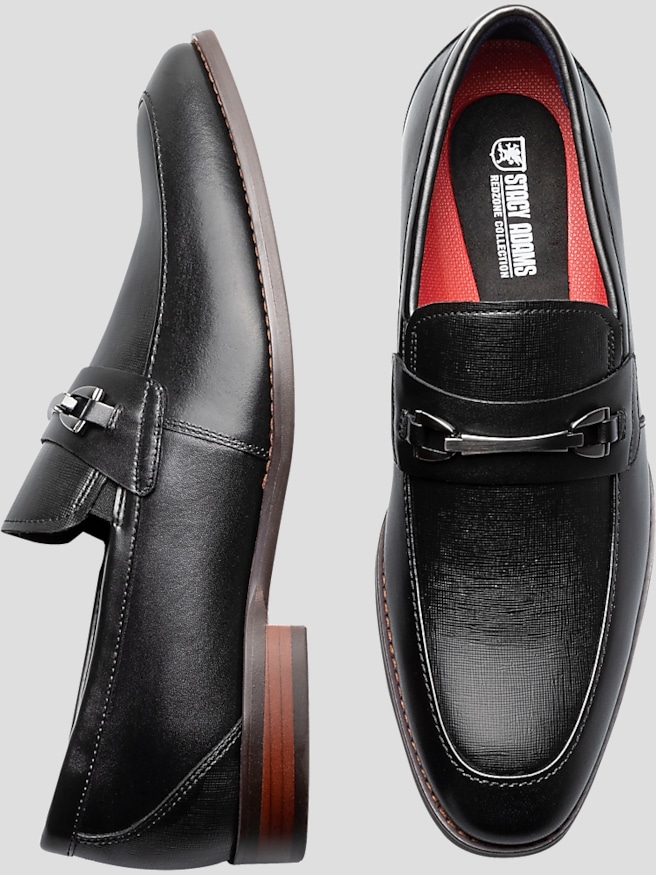
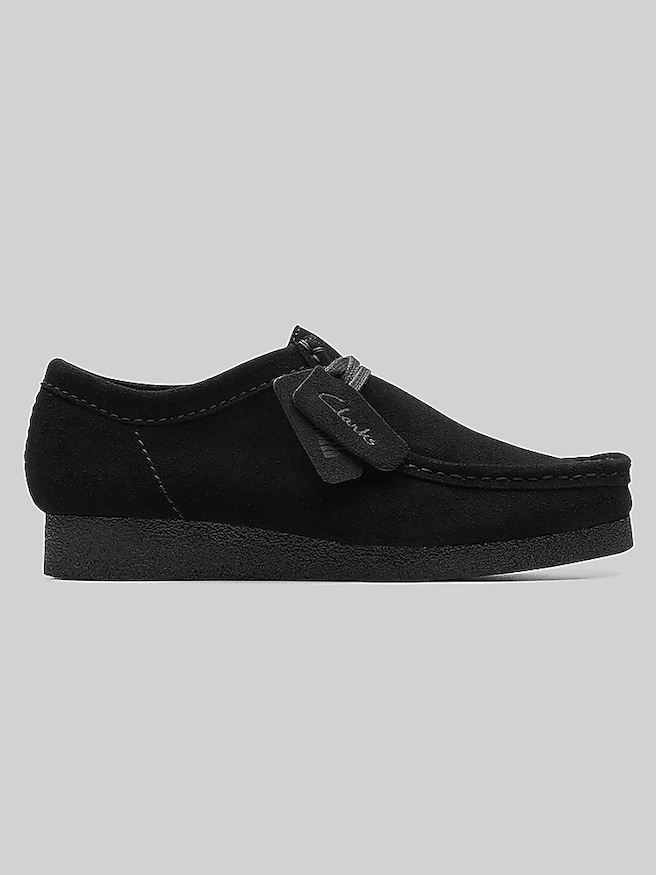
Fall slip-ons for men combine easy entry with the substance and texture that work well alongside denim, chinos, corduroy, and tailored trousers. Leather loafers, suede slip-ons, moc-toe shoes, and slip-on sneakers each bring a distinct balance of polish, flexibility, and coverage to an autumn wardrobe. The most useful choice depends on where the day leads: a streamlined loafer suits an office or dinner reservation, while a moc-toe silhouette with a substantial rubber sole feels at home with jeans and a casual jacket. Smooth leather has a clean finish that complements wool trousers and an unstructured sport coat without making the outfit feel overly formal. Suede adds a softer surface, especially against brushed cotton, fine-gauge knits, or richly textured outerwear. Full-grain leather can develop character with wear, although its long-term appearance depends on the finish, construction, and regular care. Suede needs more attention around moisture and mud, making it better suited to dry sidewalks than a leaf-covered path after rain. Brown, cognac, burgundy, and black are versatile footwear colors, but their effect changes with the rest of the outfit. A dark brown slip-on can bridge indigo denim and tan chinos, while black leather creates a sharper line beneath charcoal trousers. Details matter just as much as color: a pronounced toe seam gives a shoe a relaxed character, while a smooth vamp and restrained stitching generally look dressier. Penny straps and other understated loafer details add interest without competing with patterned shirts or textured jackets. For a casual workplace, leather slip-ons with tapered chinos and a knit polo can feel considered without being stiff. For an evening gathering, a sleeker pair beneath neatly hemmed trousers keeps the silhouette clean. The goal is proportion as much as coordination; a heavier sole balances substantial fabrics, while a slim shoe usually works best with a narrower trouser opening.
Fit deserves particular attention in fall slip-on shoes because there are no laces to adjust tension across the foot. A secure fit holds the heel comfortably, supports the midfoot, and leaves enough room for the toes to move without sliding forward. The upper should feel comfortably close across the instep rather than pressing into it, and the widest part of the foot should sit within the widest part of the shoe. Excessive heel movement, pinched toes, or pressure along the sides can signal a mismatch in size, width, or shape. Leather may soften through use, but a painful fit is not something to count on wearing away. Sock thickness also changes the feel: a shoe tried with thin dress socks may fit too closely over a cushioned wool-blend pair. Trying slip-ons with the socks intended for everyday wear provides a more useful sense of fit, especially when comparing a low-cut loafer with a more enclosed moc. Removable footbeds can be helpful for anyone who uses compatible inserts, though there still needs to be enough interior depth to avoid crowding the foot. Cushioning softens the step, while a stable platform and suitable arch support influence comfort over longer stretches of walking or standing. Neither a thick sole nor a plush lining guarantees all-day comfort on its own. Rubber outsoles can add flexibility and grip, and deeper tread may be useful on uneven surfaces, but wet leaves and slick pavement still call for care. Unless a shoe is specifically identified as waterproof, leather or suede uppers should not be assumed to keep out rain. For commutes involving several blocks on foot, secure heel hold and a stable sole can matter more than decorative details. For mostly indoor wear, a lighter, more flexible construction may feel less cumbersome. Clean seams, a firmly attached outsole, and neatly finished lining edges are useful construction details to examine, especially around the forefoot where the shoe bends with each step.
Keeping fall slip-ons looking their best starts with matching care to the upper material rather than treating every pair the same way. Smooth leather generally benefits from having surface dirt removed with a soft brush or cloth, followed by a compatible conditioner when needed. Polish can refresh color and refine the finish, but the right formula depends on whether the leather is smooth, waxed, or treated in another way. Suede calls for a dedicated brush used gently to lift the nap and remove dry surface debris; standard leather cream can darken or flatten its texture. Any protective treatment should be appropriate for the material and tested in an inconspicuous area before broader use. After damp wear, allowing shoes to dry naturally away from radiators and direct heat helps protect their shape and finish. Cedar shoe trees can help absorb moisture and maintain the toe shape, while alternating pairs gives linings time to air out between wears. A shoehorn also helps preserve the heel structure, particularly on snug loafers that should not be forced on by crushing the back. Those small habits support durability and keep an easy-wearing shoe from looking tired prematurely. Intended use remains important, too: a refined loafer works well for a desk-to-dinner schedule, but it is not a substitute for footwear designed for extended outdoor activity. For a higher-cut silhouette with more ankle coverage, Men's Slip On Boots offer another way to pair pull-on convenience with jeans, corduroy, and layered fall outfits. Slip-ons can also make a thoughtful gift for a father, partner, brother, or friend who favors straightforward dressing, provided the recipient’s usual size, width, and preferred shape are known. Someone who spends the day moving between meetings may value polished leather and a supportive footbed, while a frequent traveler may appreciate easy removal and an uncomplicated profile. The strongest match brings together personal style, a comfortable fit, appropriate traction, and care requirements that suit everyday habits.