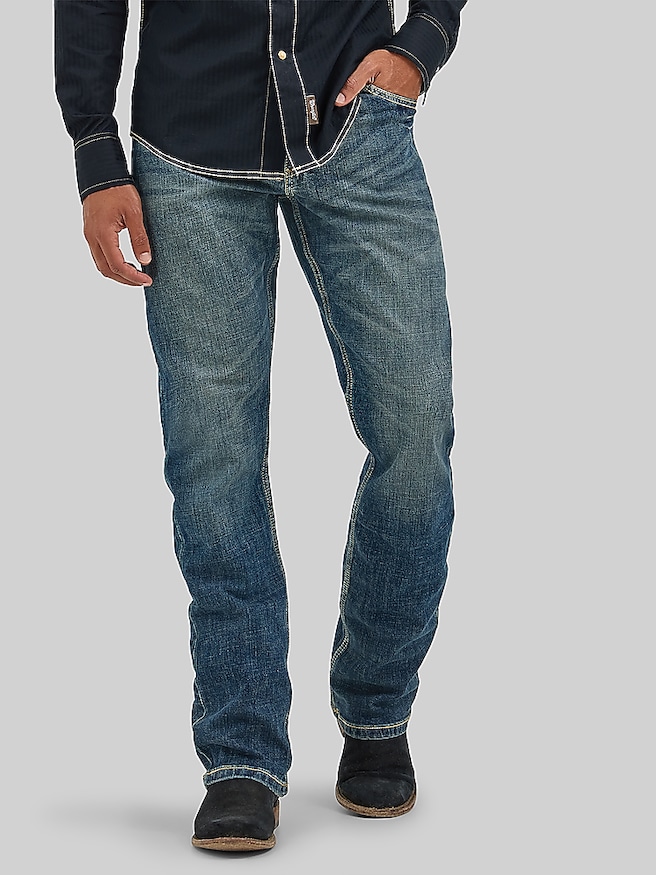
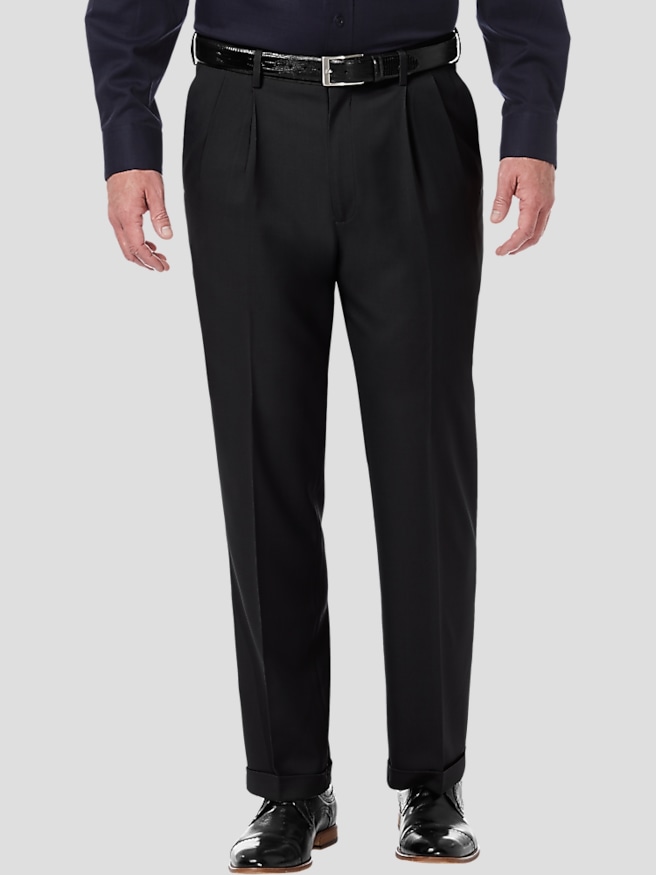
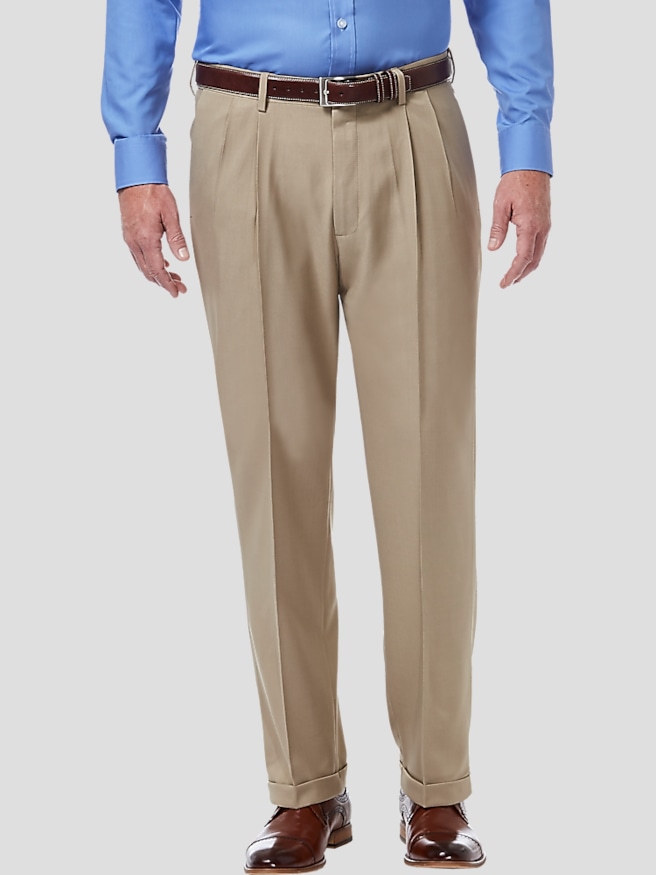
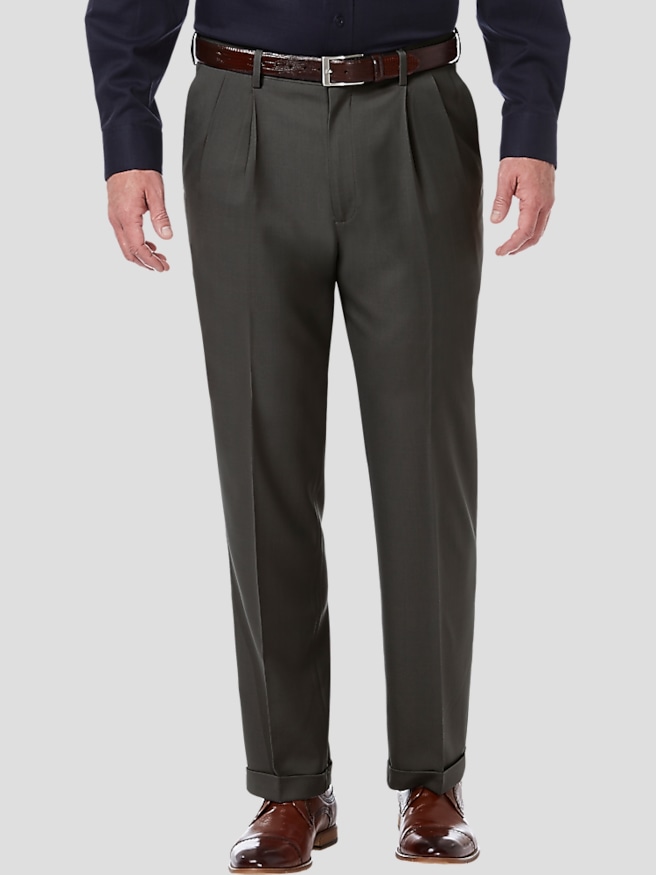
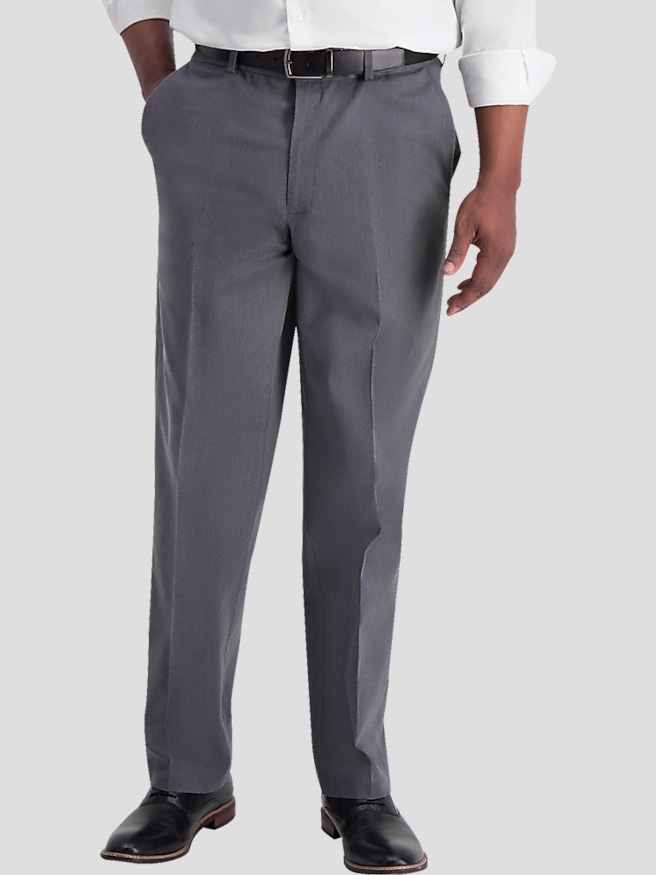
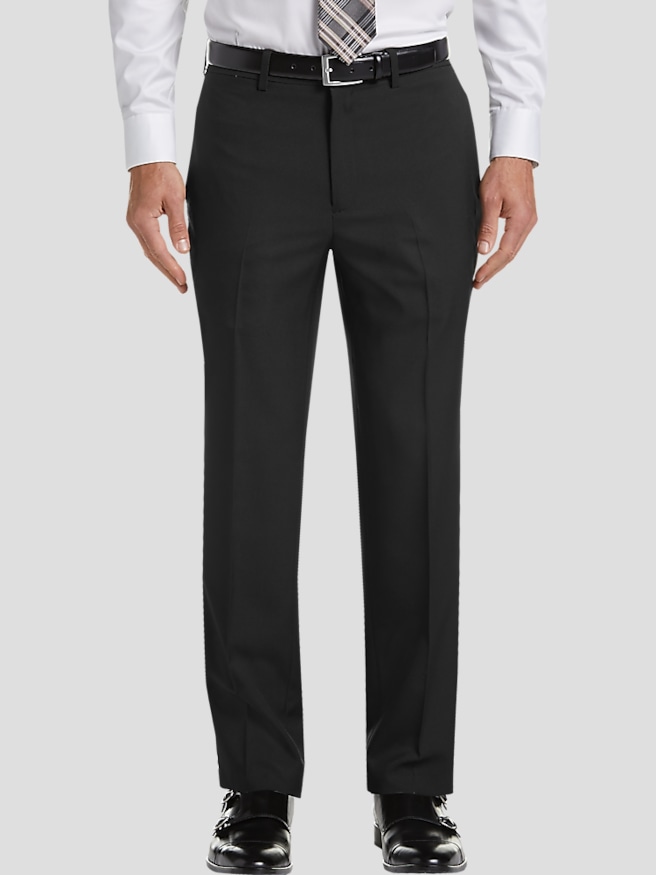
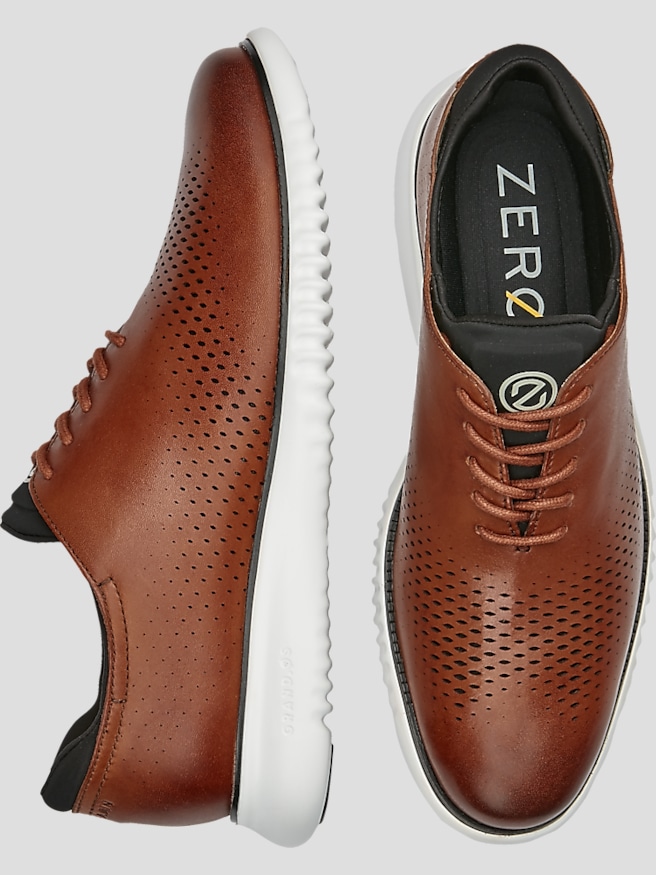
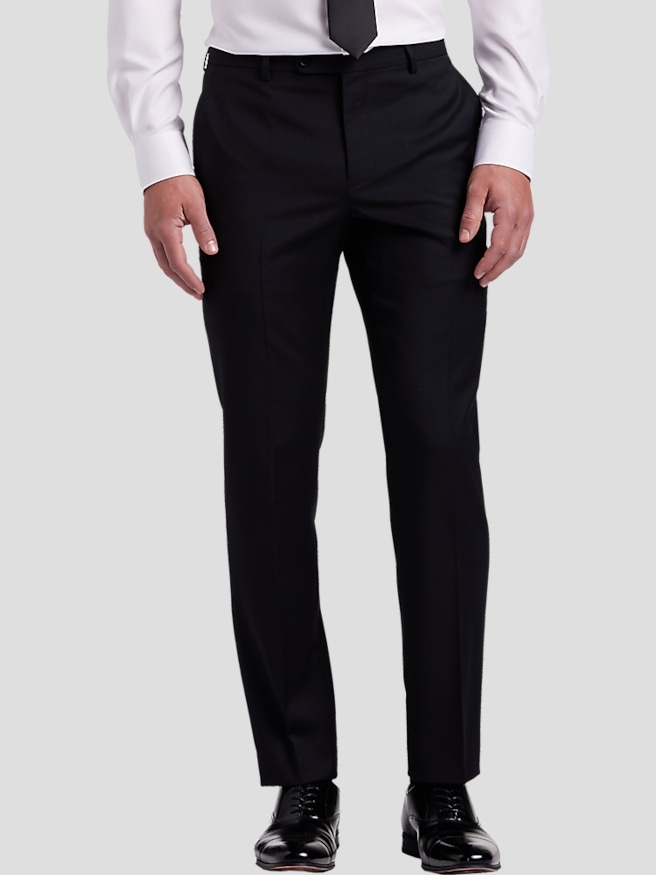
Fall dress pants are tailored trousers that bring seasonal texture, deeper color, and a polished finish to a man’s wardrobe. Wool, wool blends, brushed flannel, and substantial stretch fabrics are common choices, while charcoal, navy, chocolate brown, olive, and warm tan complement the layered clothing associated with fall. The distinction is not simply heavier fabric: the best match depends on how the pants drape, how much warmth they provide, and where they will be worn. Wool flannel has a softly brushed surface that gives solid colors depth, making it a natural companion to an Oxford shirt, fine-gauge sweater, or textured sport coat. Smooth worsted wool offers a cleaner, sharper appearance for business meetings and dressier occasions, with weight and weave determining how substantial it feels. Wool blends can balance softness, structure, and ease of care, although fiber percentages and the care label matter more than the blend name alone. Stretch woven fabrics allow some give through a long commute or an afternoon of meetings, but a small amount of stretch should support a comfortable fit rather than compensate for pants that are too tight. Fine-wale corduroy brings a more casual texture to tailored outfits and generally suits relaxed offices or dinners better than formal business settings. Fabric weight also deserves attention in buildings with strong indoor heating: medium-weight trousers often feel more practical than very heavy cloth when most of the day is spent inside. For someone walking several blocks to the office, a denser weave may provide welcome coverage, though dress pants are not a substitute for weather-protective outerwear. These material differences give fall slacks a useful range, from crisp trousers worn with a jacket to softer, textured pairs that make a simple shirt and sweater feel considered. A matte finish and an even drape usually make pants easier to combine with other pieces, allowing the texture to add interest without overwhelming the outfit.
Fit determines whether fall dress pants look composed and remain comfortable from the first appointment through the trip home. A well-fitting waistband rests securely without relying on a tightly cinched belt, and the seat should lie smoothly without pulling across the hips or sagging below them. Side pockets that flare open, horizontal strain lines across the front, and a fly that will not lie flat can indicate that more room is needed. Slim-fit dress pants follow the leg with a narrower opening, straight-leg cuts maintain a more consistent line, and classic or relaxed fits offer additional space through the seat and thigh. None of these shapes needs to look oversized or restrictive; the goal is a clean silhouette with enough room to sit, climb stairs, and move naturally. Men with fuller thighs may find that a roomier upper leg paired with a modest taper gives a neater result than choosing an aggressively narrow cut. Pleated trousers provide another option, adding room through the front when the pleats are sized and positioned well. They should generally rest closed while standing rather than spread under tension. Flat-front pants offer a simpler visual line and work across both business and social settings. Rise influences comfort just as much as leg shape: a mid-rise waistband is versatile, while a higher rise can create a longer leg line and sit neatly beneath a jacket or tucked-in knit shirt. Hem length completes the effect. A slight break creates a small fold where the trouser hem meets the shoe, while little or no break produces a crisper finish. Wider openings often benefit from enough length to drape over the shoe without pooling. Trying pants with the dress shoes or boots intended for the outfit helps establish a useful hem length, especially when footwear varies in height or shape. Waist and hem adjustments can refine the result, but the underlying rise, seat, and thigh proportions should feel right before alterations.
The appeal of men’s fall dress pants lies in how easily they connect the pieces of a working wardrobe. Charcoal trousers with a pale blue shirt and dark brown leather shoes create a grounded office combination, while navy pants with a cream sweater offer a softer look for a dinner reservation or an afternoon gathering. Brown flannel pairs naturally with blue shirting and a textured jacket; olive can function as a quiet neutral alongside gray, cream, and deep blue. When combining separates, noticeable contrast in color or texture usually looks more intentional than two fabrics that almost match. A smooth trouser can balance a nubby sport coat, while brushed pants add depth beneath a plain knit. For a broader view of coordinating layers and tailored separates, Fall Dress Clothes for Men brings the complete outfit into focus. Dress pants also suit presentations, interviews, celebratory meals, and weddings where the stated dress code allows separates; occasions calling for a full suit or black tie require a more specific approach. As a gift for a graduate beginning an office role or someone refreshing a professional wardrobe, trousers are most useful when the recipient’s measurements and preferred fit are known. Long-term wear depends on both construction and care. Secure stitching, neatly finished seams, reinforced pocket openings, and a stable waistband are useful details, while a partial lining can help some wool trousers glide comfortably over the leg. Follow the garment’s care instructions rather than assuming that every wool blend needs the same treatment or that every stretch fabric is machine washable. Between cleanings, airing trousers and gently brushing appropriate wool fabrics can help remove surface dust. Hanging them neatly supports their shape, and rotating pairs gives the fabric time to recover between wears. Excessive dryer heat or overly hot pressing can affect fibers, finishes, and stretch performance. With suitable care and a fit that avoids constant strain at the seams, fall dress pants can remain a dependable foundation for polished outfits well beyond a single season.