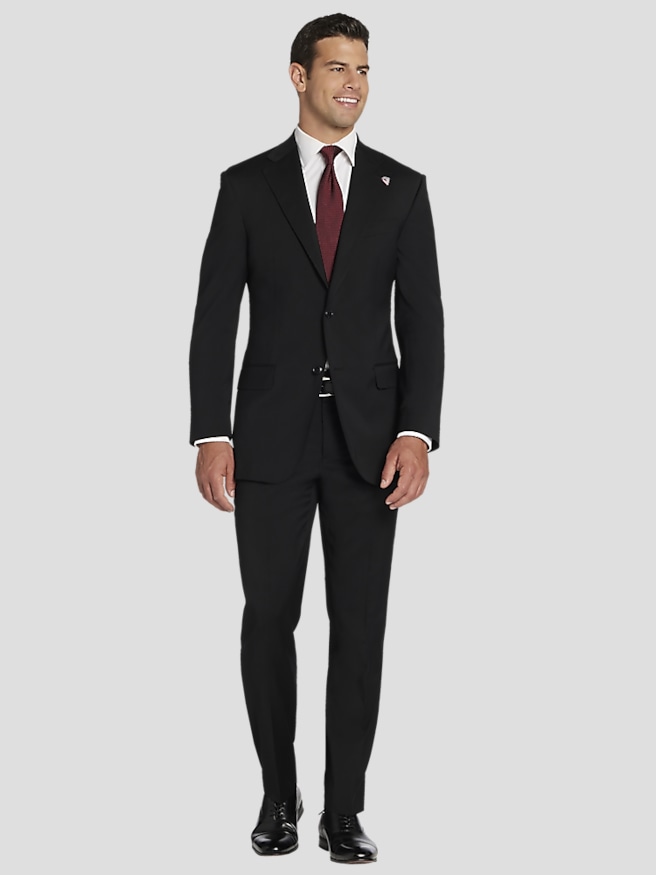
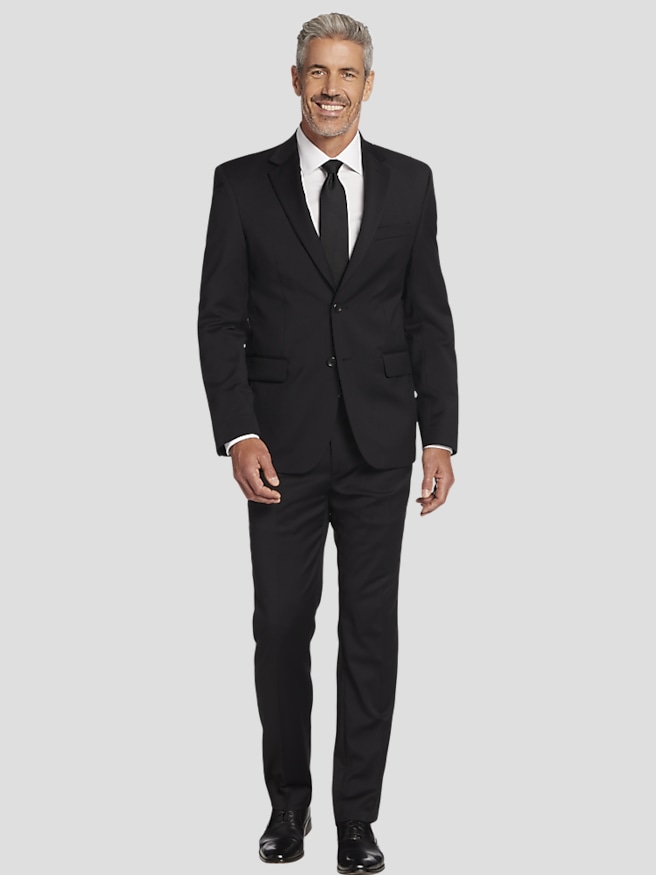
Extra long jackets provide additional body length, whether that means a tailored jacket proportioned for a taller frame or an outer layer with an extended hem. In tailored clothing, extra long generally describes a length category, not a guarantee of knee- or calf-length coverage. Longer outerwear silhouettes serve a separate purpose, extending farther down the body for a particular look or added coverage over an outfit. That distinction matters because a jacket can have the right chest measurement and still look too short through the torso. For taller men, or men with a longer torso, additional length can help the jacket’s waist, pockets, and hem sit in proportion to the body. Sleeve length may also increase, depending on the garment’s design and sizing system. An extra-long cut is not necessarily wider, so a lean frame may need additional length without additional room through the chest or waist. Likewise, a broader build benefits from enough space across the shoulders and upper back without excess fabric hanging at the sides. A well-proportioned tailored jacket rests smoothly across the shoulders, lets the lapels lie against the chest, and closes without pronounced pulling around the button. Its hem typically covers the seat, although the intended silhouette can affect the exact placement. These details become especially noticeable when standing beside a conference table, walking into a wedding reception, or posing for a group photograph: the jacket should look connected to the wearer’s proportions rather than appear borrowed from a smaller frame. Comfort matters just as much when sitting, reaching forward, or shaking hands. Extra length cannot compensate for a tight armhole or a restrictive upper back. For an extended outer layer, the fit also needs to accommodate the clothing underneath. A jacket worn over a dress shirt has a different space requirement from one worn over a sweater and tailored jacket. The most useful length is therefore the one that works with both the wearer’s build and the garment’s intended role.
Fabric and construction influence how an extra long jacket carries that additional length. Wool is valued in tailoring for its drape, breathability, and ability to recover from ordinary creasing, though its weight and weave make a meaningful difference in how the finished garment feels. A finely woven wool can create a smooth, polished surface, while a more textured weave adds visual depth to a jacket worn with separate trousers. Wool blends vary according to their fiber content; some emphasize softness, some improve crease recovery, and others incorporate stretch for easier movement. Cotton can give a jacket a more relaxed character, with a surface that feels less formal than traditional suiting cloth. Linen offers distinctive texture and a naturally creased appearance, making it better suited to outfits where a perfectly smooth finish is not the goal. Synthetic fibers may contribute durability or shape retention, but the full fabric composition and care label are more informative than any single fiber name. In a longer garment, drape is particularly important because more fabric hangs below the waist. Cloth should fall cleanly rather than cling across the seat or flare unexpectedly at the hem. Lining helps a jacket slide over the layers underneath, while the amount of lining and internal structure affects weight, flexibility, and shape. A structured shoulder creates a more defined outline; a softer shoulder gives the jacket a less formal presence. Neither approach is automatically better for a taller build. The choice depends on the intended outfit and the wearer’s preference. Solid navy, charcoal, and gray provide an understated foundation, while checks and textured fabrics make the longer silhouette more noticeable. Pattern scale also affects the overall impression: a restrained check can add interest without dominating the outfit. For regular use, neatly finished seams, secure buttons, and fabric that suits the demands of the day matter more than decorative details alone. A jacket that holds its shape through repeated wear should still allow natural movement rather than feel stiff or cumbersome.
Extra long jackets can support a wide range of occasions, from office presentations and business dinners to ceremonies, celebrations, and evenings that call for a more finished outfit. A tailored jacket with coordinated trousers creates a continuous line, while a sport coat with contrasting trousers offers a more relaxed interpretation. The longer proportions work best when the rest of the clothing fits just as thoughtfully: trousers should sit comfortably at the waist, shirt sleeves should reach the wrist, and a tailored jacket sleeve can leave a small amount of shirt cuff visible. An extended outer jacket adds another layer to that silhouette, with its hem and sleeve length judged over the clothing beneath it rather than in isolation. For a shorter, more compact outline, Hip Length Jackets provide a contrasting silhouette; the distinction is overall proportion and coverage, not simply a larger or smaller chest size. Everyday habits also affect how a longer jacket looks and lasts. Heavy objects in the pockets can distort the front and interrupt the way the fabric hangs, so keeping pocket contents light helps preserve a clean line. A shaped hanger supports the shoulders between wears, and enough closet space prevents the lower portion from being crushed against neighboring garments. Gentle brushing can remove surface dust from suitable fabrics, while prompt attention to spills helps keep small marks from becoming persistent stains. Cleaning should follow the garment’s care label, since a jacket’s lining, trim, and internal construction may require treatment beyond what its outer fabric alone suggests. Alterations can refine sleeves or the waist, but substantial changes to the shoulders or overall length can disrupt the original proportions. Starting with the right length category leaves less work for those adjustments. As a gift for a tall partner, relative, or close friend, an extra long jacket is most thoughtfully chosen with reliable measurements and an understanding of the recipient’s usual fit. Chest size, torso length, sleeve length, and preferred layering all contribute to a garment that feels personal, comfortable, and appropriate for the occasions ahead.