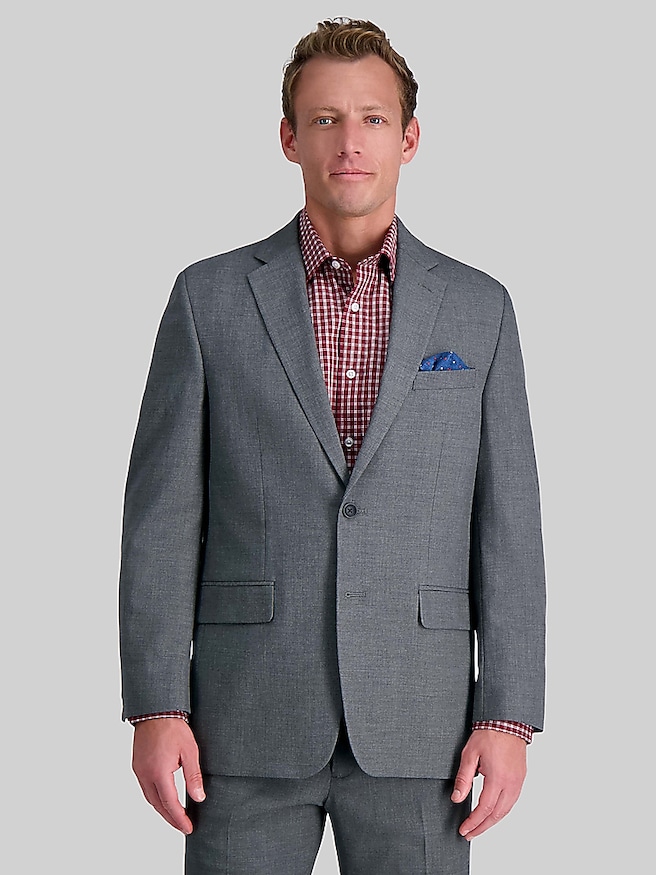
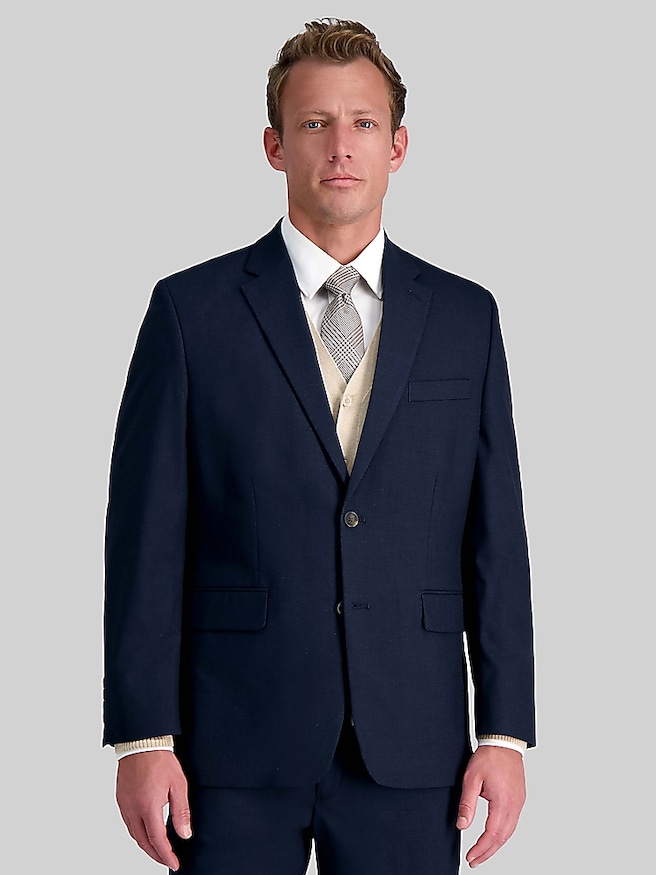
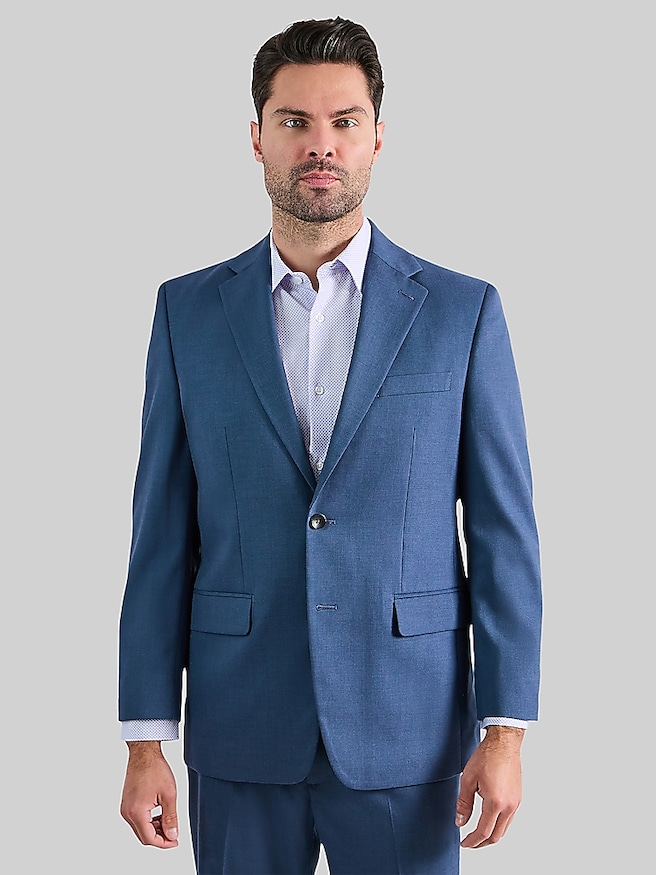
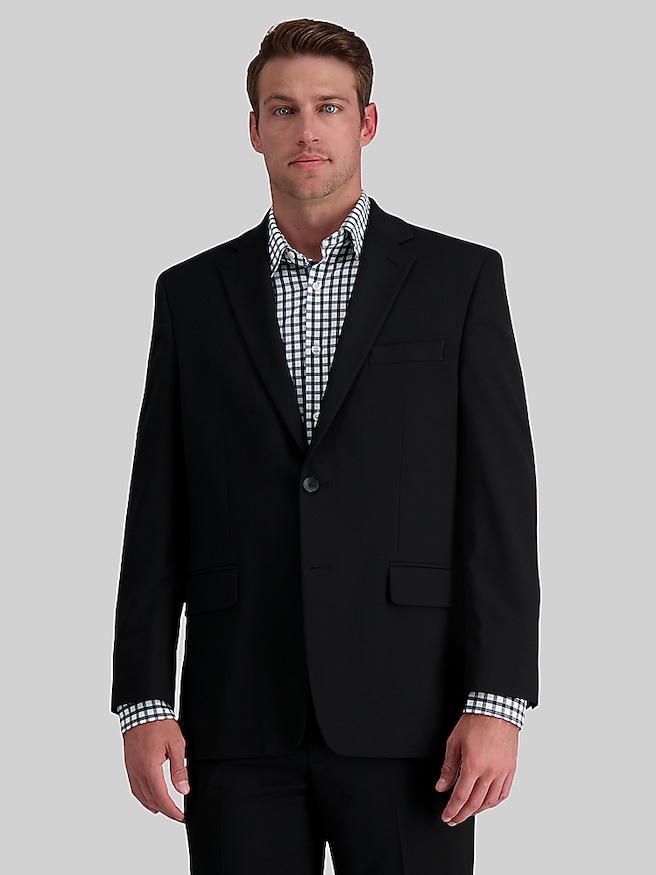
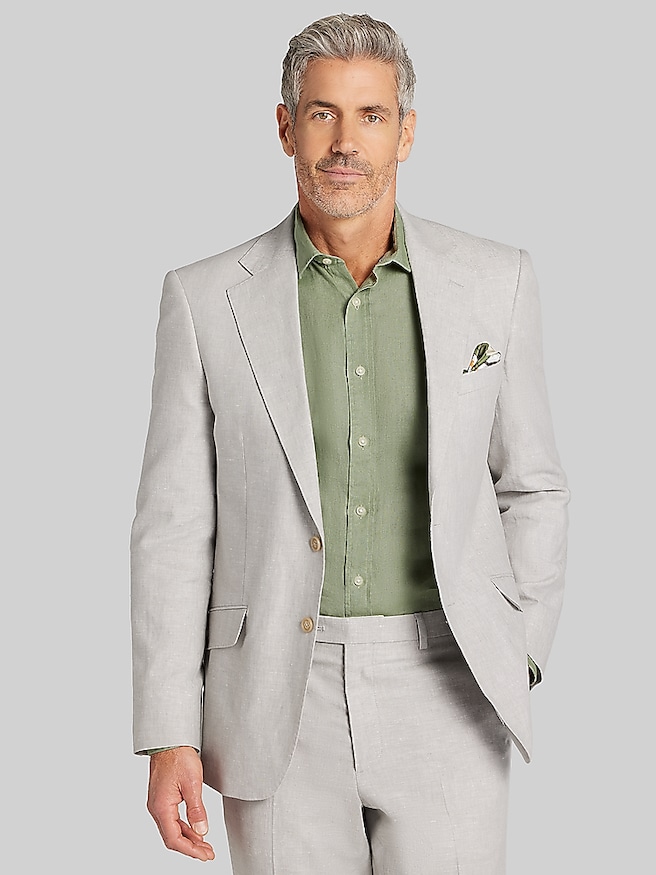
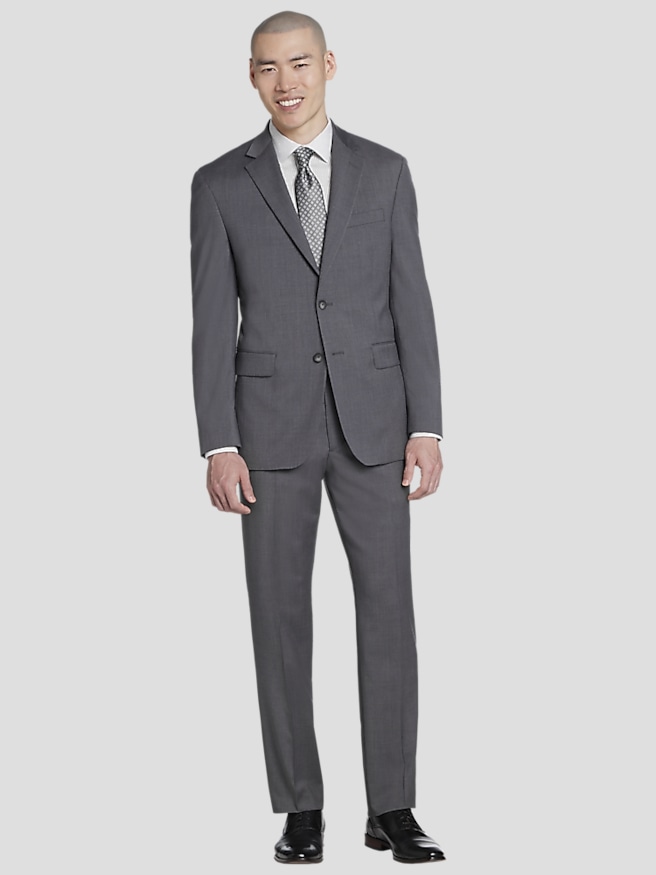
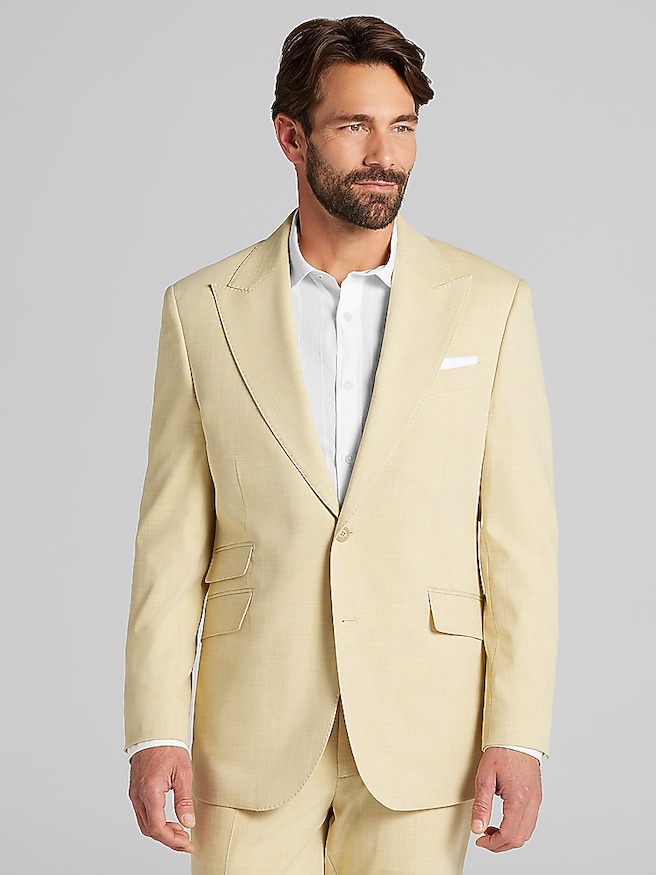
Event suits for men bring polish and confidence to the occasions that matter most, from wedding ceremonies and rehearsal dinners to evening galas, milestone celebrations, holiday gatherings, and sophisticated parties. The right choice begins with the setting, dress code, time of day, and level of formality. A classic black or midnight blue tuxedo remains a dependable option for black-tie events, especially when paired with a crisp white dress shirt, a coordinated bow tie, and polished black dress shoes. Satin lapels add a refined finish, while peak or shawl lapels can create a distinctive silhouette without looking overly ornate. For weddings, cocktail receptions, and formal dinners that call for a suit rather than a tuxedo, navy, charcoal gray, and deep blue offer year-round versatility. These colors work beautifully with white or pale blue shirts, and they can be adjusted with a pocket square, tie, or dress shirt in a richer seasonal tone. During the cooler months, textured wool, flannel, tweed, and structured blends add visual depth as well as a comfortable layer of warmth. Earthy shades such as olive, rust, espresso, burgundy, and deep wine can bring a memorable touch to an autumn or winter event while still looking polished in photographs. For celebrations in warmer conditions, breathable linen, cotton blends, and lightweight tropical wool can help maintain a composed appearance without feeling heavy. Lighter shades, including tan, cream, beige, and light gray, suit daytime gatherings and outdoor venues particularly well. Men building an event-ready wardrobe may also appreciate browsing Cool Men's Suits for inspiration that balances comfort, modern styling, and occasion-ready presentation.
Fit is often the detail that makes an event suit look truly considered. The jacket should lie smoothly across the shoulders, with the seam ending near the natural edge of the shoulder rather than pulling inward or extending beyond it. When buttoned, the front should close comfortably without strain, and the lapels should rest flat against the chest. A tailored or slim silhouette can look especially sharp, but the best fit is the one that allows natural movement while maintaining a clean line through the torso. Jacket sleeves generally look most balanced when they reveal a small amount of shirt cuff, while trouser hems should meet the shoe with a neat break instead of pooling around the ankle. A well-coordinated shirt and shoe combination completes the foundation: dark suits pair effortlessly with white shirts and black or dark brown leather footwear, while a modern evening look may call for a dark-toned shirt worn without a tie. Loafers can offer a streamlined finish for a cocktail setting, whereas traditional lace-up dress shoes provide a more formal impression. Accessories should support the suit rather than compete with it. A simple watch, understated cuff links, a folded pocket square, or a textured tie can add personality while keeping the overall appearance cohesive. Consider the venue as well. A ballroom, hotel reception, or formal dining room may call for a darker palette and more structured tailoring, while an outdoor celebration can welcome lighter fabrics, softer colors, and more relaxed styling. If an event spans several hours, comfort matters just as much as appearance; breathable materials, a flexible waistband, and room to move through the shoulders can make it easier to stay composed from the first toast to the final photograph.
An event suit can be a thoughtful gift for a graduate, a son preparing for his first formal celebration, a partner attending a special ceremony, or a member of a wedding party who wants a dependable addition to his wardrobe. It can also be a practical choice for anyone whose calendar includes professional dinners, charity functions, award ceremonies, cultural celebrations, or family gatherings where dressing well is part of the experience. When choosing a suit as a gift, consider the recipient’s usual style, preferred colors, typical fit, and the kinds of events he is most likely to attend. Navy and charcoal are especially useful for a first suit because they can move from weddings to business occasions with a change of shirt and accessories. A black tuxedo serves a more specific purpose but can become an essential part of a formal wardrobe for black-tie invitations. Three-piece styling can add a distinguished layer for weddings and cooler-weather events, while a separate dinner jacket can bring personality to evening parties without requiring a full matching suit. Before purchasing, check measurements for the chest, shoulders, sleeve length, waist, and inseam, then allow time for professional alterations when needed. Small adjustments to trouser length, sleeve length, or the jacket waist can make a noticeable difference in how the ensemble photographs and feels throughout the event. Think beyond one occasion by selecting pieces that can be restyled with different shirts, ties, shoes, and pocket squares. With the right color, fabric, fit, and finishing details, an event suit becomes more than a one-time outfit: it becomes a reliable part of a well-prepared wardrobe, ready for meaningful celebrations during the cooler months and beyond.