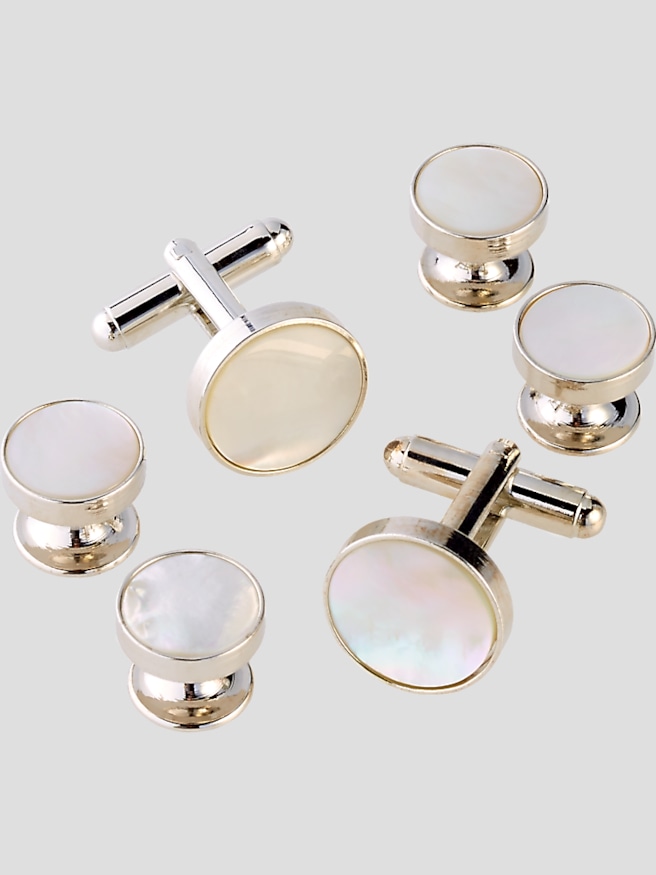
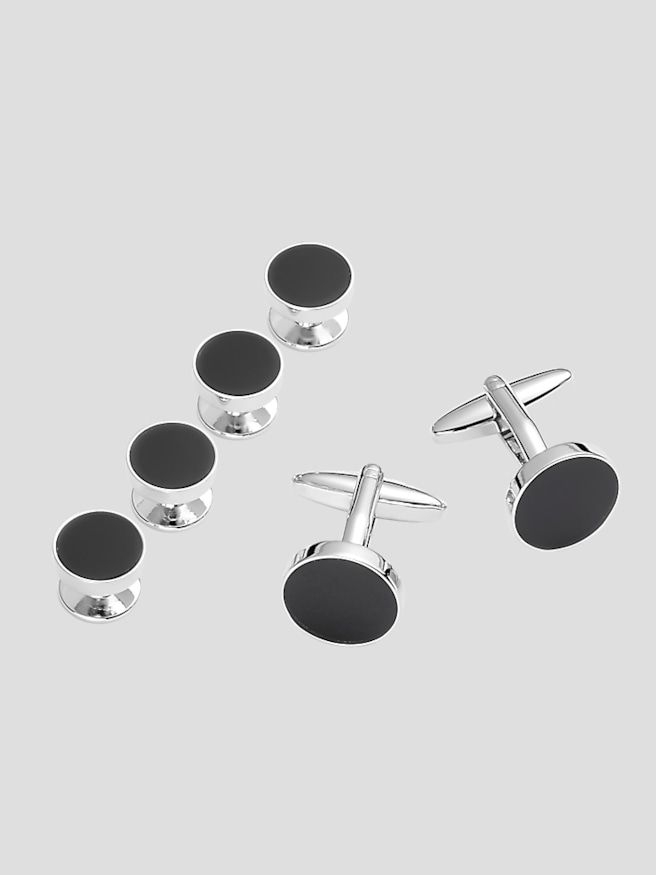
Event accessories are the finishing details worn with occasion attire, bringing color, texture, and polish to a suit, tuxedo, or dressy separates. Ties, pocket squares, cuff links, belts, suspenders, and dress socks serve both a visual and a practical purpose: they connect the parts of an outfit while helping it feel appropriate for the setting. For weddings, homecoming dances, awards dinners, milestone birthdays, and formal receptions, those details can distinguish a guest’s look from everyday office clothing without requiring an entirely new wardrobe. A dark suit takes on a more ceremonial character with a neatly shaped pocket square and a restrained tie, while a tuxedo calls for accessories that respect its formal lines. The invitation’s dress code provides useful context, but the outfit’s existing details matter, too. Jacket lapels, shirt collars, cuff construction, and trouser waistbands all influence which accessories look natural and function properly. A silk tie with a subtle woven pattern can add depth to a smooth shirt; a crisp linen square introduces a lighter, more structured accent at the chest. Matching every accessory exactly is not necessary for a cohesive appearance. Repeating one color in a smaller detail often creates a more considered result than using the same fabric throughout. For a wedding party, a shared color can establish continuity while allowing small variations in texture or pattern where the dress code permits. Guests may prefer quieter accents that complement the celebration without imitating the wedding party’s attire. Students preparing for a school dance can find a related occasion focus in Homecoming Accessories, where the same principles of proportion and coordination apply. Across these settings, the most effective finishing touches look intentional from a distance and reward a closer look, whether through a fine texture, a clean fold, or a subtle metal accent at the wrist. They also leave room for personality: a meaningful color or an understated motif can make formal clothing feel distinctly personal without competing with the rest of the outfit.
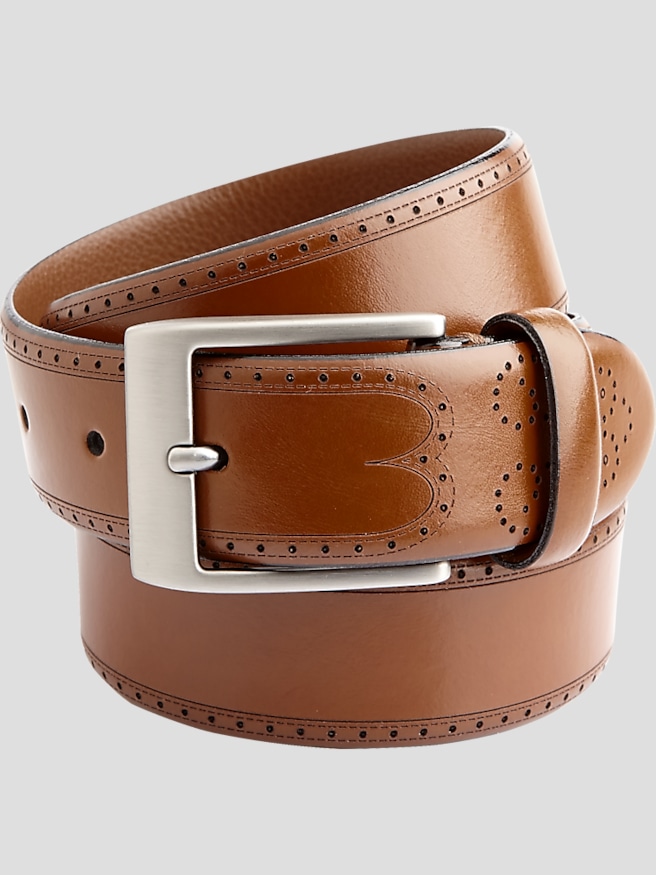
Materials shape how event accessories drape, hold their form, and stand up to repeated wear. Silk can have a smooth sheen or a textured woven surface, giving neckwear depth without relying on a bold print. Linen and cotton tend to create crisper pocket-square folds, while softer fabrics settle into rounded shapes with less defined edges. Polyester and blended fabrics can offer resilience and help maintain a consistent appearance, although their feel, luster, and care requirements vary by construction. These distinctions become noticeable during a long celebration, when a tie needs to hang neatly through dinner and a pocket square needs to remain comfortably seated in a jacket pocket. Proportion is just as important as material. Tie width generally looks most balanced when it relates to the scale of the lapels, and the knot should sit within the collar rather than crowding it or leaving an oversized gap. A tied necktie typically reaches the waistband, creating a continuous line down the shirt front. Bow ties need a neck adjustment that feels secure without pressing into the collar, especially when the shirt is buttoned for several hours. Cuff links work with shirts designed to accept them, including French cuffs and some convertible cuffs; standard button cuffs do not automatically accommodate the same closure. Belts and suspenders depend on trouser construction as well as personal preference. A belt should pass comfortably through the loops and fasten without pulling the waistband out of shape, while suspenders need suitable attachment points and enough adjustment to support the trousers without tugging. Usually, one method of support is sufficient. Socks that remain in place and cover the leg when seated preserve the line between trousers and shoes, a small detail that becomes visible during ceremonies and dinners. Smooth edges on metal fittings, secure stitching, and closures that operate cleanly contribute to comfort and durability. For an evening that includes standing, sitting, photographs, and dancing, those unobtrusive construction details matter as much as the first impression.
Color and finish give occasion accessories their character, but restraint often makes them easier to wear again. Deep blue, burgundy, charcoal, and muted neutrals can complement a range of tailored clothing, while a brighter accent draws attention to a chosen detail. A patterned tie usually has more room to stand out against a plain shirt; when the shirt already carries a stripe or check, a quieter accessory helps keep the overall effect clear. Metal accents do not have to be identical, though a consistent warm or cool tone can connect cuff links, a watch, and a belt buckle. Leather accessories often look cohesive when their color and level of formality relate to the shoes, rather than competing through sharply contrasting finishes. These choices are particularly useful for someone attending several kinds of celebrations with the same suit. A change in texture or accent color can shift the mood from a business recognition dinner to an anniversary celebration while preserving the outfit’s underlying structure. Accessories can also make thoughtful gifts for graduates, wedding-party members, or someone marking a professional milestone. Wearable proportions, compatible shirt cuffs, and familiar color preferences make such gifts easier to incorporate into an established wardrobe. Personal significance can come from a subtle design rather than a conspicuous statement. After the occasion, proper care helps preserve both appearance and function. Care labels take priority, since fibers, linings, adhesives, and decorative finishes may require distinct treatment. Untying neckwear after use reduces prolonged stress on the knot area, and storing it without tight creases helps protect its shape. Pocket squares should be clean and dry before storage, with folds relaxed when practical. Metal accessories benefit from gentle wiping with a soft cloth and separate storage that limits scratching; harsh cleaners can damage plating or decorative surfaces. Leather should be kept away from prolonged moisture and treated only with care products suited to its finish. Allowing accessories space rather than compressing them into an overfilled drawer helps them retain the details that make occasion dressing feel finished, comfortable, and personal each time they are worn.