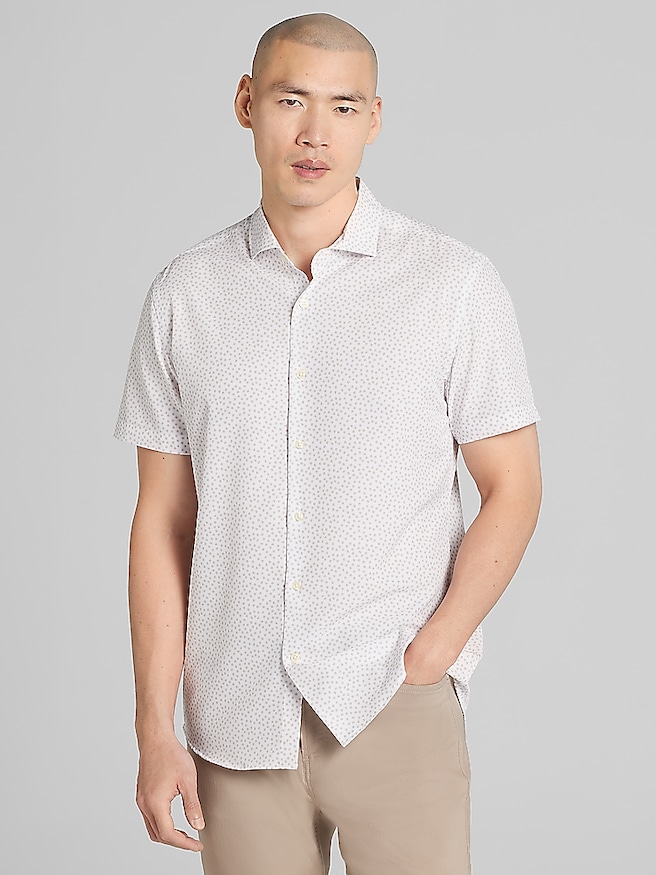
Easy-care slim fit shirts bring together a close-cut silhouette and fabrics designed to make routine upkeep less demanding. The appeal is practical: a shirt that sits neatly beneath a jacket, keeps extra fabric from bunching at the waist, and needs less attention between washing and wearing. “Easy care” generally describes fabric or finishing treatments that simplify laundering or help reduce wrinkles; it does not mean every shirt has the same washing instructions or will never need a touch-up. Slim fit describes the shape rather than the fabric, typically with a narrower chest, a tapered waist, and trimmer sleeves than a classic fit. The result can look especially clean with tailored trousers, but the right fit still leaves room to sit, reach, and move comfortably. A close fit should follow the torso without pulling the buttons apart or creating horizontal lines across the chest. Shoulder seams that sit near the shoulder’s edge, a collar that closes comfortably, and sleeves that reach the wrist help establish that balanced shape. Under a suit jacket, reduced fabric through the body can make the entire outfit feel less bulky, particularly when the shirt is tucked in. At a desk or across a dinner table, enough room through the upper back and arms matters just as much as a sharp appearance in the mirror. Slim sizing also varies by cut, so neck and sleeve measurements, chest measurements, and the garment’s size information are more useful than relying on the fit name alone. Some builds need more space across the shoulders even when a tapered waist is preferred. Hem length matters, too: a longer hem helps a dress shirt stay tucked through a full workday, while a shorter cut may suit an untucked outfit if it is designed for that purpose. These details make easy-care slim fit shirts useful for office wardrobes, interview outfits, business travel, and occasions that call for a polished shirt without an elaborate laundry routine.
Fabric composition influences how an easy-care shirt feels against the skin, how it moves, and how much attention it needs after washing. Cotton offers a familiar, breathable feel, while cotton blends can combine that softness with fibers that improve wrinkle resistance or help the fabric dry more readily. Polyester is often used in easy-care blends for shape retention and resistance to creasing. A small amount of elastane or spandex can add stretch, which is particularly helpful in a trim silhouette when reaching for a bag, driving, or sitting through a long meeting. Stretch does not replace proper sizing, but it can make a well-fitting shirt more comfortable in motion. The weave contributes its own character: poplin tends to have a smooth, crisp surface, twill has a subtle diagonal texture, and dobby weaves introduce small woven patterns that add interest without relying on a bold print. Fabric weight and construction also affect drape, opacity, and the way a collar sits beneath a jacket. Easy-care, wrinkle-resistant, and non-iron descriptions are related, but they are not interchangeable guarantees. Performance depends on the fabric, its finish, the laundering method, and how the shirt is handled after drying. A wrinkle-resistant shirt can still develop creases after being compressed in a bag or left in a crowded dryer. The care label remains the best reference for water temperature, drying method, and whether ironing is appropriate. When machine washing and tumble drying are permitted, avoiding an overloaded load and removing the shirt promptly can help limit set-in wrinkles. Hanging it with the collar and front placket straight allows the fabric to settle into shape. Excessive heat can be hard on stretch fibers and some finishes, so hotter is not necessarily better. Long-term durability also involves everyday details: secure buttons, even seams, and well-finished collars and cuffs help a shirt stand up to repeated wear. Treating marks promptly according to the care instructions and giving shirts space on a hanger can help preserve their appearance without turning upkeep into a complicated project.
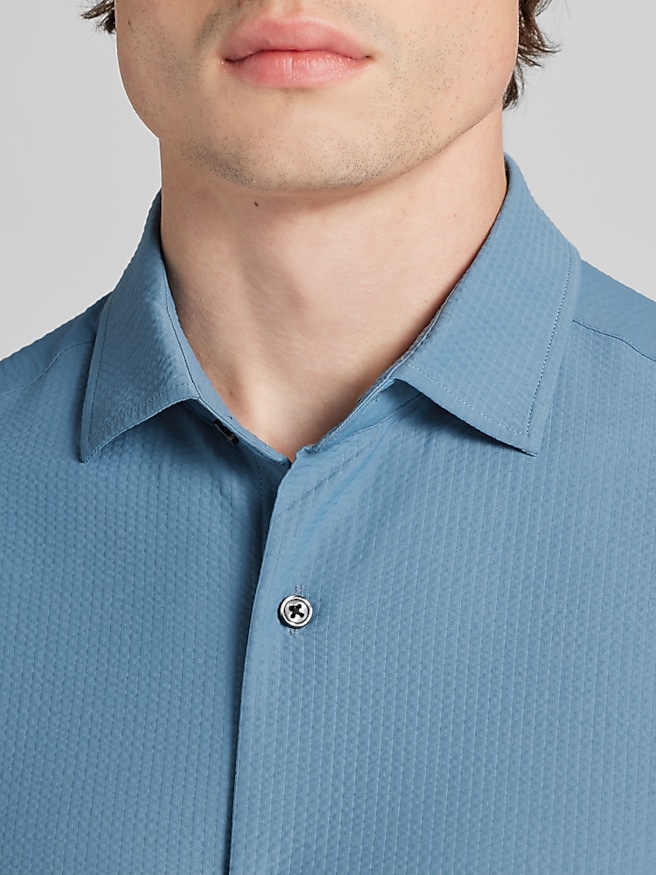
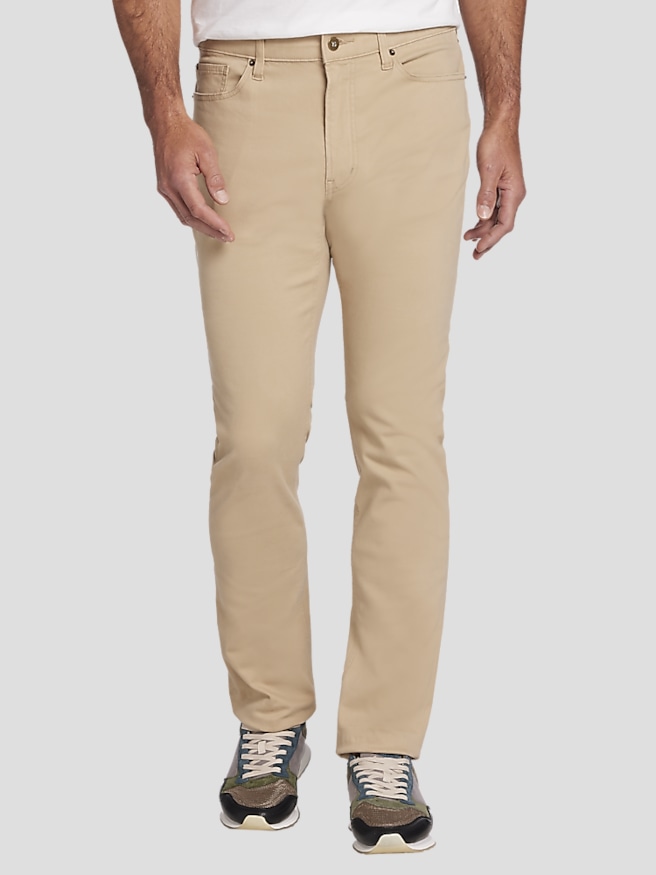
Color, pattern, and collar shape give easy-care slim fit shirts a place in more than one kind of wardrobe. White and light blue create a straightforward foundation for suits and ties, while subtle stripes or small checks add definition beneath a solid jacket. A textured solid can offer a little visual depth when the outfit needs to stay understated. For a client presentation, a smooth shirt with a structured collar and a clean tuck keeps the focus on the overall fit. For a business-casual day, an open collar with tailored chinos creates a more relaxed combination without losing the shirt’s neat lines. A button-down collar can lend a casual character, while point and spread collars offer different proportions around the face and accommodate different tie knots. Collar construction matters when the top button is left open, too: enough structure helps it sit neatly rather than collapse beneath a jacket. The same attention to proportion applies at the cuff, where a trim sleeve should meet the wrist comfortably rather than ride up with every movement. For a traveler moving from a flight to a meeting, wrinkle resistance can reduce the amount of refreshing needed after unpacking, though folding and packing still affect the result. Related Slim Fit Wrinkle Free Shirts offer another way to focus on a streamlined silhouette and reduced ironing, with individual fabric and care details guiding the choice. Easy-care shirts can also make a practical gift for a graduate beginning a professional wardrobe, someone preparing for interviews, or a frequent traveler who appreciates simpler upkeep. Accurate sizing and a sense of the recipient’s usual colors make that choice more personal. Whether worn with a tie for a wedding or open at the neck for dinner, a shirt earns its place through the combination of comfortable proportions, useful fabric performance, and a look that feels appropriate to the occasion.