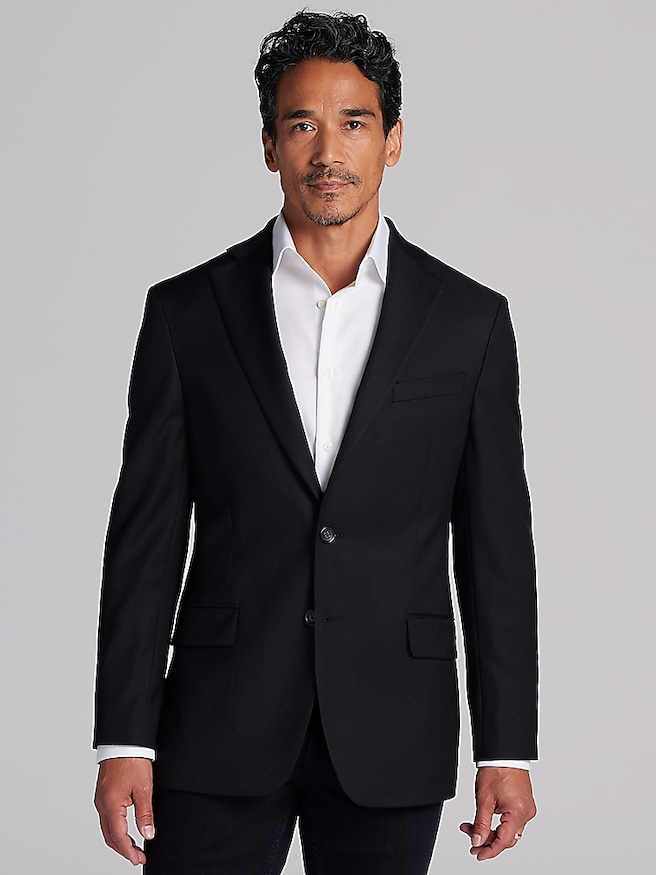
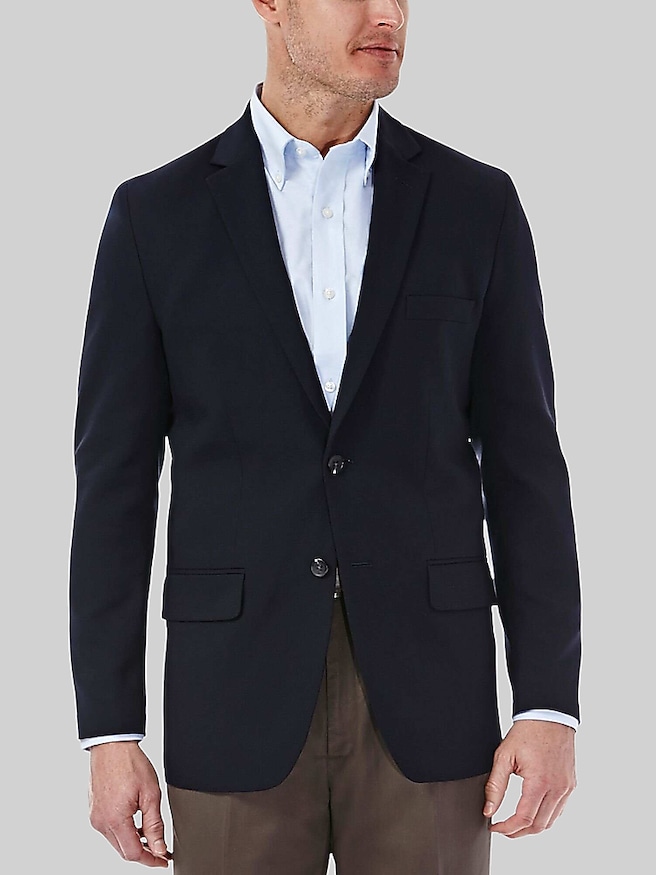
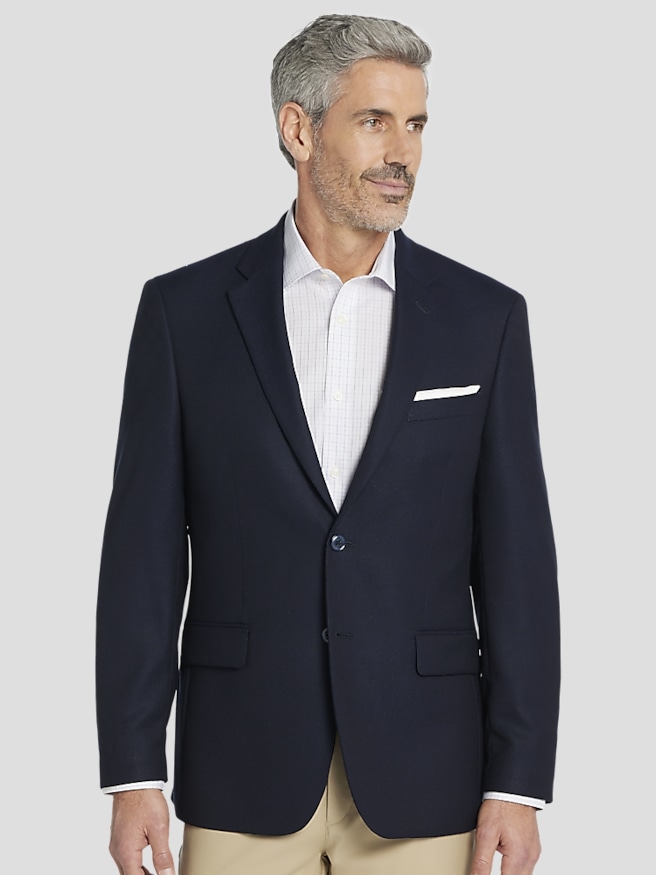
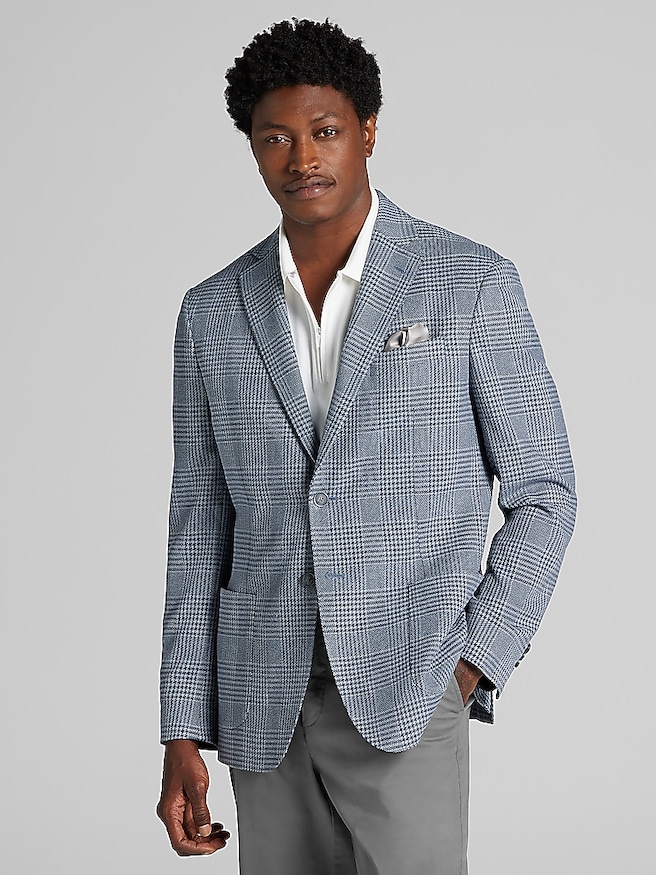
Early spring coats balance cool mornings, milder afternoons, and the occasional passing shower without the bulk of deep-winter outerwear. Lightweight wool blends, cotton twill, and woven synthetic shells each bring something useful to this in-between season: wool offers comfortable warmth and a refined drape, cotton provides a familiar feel and structured appearance, and nylon or polyester can create a light, practical barrier against breezes. The right weight depends on how the coat will be worn. A walk from the train station to the office calls for more coverage than a short trip from a parking lot to a restaurant, while a day spent moving between buildings makes easy layering especially valuable. A lightly lined coat often sits comfortably over a shirt and sweater without feeling cumbersome indoors. An unlined design can feel less substantial, although its warmth and breathability still depend on the fabric’s weight and weave. Trench-inspired shapes are particularly useful when coverage and a polished appearance matter equally, while shorter coats suit casual routines and time behind the wheel. For damp conditions, water-resistant fabric can help shed a brief sprinkle, but it should not be confused with waterproof protection. Sustained rain calls for materials, seams, and closures designed to keep water out; a tailored wool coat is better suited to chilly, mostly dry days than a soaking commute. Collar coverage, an overlapping front, and sleeves that sit comfortably at the wrist can also make a noticeable difference on a breezy sidewalk. Breathability matters just as much as protection when a route includes brisk walking or crowded public transportation. Heavy insulation can become uncomfortable quickly once movement generates warmth. Early spring outerwear works best when it provides enough protection for the outdoor portion of the day while leaving room to adjust the layers underneath. A fine-gauge sweater, a cotton shirt, or a lightweight knit adds flexibility without turning the coat into a bulky winter outfit, and each can be worn on its own after the outer layer comes off.
Fit gives an early spring coat much of its versatility, especially when the same layer needs to work over both business clothing and weekend basics. A coat worn with a suit needs enough room through the shoulders, chest, and upper arms to accommodate the jacket beneath it without pulling across the back. The front should close smoothly, with lapels lying flat and pockets resting neatly rather than flaring outward. Excess room is not necessarily more comfortable: too much fabric can bunch around the waist or make the shoulders appear broader than intended. A clean silhouette allows movement while keeping the overall line composed. Sleeve length also deserves attention, since a coat that fits well over a thin shirt may feel restrictive over a sweater. Reaching forward, sitting down, and bending the elbows reveal more about comfort than standing still in front of a mirror. Length changes both the appearance and the way a coat functions. A mid-thigh or knee-length shape provides more coverage and generally complements tailored trousers, while a shorter cut feels relaxed with chinos or dark denim. When a suit jacket is part of the outfit, an outer layer long enough to cover its hem creates a more deliberate finish. Details can support that balance between practical and polished: a back vent allows easier walking, adjustable cuffs help manage sleeve openings, and well-positioned pockets keep hands comfortable without disturbing the coat’s shape. Navy, charcoal, tan, and olive are versatile starting points because they combine easily with familiar shirt, trouser, and shoe colors. Smooth fabrics tend to read as dressier, while visible twill or a matte finish gives an outfit a more casual character. The appeal of Spring Fashion Coats is their ability to make a useful outer layer feel like an intentional part of the outfit, from an office arrival to dinner after work or a relaxed weekend gathering.
Durability in a spring coat comes from the relationship between fabric, construction, and everyday habits, not simply from how heavy the garment feels. A tightly woven shell can hold its shape well without excessive weight, while secure buttons, smooth-running zippers, and reinforced pocket openings help manage repeated use. Linings should allow the coat to slide over shirts and knitwear without catching, with enough ease to avoid strain when the arms move forward. Pocket placement matters in ordinary situations, too: a phone or set of keys should sit securely without creating an awkward bulge or pulling the front out of line. Carrying fewer heavy objects in the pockets helps preserve the silhouette, particularly in softer wool blends. Care begins with the garment’s label, since similar-looking coats may need very different treatment. Some synthetic shells can be machine washed according to their instructions, while structured wool styles may require professional cleaning. Fabric composition alone does not determine the proper method; linings, finishes, and internal construction also matter. A coat dampened by a light shower generally benefits from air-drying on a supportive hanger away from direct heat before it goes into a closet. Regular airing and gentle brushing, where appropriate for the fabric, can help remove surface dust and keep a coat looking fresh between cleanings. Water-repellent finishes may need maintenance over time, using only methods recommended for the garment. For frequent commuters, useful details and easy care may matter more than decorative touches; for someone dressing for client meetings or special dinners, drape and compatibility with tailoring may take priority. An early spring coat can also make a thoughtful gift for a graduate beginning an office job or someone building a more versatile wardrobe. Knowing the recipient’s measurements, usual layers, and preferred length helps make the gift practical as well as personal. A well-considered coat earns its place through comfortable wear, dependable construction, and a shape that continues to feel appropriate across many occasions.