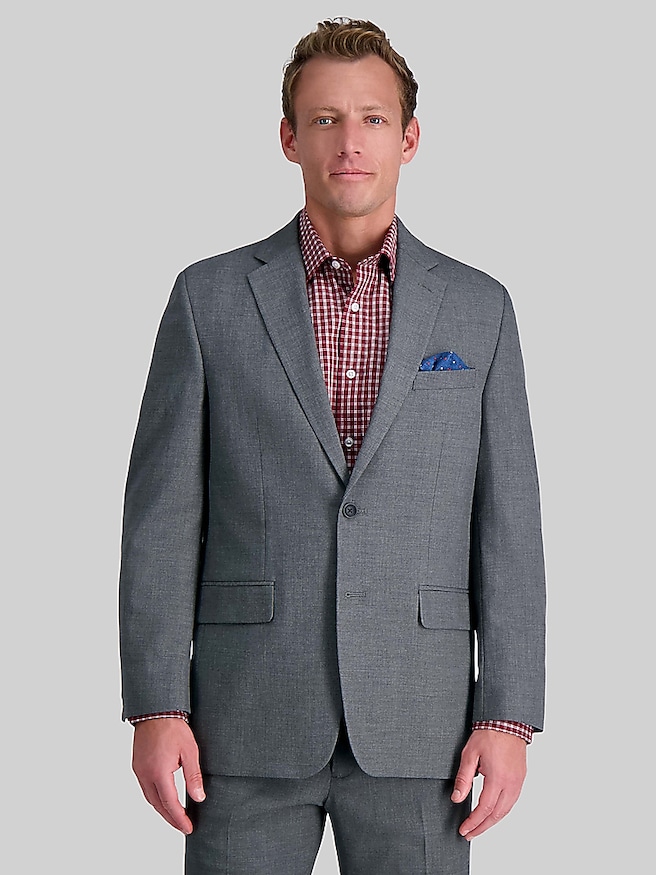
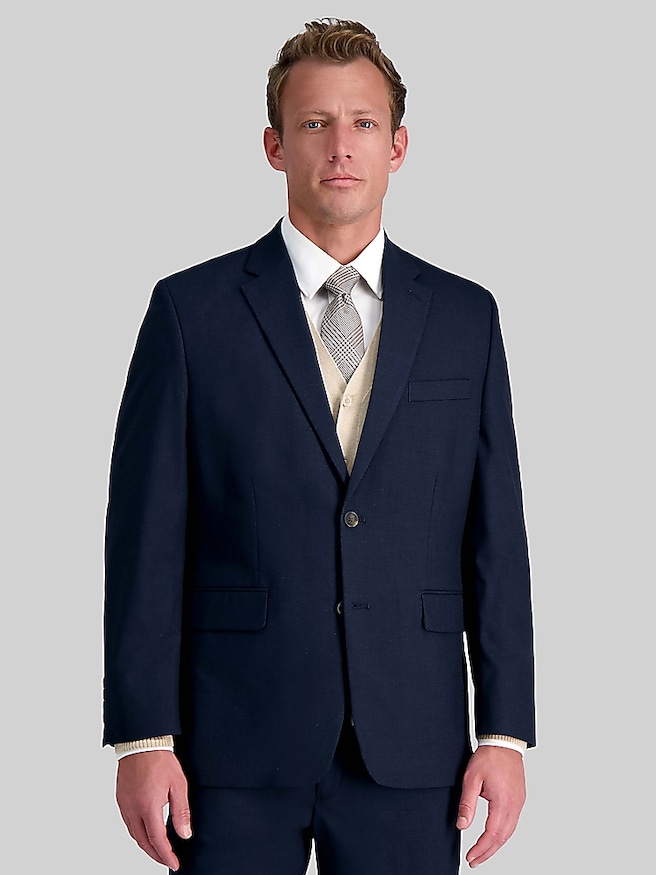
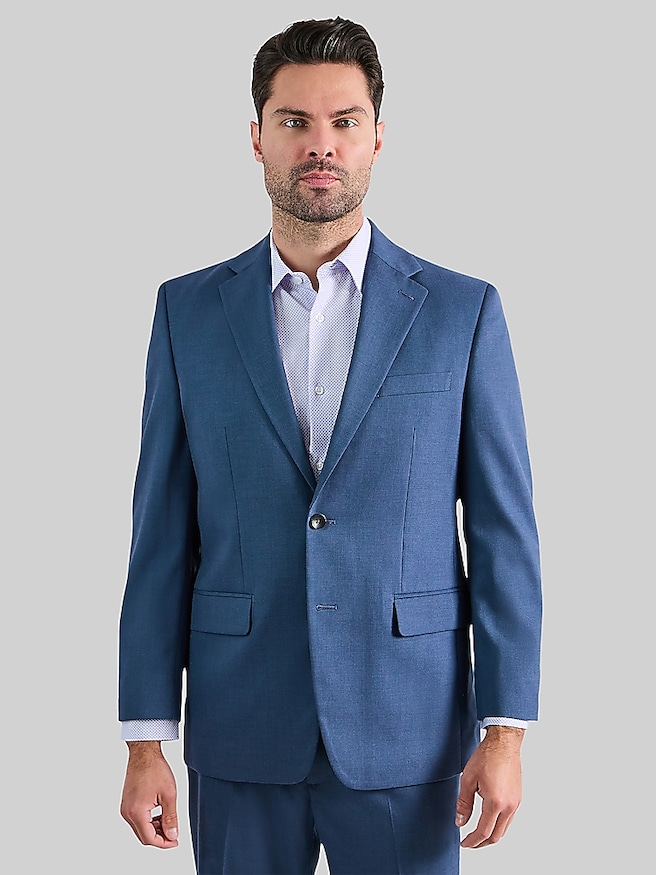
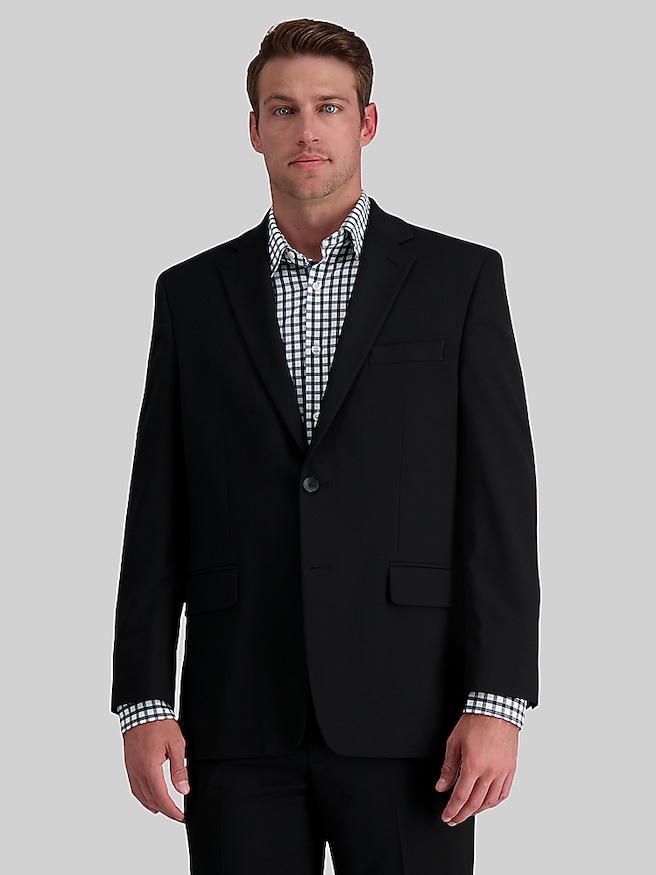
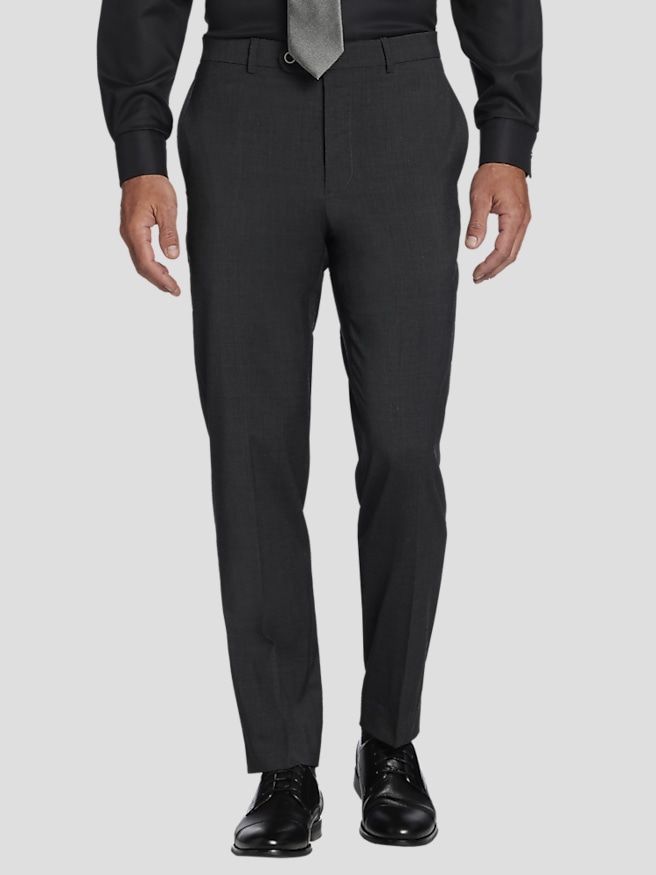
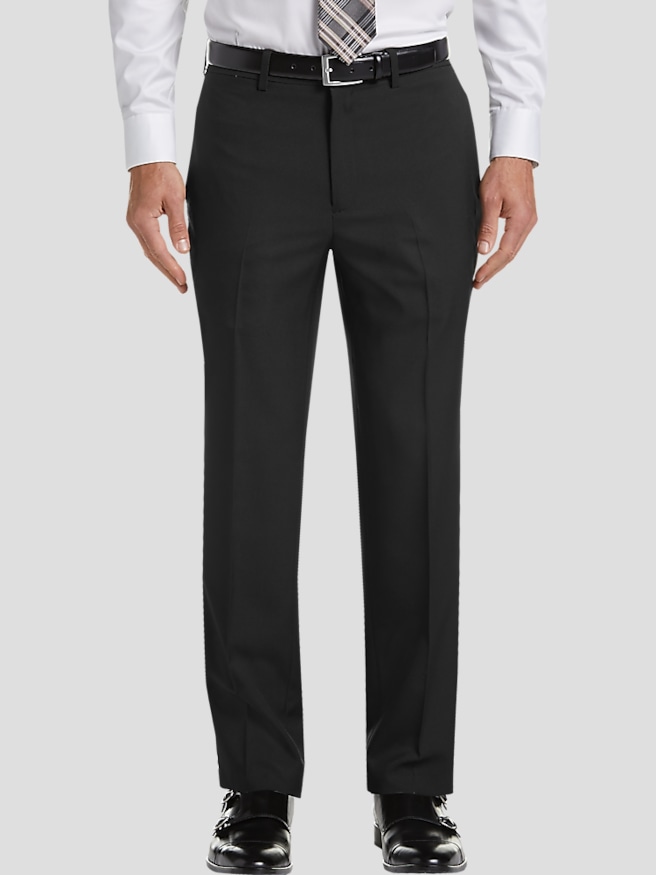
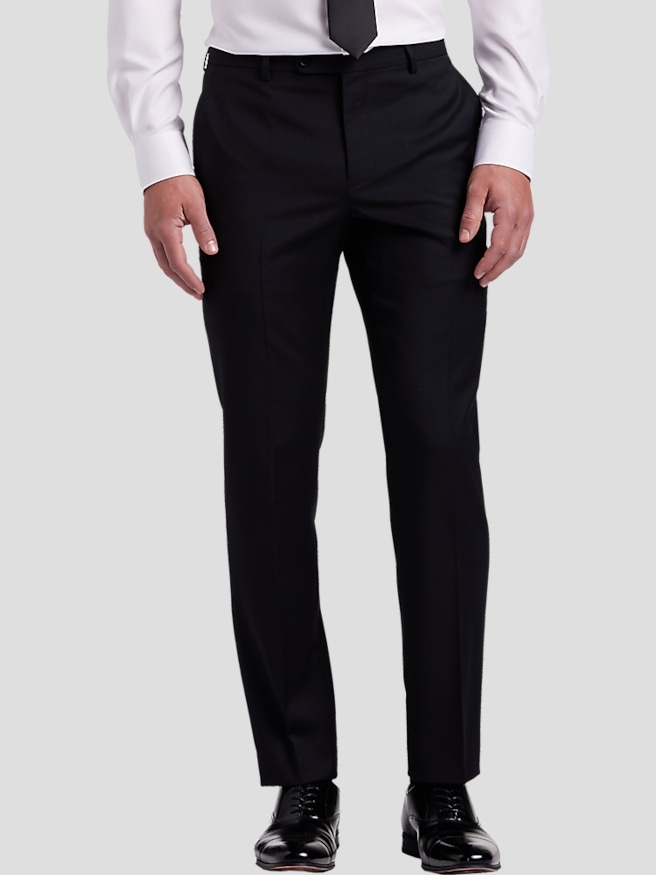
Dress wool pants bring a distinctive balance of structure, comfort, and texture to a polished wardrobe. The fabric has enough body to create a clean line through the leg, yet it can move with a natural fluidity that keeps tailored clothing from feeling stiff. That balance suits a wide range of settings, from a client presentation followed by dinner to a wedding reception where looking put together matters as much as being comfortable in a chair. Wool fibers have a natural crimp that contributes to resilience, helping the cloth recover from some of the creasing that comes with everyday wear. The result still depends on the weave, fabric weight, and construction; not every pair will feel or perform the same way. Smooth worsted wool typically has a refined surface and a crisp drape, making it a familiar choice for business clothing and dressier occasions. Wool flannel has a softer, lightly fuzzy finish that adds visual depth and feels especially appropriate during the cooler months. Lightweight wool can work well indoors and across seasons, while a more substantial cloth provides additional body and warmth. Wool blends offer other possibilities, with added fibers sometimes contributing stretch, strength, or a particular texture. Checking the fiber content helps set expectations for feel and care rather than relying on appearance alone. Color also shapes how often a pair becomes part of the weekly rotation. Charcoal and navy provide versatile foundations for dress shirts, knitwear, and tailored jackets, while medium gray brings a lighter contrast to dark shoes and outerwear. Subtle patterns can add interest without competing with the rest of an outfit. For wardrobes centered on meetings, office days, and professional events, Wool Business Pants belong to the same tradition of practical tailoring: clothing that looks composed at the start of the day and remains comfortable through the last appointment. The appeal is less about dressing formally for its own sake and more about having a dependable foundation that makes getting dressed straightforward.
Fit gives wool dress pants much of their character, and the best silhouette allows the fabric to hang rather than pull. A waistband should sit securely at the intended position without digging in when seated or needing a tightly cinched belt to stay in place. The seat and thighs need enough room for a normal stride, climbing stairs, and sitting through a long meal. Horizontal tension lines, pockets that flare open, or a fly that does not lie flat can suggest that the cut needs more room or another proportion. A slim silhouette creates a close, defined outline, while a straight or fuller leg leaves more space and emphasizes the movement of the cloth. Neither approach is automatically more polished; the relationship between the pants and the wearer matters more than the label. Rise makes a noticeable difference, too. A higher rise can meet a tucked shirt comfortably at the waist and work well beneath a tailored jacket, while a lower rise changes the proportions of the outfit. Pleats provide room that can open with movement, and a flat front offers a simpler visual line. Length should be considered with the shoes most likely to accompany the pants. A slight break creates a small fold where the hem meets the shoe, while little or no break produces a cleaner, shorter finish. Excess fabric gathering around the ankles can obscure an otherwise thoughtful fit. Hemming is often the final step that makes the proportions look intentional, and any planned alterations should account for the original construction. For a presentation, smooth wool trousers pair naturally with a pressed cotton shirt, leather lace-ups, and a jacket with a compatible texture. For dinner, a fine-gauge sweater and loafers can soften the same tailored foundation. During colder weather, a substantial overcoat adds warmth without requiring the pants themselves to be unusually heavy. When wearing trousers with a separate jacket, a deliberate contrast in shade or texture generally looks more cohesive than an almost-matching combination that resembles an incomplete suit.
Thoughtful care helps preserve the qualities that make wool dress pants worth wearing repeatedly: a smooth drape, a defined crease, and a surface that looks clean without looking overworked. The care label should always take priority, especially with blends, linings, and structured waistbands that may respond differently to moisture or heat. Many tailored wool pants call for dry cleaning, but cleaning frequency should reflect actual soil and wear rather than an automatic schedule after every outing. Between wears, letting the fabric air out and rest gives moisture time to dissipate and helps minor wrinkles relax. A gentle clothing brush can lift surface dust before it becomes embedded in the cloth. Hanging pants neatly on a suitable trouser hanger supports their shape; crowded storage and sharp folds can create creases that take more effort to remove. If steaming is permitted, a light touch and an appropriate distance from the fabric are preferable to saturating it. Direct pressing requires particular care because excessive heat or pressure can leave shiny areas, especially on dark wool. A professional cleaner or tailor can advise on restoring a crease without flattening the fabric’s character. Small spills are best addressed promptly by blotting rather than rubbing, followed by care appropriate to the stain and garment instructions. Durability also comes from rotation and fit. Wearing the same pair day after day concentrates friction at the seat, thighs, and pockets, while a fit that strains at seams adds unnecessary stress. Alternating pairs and avoiding overfilled pockets can help maintain both appearance and construction. For travel, folding along the existing crease and unpacking soon after arrival can reduce the effort needed before an event. Dress wool pants can also make a thoughtful gift for someone beginning a professional role, returning to an office routine, or building a wardrobe for meaningful occasions. Familiarity with the recipient’s measurements, preferred rise, and usual silhouette makes that choice more personal. With the right proportions and sensible care, these trousers can become a familiar part of daily dressing rather than clothing reserved only for exceptional moments.