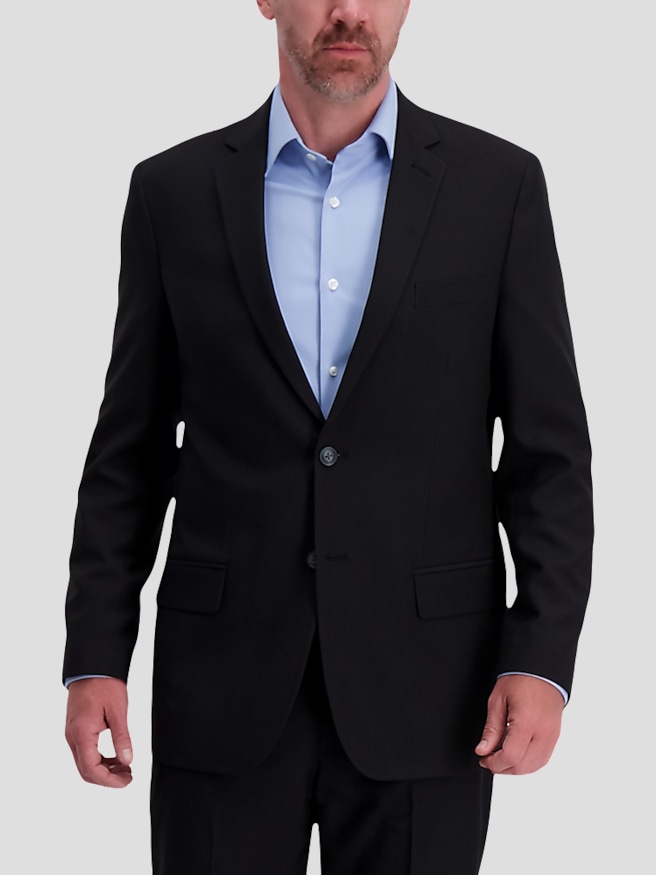
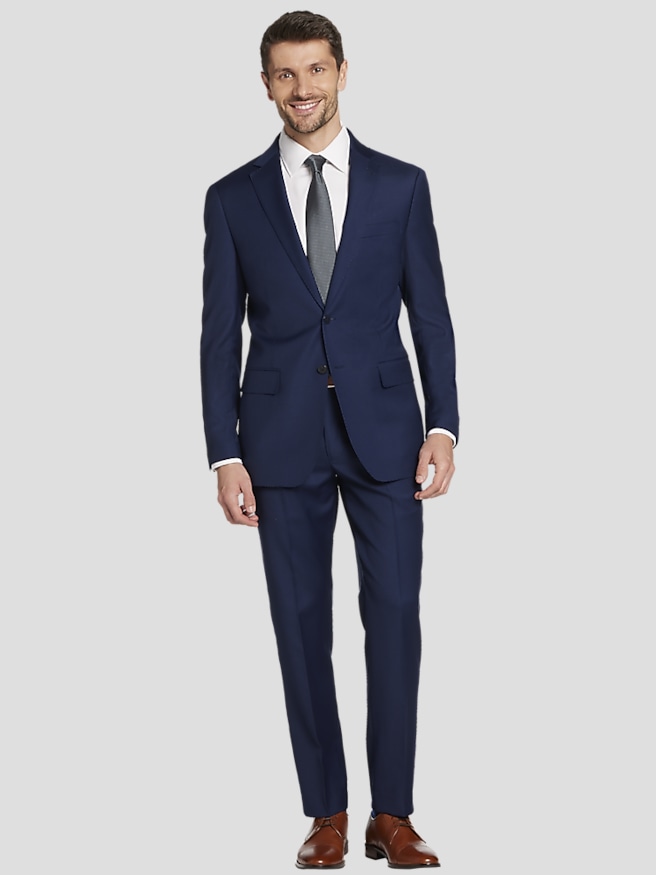
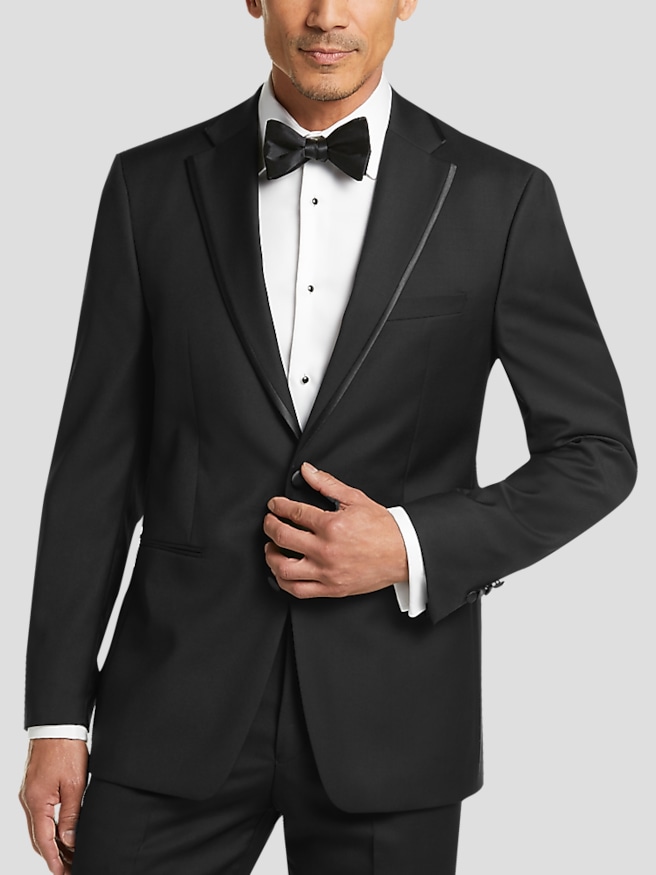
A double-breasted jacket for Valentine's Day brings a distinctive shape to an evening outfit: an overlapping front, two columns of buttons, and lapels that frame the shirt or knitwear underneath. The effect is polished without requiring a full formal ensemble, making this style well suited to dinner reservations, a theater performance, or an anniversary celebration that falls on the holiday. Its roots in traditional tailoring give it presence, while fabric, color, and construction determine whether the finished look feels relaxed or dressed up. Navy and charcoal create a restrained foundation, especially with a white shirt and dark leather shoes. Burgundy offers a richer expression of the occasion, while muted pink can introduce color without making the entire outfit feel themed. A subtle check or textured weave adds interest at close range, something that works particularly well across a small dinner table. Peak lapels, commonly associated with double-breasted tailoring, draw the eye upward and lend definition to the chest and shoulders. Button placement also changes the visual balance: a higher fastening point creates a more enclosed front, while a lower one leaves more room for a shirt, tie, or fine-gauge sweater to show. For a restaurant with a dressier atmosphere, tailored trousers and a crisp dress shirt keep that structure consistent from top to bottom. At a neighborhood bistro or a low-key evening gathering, dark denim and a lightweight knit can soften the impression without losing the jacket's character. The most successful combination reflects the setting and the wearer's habits rather than treating Valentine's Day as a costume occasion. Someone who usually favors quiet colors might prefer a burgundy pocket square over a brightly colored jacket; someone comfortable with expressive tailoring may enjoy a patterned fabric balanced by simple trousers. That flexibility makes the double-breasted silhouette useful beyond one celebration, with a place at wedding receptions, milestone dinners, and other occasions that call for a little extra attention to dress.
Fit matters especially with a double-breasted jacket because the overlapping front needs enough room to lie smoothly when fastened. Shoulder seams should sit close to the natural shoulder line, with sleeves falling cleanly rather than twisting or forming deep dents beneath the shoulder. Across the chest, the lapels should rest against the jacket instead of bowing outward. Pulling around the fastening button, pronounced diagonal creases, or a front that lifts away from the body can indicate that the cut is too tight. Extra fabric collapsing at the sides can suggest the opposite. A defined waist can look sharp, but comfort should remain part of the silhouette: reaching for a glass, greeting a companion, and sitting through a long meal should not feel restrictive. The internal anchor button, when present, helps support the overlapping panel and keep the front aligned. Outer fastening conventions vary by button configuration, so the jacket should close at its intended fastening point rather than having every visible button secured. Length contributes to the balance, too; a traditionally proportioned jacket generally covers the seat, while shorter cuts create a more abbreviated line. Trouser rise deserves consideration alongside jacket length, since a very low waistband may leave an awkward strip of shirt visible beneath the closed front. Materials influence both appearance and ease of movement. Wool can provide a clean drape and natural resilience, while wool blends vary in texture, stretch, and recovery according to their composition. Brushed finishes and softly textured weaves create visual depth; smoother cloth tends to read as more formal. Velvet brings a plush surface and a stronger evening association, though its pile needs careful handling to avoid pressure marks. A lightweight lining can help the jacket slide over a shirt, while lighter internal structure allows a softer outline. Neither construction is automatically better: a firmly shaped shoulder suits someone seeking definition, while a softer shoulder may feel more natural on someone accustomed to casual layers. Trying the jacket over the intended shirt or sweater gives a more useful sense of fit than assessing it over an unrelated layer.
Finishing details turn a double-breasted jacket into a complete Valentine's Day outfit without competing with its strong front. A fine black turtleneck creates an uninterrupted line beneath navy, gray, or burgundy tailoring, while an open-collar dress shirt leaves a little space around the face. With a tie, a knot proportionate to the shirt collar and jacket lapels keeps the upper half balanced. A pocket square can echo one color elsewhere in the outfit without matching the tie exactly, and a simple fold usually provides enough contrast against textured cloth. Trousers with a clean drape complement the jacket's shape; excessively tight legs can make the upper body look disproportionately broad. Leather loafers work with relaxed tailoring, while lace-up dress shoes give the outfit a more formal finish. For anyone considering another silhouette for the occasion, Single Breasted Suits For Valentine's Day offer a narrower front overlap and a different visual balance. A double-breasted jacket can also make a thoughtful gift for a partner who enjoys dressing for memorable evenings, particularly when their measurements, preferred shoulder shape, and usual layering choices are known. A familiar color often gives the recipient more opportunities to wear it afterward. Long-term use depends on care as much as styling. Follow the garment's care label, since the outer fabric, lining, and internal construction may have different needs. After wearing, empty the pockets and place the jacket on a broad, shaped hanger that supports the shoulders. Let it air in a ventilated space before storing it with enough room to avoid crushing the lapels. Gentle brushing may suit some wool fabrics, but delicate surfaces require fabric-specific care. Blot spills promptly rather than rubbing them, and seek professional attention for stains or pressing when the label calls for it. Rotating wear, avoiding overfilled pockets, and addressing loose buttons early help preserve the jacket's shape, leaving it ready for another dinner, celebration, or evening worth dressing for.