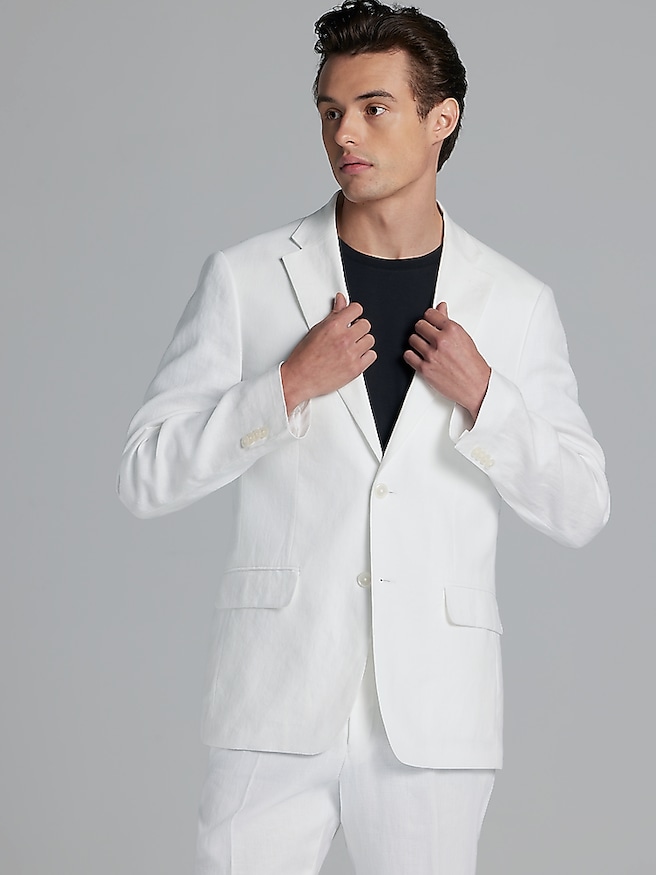
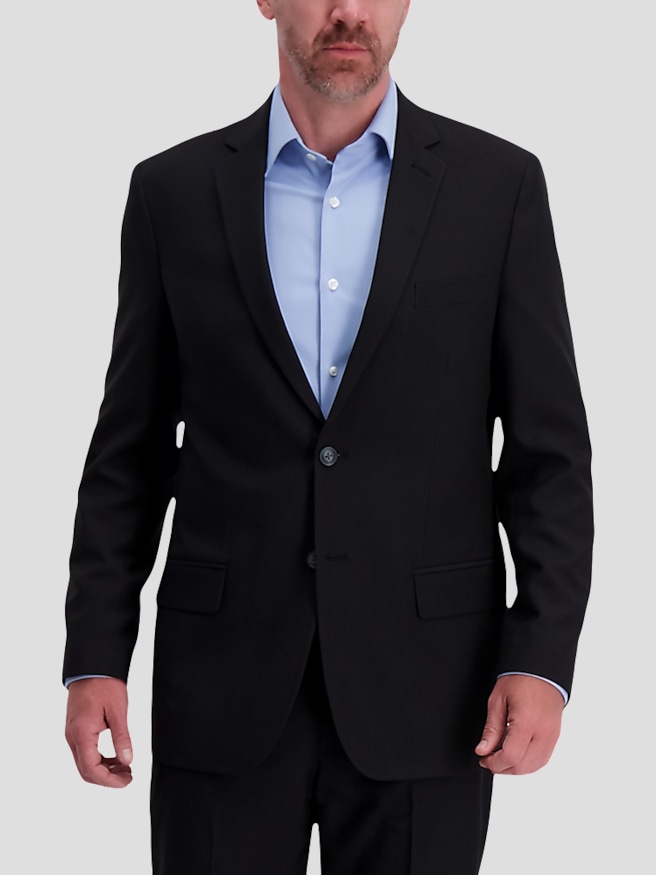
Destination wedding outfits for men combine occasion-appropriate tailoring with fabrics and details that feel comfortable away from home. Linen, cotton, lightweight wool, and blends of these fibers are common choices, with each offering a distinct balance of texture, structure, and ease of wear. The right combination reflects the invitation, the venue, and the wearer’s role in the celebration rather than treating every destination wedding as a casual event. A groom exchanging vows beside the ocean may favor a softly structured suit, while a guest attending a formal reception at a historic estate may need a darker suit or a tuxedo when the dress code calls for one. Sand, stone, light gray, and blue create an understated palette that works with a range of settings; navy and charcoal offer a more traditional foundation for dressier celebrations. Color coordination matters most when it supports the event without making every detail match. A textured tie can complement a smooth suit, and a pocket square can pick up a subtle shade from a shirt without repeating its pattern exactly. For wedding parties, a shared color palette and consistent level of formality can create a cohesive appearance even when individual fits differ. Jackets and dress pants also offer flexibility for celebrations that permit separates, especially when the contrast between the two looks deliberate. A navy jacket with stone trousers reads differently from a matching suit, so the invitation remains the clearest reference for how formal an outfit should feel. Destination wedding clothing can serve grooms, attendants, family members, and invited guests, with options suited to ceremonies, rehearsal dinners, and receptions. Pieces that coordinate across those occasions can simplify packing while allowing each event to have its own character. The result is an outfit that belongs in the setting, looks considered in photographs, and remains practical through an extended celebration.
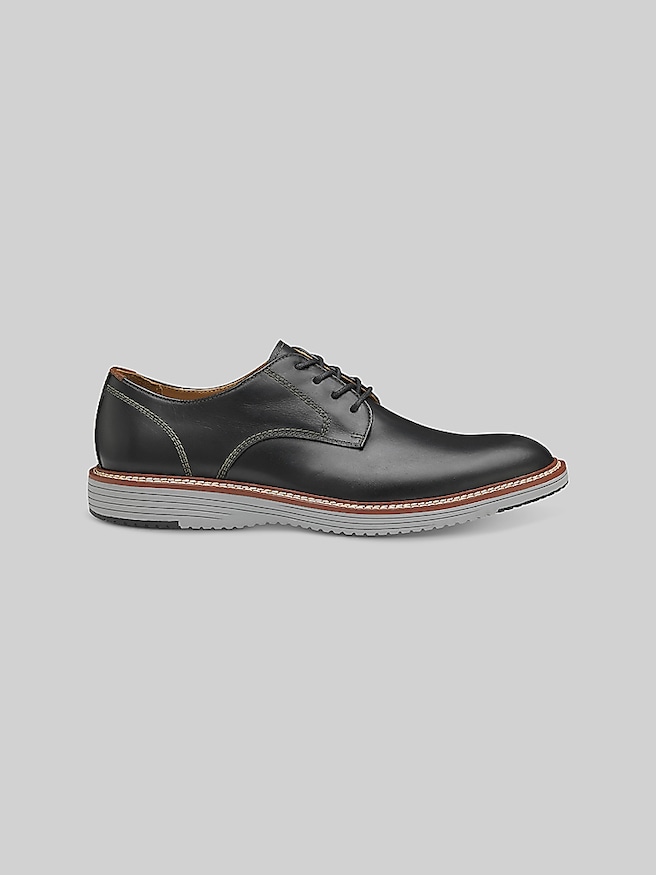
Fabric and fit shape how destination wedding attire looks and feels from the first greeting to the final dance. Linen has a visible weave and a relaxed drape, with natural creasing that contributes to its character rather than signaling poor quality. Cotton generally offers a more matte appearance and a familiar feel, although its weight and construction vary considerably. Lightweight wool can provide a smooth surface and fluid drape, and many wool fabrics recover from minor wrinkles more readily than linen. Blends may balance these qualities, but the fiber percentages, weave, lining, and overall construction matter more than a broad fabric label alone. A lightly lined or partially lined jacket can feel less substantial than a fully lined version, while a structured jacket creates a more defined silhouette. Neither construction is automatically more appropriate; the distinction is useful when matching the outfit’s appearance to the event. Fit should allow comfortable sitting, walking, and raising a glass without pulling across the back or fastening point. Jacket shoulders should sit cleanly, the collar should rest close to the shirt collar, and sleeves should leave a modest amount of shirt cuff visible. Dress pants need enough room through the seat and thigh to move easily, with a hem that works with the intended footwear. A slim silhouette should still provide mobility, while a classic fit should look purposeful rather than oversized. Alterations can refine sleeve length, trouser length, and waist fit, but they cannot always correct a poorly matched jacket shoulder. Shirt collars also deserve attention: they should accommodate a tie comfortably when one is required and sit neatly when worn open where the dress code permits. Footwear completes the proportions. Sleek lace-up dress shoes support formal tailoring, while refined loafers can complement less formal separates. Stable soles and a secure fit are especially useful for walking between ceremony and reception spaces, including stone paths, wooden decks, and other uneven surfaces. Trying the full combination together makes differences in trouser length, shirt coverage, and overall balance easier to notice.
Travel adds another layer of practical considerations to destination wedding outfits for men. Clothing that packs thoughtfully and can be refreshed according to its care instructions is easier to manage after a flight or a long drive. A garment bag helps limit unnecessary folding, while careful suitcase packing can reduce pressure on jacket lapels and trouser creases. Once unpacked, tailored pieces benefit from being placed on suitable hangers, with enough space to settle rather than remaining compressed between other garments. Care labels should determine whether steaming, pressing, laundering, or professional cleaning is appropriate; not every fabric or lining responds well to the same treatment. Linen’s creases may remain part of the finished look, while a sharply pressed cotton shirt can provide contrast against a more textured jacket. Durability also comes from sound construction and sensible care, including secure buttons, tidy seams, and avoiding repeated friction from an overloaded pocket or a tightly packed bag. Accessories can add distinction without creating extra bulk. A tie, pocket square, belt, and dress socks take little luggage space, yet they can change the tone of an outfit between a welcome dinner and the wedding itself. Where the ceremony setting is the main consideration, the Men's Outfit For Beach Wedding collection offers a more focused view of attire for a shoreline celebration. Across destinations, versatile colors and compatible separates can extend the usefulness of wedding clothing beyond a single trip, whether for an anniversary dinner, another invitation, or a professional occasion. Accessories may also make thoughtful gifts for a groom or attendant when they align with the planned attire and personal taste. Fit-sensitive clothing is best considered with accurate measurements and enough time for any needed adjustments. From the texture of a jacket to the length of a trouser hem, these details help destination wedding attire feel complete without becoming overly complicated. Well-considered combinations let the wearer participate comfortably, respect the occasion, and look polished throughout the celebration.