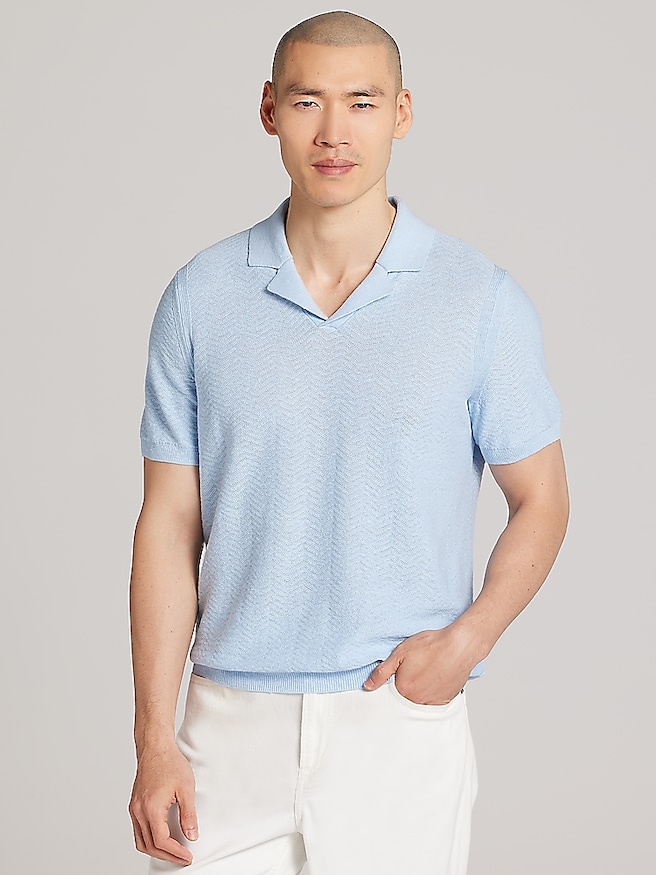
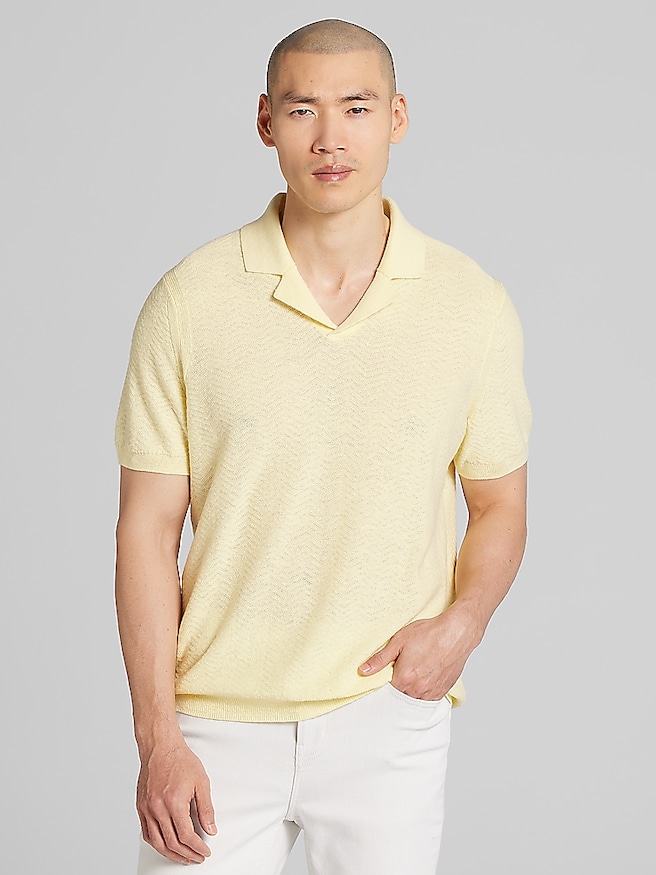
Cyber Monday shopping for merino wool sweaters centers on a versatile piece of men’s knitwear: a soft, breathable layer that can look relaxed over a T-shirt or polished beneath a jacket. Merino wool comes from Merino sheep and is known for fibers that are generally finer than those found in many traditional wool fabrics. That fineness helps explain its smooth feel, although softness also depends on fiber quality, yarn construction, and finishing. Wool naturally absorbs moisture vapor, helping a sweater feel comfortable through everyday changes in activity, from a walk to the office to an afternoon spent at a desk. Fabric weight and stitch construction matter just as much as fiber content. A fine-gauge knit has a relatively smooth, compact surface that slips neatly under tailoring, while a more substantial knit adds texture and a stronger visual presence. Neither is automatically better; each serves a different purpose in a wardrobe. Pure merino emphasizes the qualities of the wool itself, while blends may introduce stretch, added strength, or a different surface feel, depending on the other fibers used. The composition label provides a clearer picture than appearance alone. Crewnecks create a simple frame around the face and work with both casual and collared shirts. V-necks leave more room to show a shirt collar or tie, and cardigans offer an open-front alternative that is easy to adjust throughout the day. Ribbed cuffs and hems help define the shape, while the neckline’s finish contributes to how neatly the sweater sits. Color changes the effect, too: navy, charcoal, and muted brown blend easily with tailored trousers and denim, while burgundy or forest green adds depth without requiring a patterned outfit. A smooth merino sweater can soften the formality of dress pants, give dark jeans a more finished appearance, or add interest beneath an unstructured blazer. Its appeal is less about a single occasion than the number of familiar outfits it can bring together.
Fit makes those combinations work. A merino wool sweater should have enough ease to sit comfortably over its intended base layer without pulling across the chest or gathering heavily at the waist. On a traditional set-in sleeve, the shoulder seam generally sits near the shoulder’s edge; dropped-shoulder designs intentionally create a more relaxed outline. A close fit can look sharp under a blazer, but it should still allow easy movement when reaching for a bag or sitting through a long dinner. A roomier silhouette works well on its own, provided the sleeves and body length remain balanced. For everyday wear, a hem that reaches around the upper hip usually provides useful coverage without overwhelming the proportions of the outfit. Cuffs should rest comfortably near the wrist rather than bunching over the hands. Layering adds another consideration: a shirt collar needs room to lie naturally, and its fabric should not form obvious ridges beneath a lightweight knit. A smooth undershirt can help reduce direct friction against the sweater, while a crisp button-down gives a crewneck a more structured look. For a business-casual office, a fine-knit merino sweater with flat-front trousers and leather shoes offers polish without the stiffness of a full suit. For a family dinner, the same sweater can sit comfortably with dark denim and suede footwear. Travel is another practical setting, especially when one layer needs to work with several outfits and occupy relatively little space in a bag. The same attention to layering applies when considering Cyber Monday wool jackets: a smooth knit beneath a structured outer layer keeps the combination comfortable and visually balanced. A jacket should close without compressing the sweater, and the sleeves should move freely together. These small details often make the difference between knitwear that merely looks good on a hanger and a sweater that becomes part of a regular routine.
Care and construction help determine how well a merino wool sweater holds up to that routine. Fine wool fibers deserve thoughtful handling, and the care label should always take priority over general advice. Some merino sweaters are machine washable because of their particular treatment and construction; others require hand washing or professional cleaning. Merino content alone does not establish the correct method. When washing is permitted, a wool-appropriate detergent and the specified water temperature help protect the fabric, while avoiding vigorous rubbing reduces unnecessary friction. Wet knitwear can stretch under its own weight, so drying flat and gently returning the garment to its original shape is often important when the label allows home washing. Hanging a damp sweater by the shoulders can distort both the shoulder line and body length. Between wears, allowing the knit to air and storing it folded can help preserve its shape. Pilling is another practical consideration, particularly under the arms, along the sides, and anywhere a shoulder strap repeatedly rubs. Small fiber balls do not automatically signal poor quality; they can develop as loose fibers work toward the surface through wear. Careful removal with a tool suitable for the fabric can refresh the appearance without pulling at the surrounding stitches. Durable construction also shows up in even knitting, neatly finished seams, and cuffs that recover after gentle stretching. Those details are worth considering whether the sweater is intended for frequent office wear or occasional dinners. Merino knitwear can also make a thoughtful gift for a partner, father, brother, friend, or colleague whose style is familiar. A recipient who wears collared shirts regularly may appreciate a neckline that accommodates them, while someone with a relaxed wardrobe may get more use from a straightforward crewneck. Checking a well-fitting sweater’s measurements is more reliable than guessing from a size label alone. For a Cyber Monday gift, familiar colors, a comfortable fit, and care requirements that suit the recipient’s habits give the choice lasting usefulness beyond the occasion.