Cyber Monday leather goods bring together the finishing touches that make a wardrobe feel considered: a belt that sits neatly against tailored trousers, a wallet that carries the essentials without unnecessary bulk, and a bag that keeps a workday organized. Leather has a distinctive place in these everyday accessories because its appearance and feel can develop with use. A smooth surface creates a clean, dressier impression, while a pronounced grain adds texture to casual clothing and relaxed tailoring. Black leather often complements charcoal, gray, and navy; brown shades can introduce warmth alongside blue denim, tan chinos, and earth-toned separates. The best match depends on the clothing an accessory will accompany, rather than a rule that every leather surface must be identical. Similar tones and a consistent level of formality usually create a cohesive result. Materials also shape how leather goods perform over time. Full-grain leather retains the hide’s natural grain surface and may display individual markings, while top-grain leather has been sanded or otherwise refined for a more uniform appearance. Suede offers a soft, napped texture with a more casual character, though it requires care suited to that surface. A leather description alone does not establish overall quality: stitching, lining, edge finishing, and hardware all contribute to how an accessory handles repeated use. Closely spaced, even stitches and cleanly finished edges are useful details to consider, particularly at corners, folds, and attachment points. Flexibility matters as much as substance. Leather should have the structure appropriate to its purpose without feeling unnecessarily rigid or heavy. A compact accessory needs to move comfortably with its wearer, whereas a work bag benefits from enough body to protect its shape. These differences give leather goods their versatility, allowing the same material to serve a polished office wardrobe, a casual weekend routine, or the practical needs of someone frequently on the move.
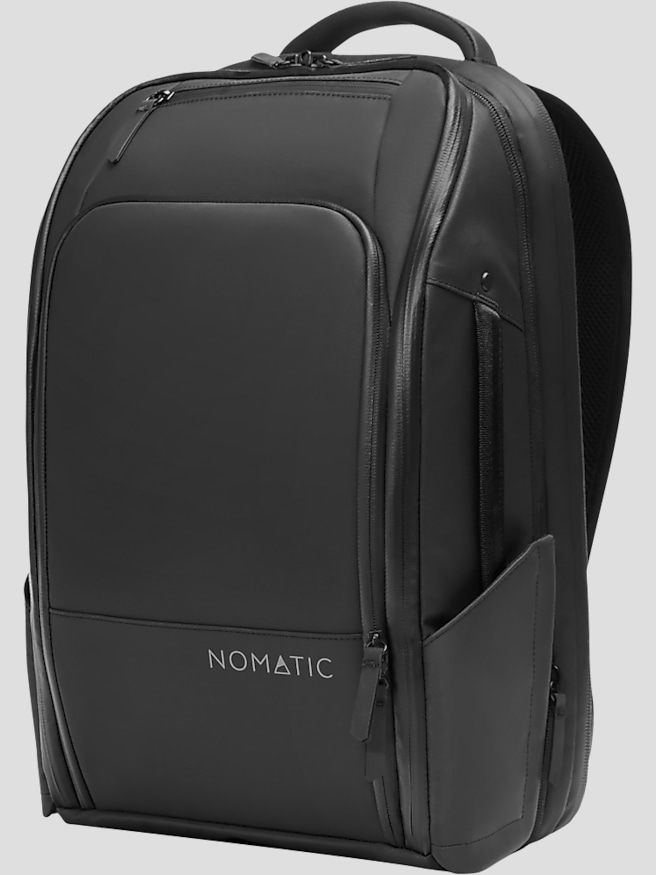
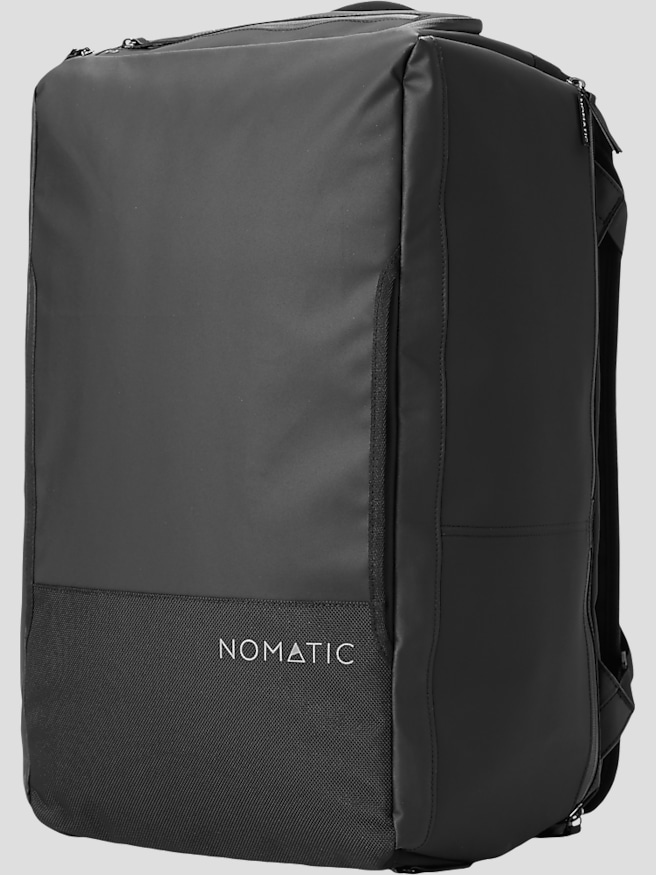
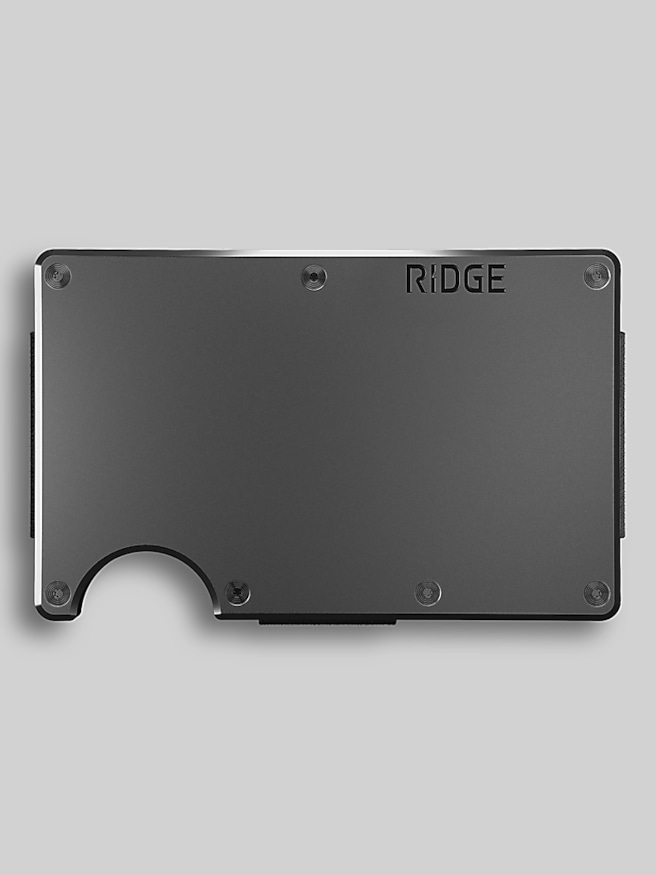
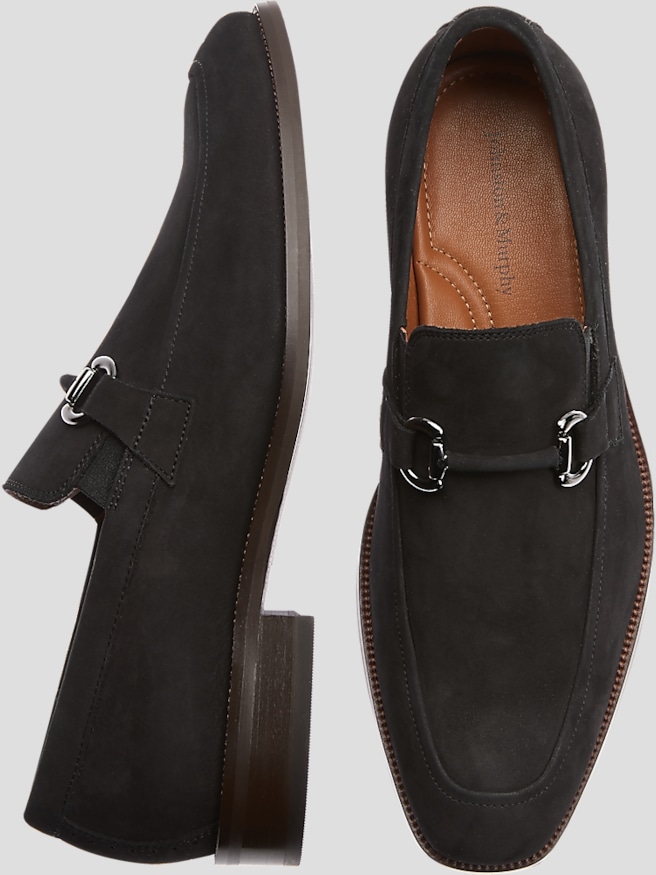
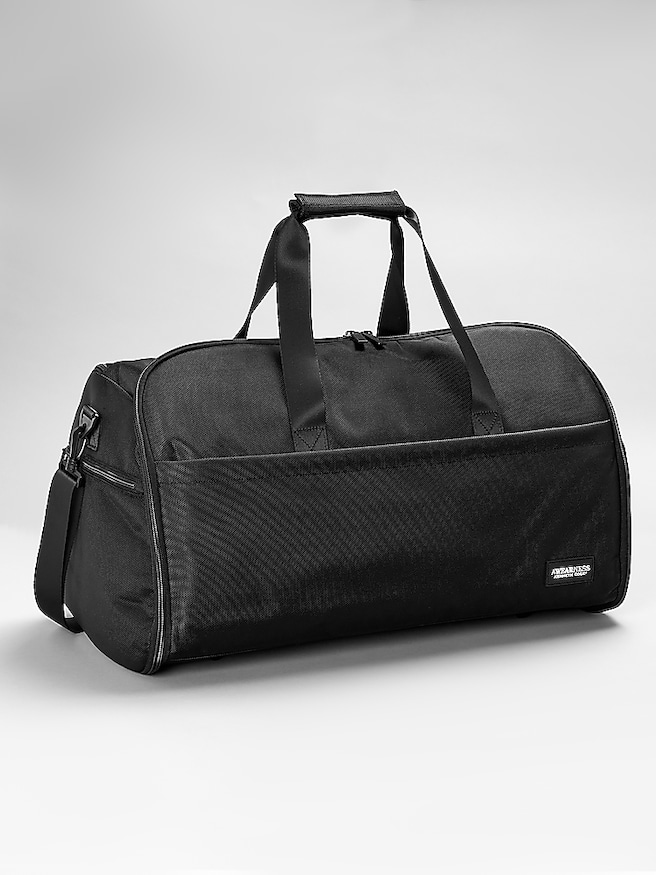
Proportion and intended use help distinguish leather accessories that look good from those that become part of a daily routine. A dress belt generally has a slimmer profile and a restrained buckle, making it a natural companion to tailored pants and tucked-in shirts. A wider belt with more visible texture tends to suit denim and other casual fabrics. Belt width should work with the garment’s loops, and the length should allow a comfortable fastening position without leaving an excessive tail. Because sizing conventions vary, the stated measurement method matters more than assuming a belt size will always match a pants size. Wallet construction involves a similar balance between capacity and comfort. A slim shape keeps a jacket or trouser pocket cleaner, while additional compartments can be useful for someone who carries several cards, identification, and receipts. Filling every slot changes the thickness, so the practical fit is the wallet’s shape when loaded, not simply when empty. For leather bags and briefcases, organization should reflect what actually travels each day. A dedicated compartment can separate a computer from paperwork, but its internal dimensions and padding determine how well it accommodates the device. Secure closures, accessible pockets, comfortable handles, and reinforced strap attachments all have a role in everyday function. Someone walking between transit stops and an office may value a comfortable shoulder strap, while someone carrying documents between meetings may prefer a structured silhouette that stays upright. Hardware should operate smoothly without catching the lining or requiring awkward pressure. Coordinating these accessories with footwear can bring the whole outfit together without making it feel overly matched. For a related footwear direction, Cyber Monday On Slip On Loafers connects naturally with the clean lines of leather belts and compact accessories. Smooth finishes support a tailored look, while visible grain and softer shapes feel at home with more relaxed clothing. Repeating a general color family is often enough; small variations in shade can add depth rather than distract.
Leather goods also lend themselves to thoughtful Cyber Monday gift shopping because they can be chosen around a recipient’s habits rather than a passing trend. A father who keeps a wallet for years, a partner settling into a new job, or a recent graduate building a professional wardrobe may appreciate an accessory that fits an established routine. The most personal details are often practical: whether someone carries cash, prefers understated hardware, wears mostly black or brown shoes, or needs both hands free during a commute. Neutral colors and simple shapes are versatile, but a familiar texture or preferred closure can make a gift feel especially well considered. Longevity depends partly on those choices and partly on care after the accessory becomes part of everyday life. Leather is durable, but it is not maintenance-free or automatically waterproof. Smooth finished leather can often be wiped with a soft, dry cloth to remove surface dust; any cleaner or conditioner should be appropriate for the finish and tested first in an inconspicuous area. Conditioning needs vary, and too much product can leave residue or alter the surface. Suede and nubuck generally call for dedicated brushes and treatments rather than the products used on smooth leather. If leather becomes damp, gentle blotting and air-drying away from direct heat help limit damage. Storage matters, too. A bag kept loosely filled with clean tissue can retain its shape, while breathable storage helps prevent trapped moisture. Avoiding overstuffed compartments reduces strain on seams, corners, and closures. Over time, some leathers develop a patina, with subtle changes in color and sheen where hands and clothing touch the surface. That character is distinct from cracking, peeling, or weakened stitching, which can signal deterioration rather than desirable aging. With suitable materials, balanced construction, and a shape that serves its purpose, leather accessories can remain useful through years of workdays, travel, celebrations, and ordinary errands. Their appeal lies in that combination of tactile character and everyday function: details that complete an outfit while quietly doing the job they were chosen to do.