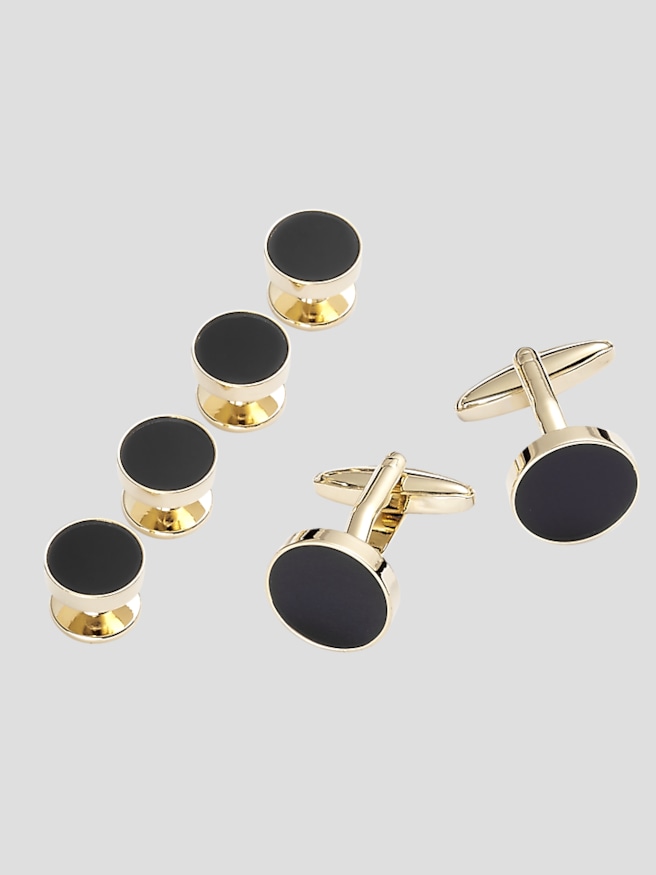
Cufflink and stud sets bring two small but important details of formal dressing into agreement: the fasteners at the cuffs and the decorative closures down the shirt front. A typical set includes two cufflinks and four matching shirt studs, although the number of studs can vary, so the shirt’s construction matters as much as the appearance of the accessories. Cufflinks secure cuffs designed with holes on both sides, most commonly the folded-back French cuffs associated with formal dress shirts. Shirt studs replace buttons at designated openings on a compatible shirt front; they are not intended to push through an ordinary sewn-on button. Together, these accessories give a tuxedo shirt a consistent finish, with the same metal tone, face shape, or decorative material repeated from wrist to chest. That coordination is especially effective against a white shirt, where even a small black stone or polished metal edge becomes noticeable. For weddings, black-tie galas, formal dinners, and award ceremonies, a matching set can provide enough detail without competing with the bow tie, lapels, or pocket square. Men dressing for a first black-tie event may appreciate the simplicity of a coordinated set, while frequent formalwear wearers can use subtle changes in shape or finish to distinguish one look from another. Compatibility deserves attention before appearance alone: some formal shirts use a concealed button placket rather than studs, and others accommodate a different number of visible fasteners. Cuff thickness also affects how comfortably a cufflink passes through and closes. A well-proportioned face rests neatly against the fabric, while the post and fastening mechanism leave enough room for the cuff without pinching or pulling. Studs should sit securely in their intended openings without straining the shirt front. These are small accessories, but their proportions influence both comfort and the finished appearance, particularly when a jacket sleeve lifts to reveal the cuff during a handshake or a toast. The right match looks deliberate without drawing attention away from the person wearing it.
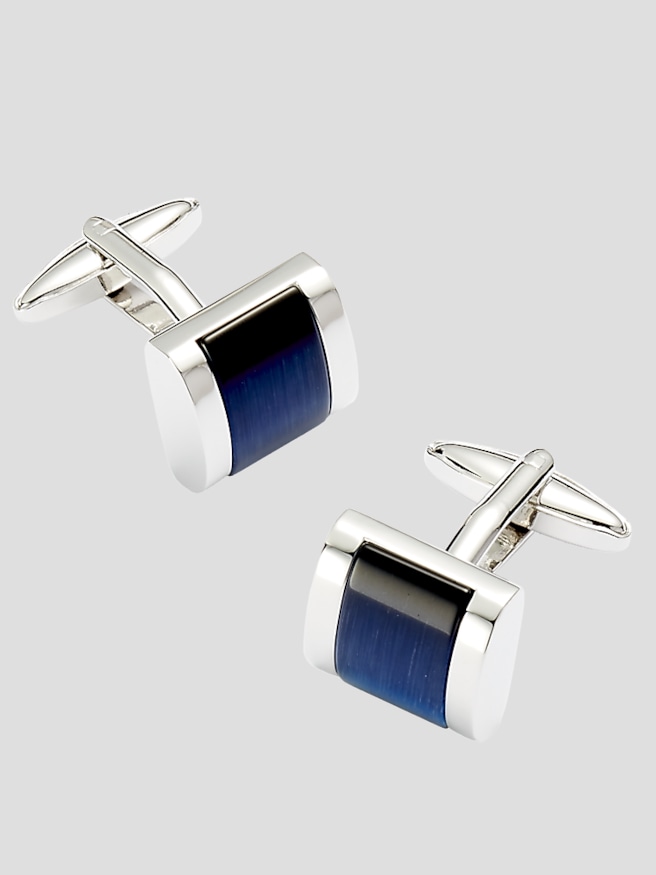
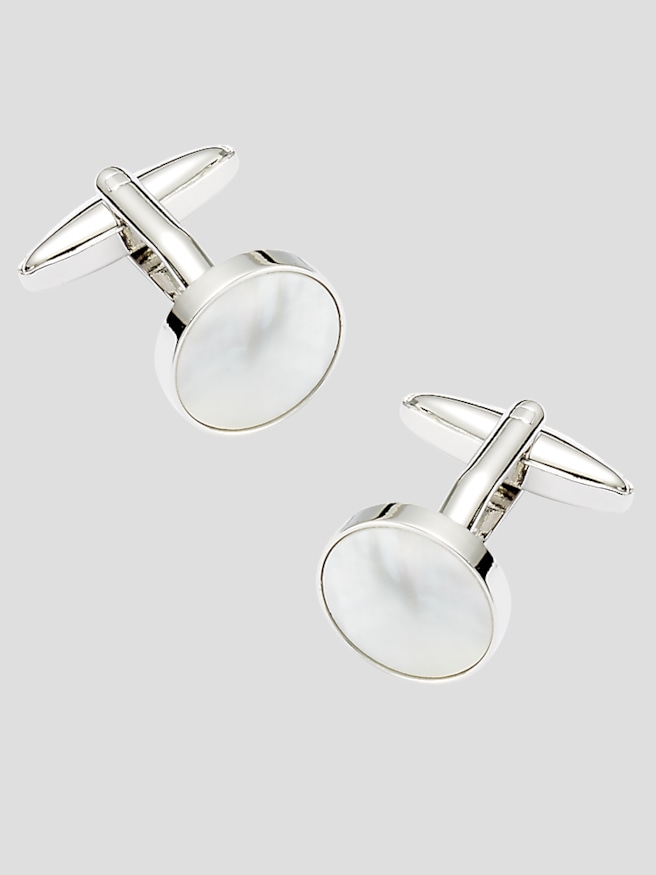
Materials and finishes give cufflink and stud sets much of their character. Stainless steel, brass, and sterling silver are among the metals used in formal accessories, sometimes with a plated finish that establishes a silver-tone or gold-tone appearance. The underlying metal and the surface treatment are separate considerations: a gold-tone finish does not necessarily indicate solid gold, and a silver-tone finish does not necessarily mean sterling silver. Stainless steel generally offers good resistance to corrosion, while sterling silver can develop tarnish and benefits from care suited to that material. Plated surfaces require a gentler approach because repeated abrasion can wear through the outer finish. Decorative faces add another layer of distinction. Black onyx provides a dark, polished contrast against white fabric; mother-of-pearl has a softer luster that can reveal subtle changes in color as it catches the light. Enamel offers a smooth colored surface, while an all-metal design emphasizes shape, texture, and reflection. These differences matter most at close range, making them well suited to formal clothing that relies on restrained details rather than large patterns. Round faces have a familiar, understated appearance, while the straight edges of square cufflinks create a crisp geometric accent beside a folded cuff. Face size and edge profile deserve consideration alongside shape. A broad or highly raised design may feel more prominent beneath a close-fitting jacket sleeve, while a lower-profile face can sit more discreetly against the wrist. Metal tone can also establish a connection with a watch case, wedding band, or other visible accessory, although every finish does not need to match exactly. A consistent tone between the cufflinks and studs already creates a strong visual relationship. With a black tuxedo and white shirt, dark faces framed in polished metal offer a traditional contrast; lighter faces can produce a more luminous effect. The event’s dress expectations and the wearer’s preferences should guide how decorative that contrast becomes.
Durability depends on more than the visible face of a cufflink or stud. Secure connections, smoothly finished edges, and a fastening mechanism that operates cleanly all contribute to accessories that remain comfortable and dependable through repeated wear. Toggle and bullet-back cufflinks use a movable bar to secure the cuff, while fixed-back designs have a different feel when passing through the fabric; the most comfortable choice depends partly on the shirt and the wearer’s dexterity. Shirt studs likewise need backs that hold securely in the appropriate openings. For an event with a full evening of greetings, dinner, and dancing, dependable fastening matters more than an elaborate surface detail. Care should reflect the complete construction, including any plating, stones, enamel, or bonded decorative elements. A soft, dry cloth after wear helps remove fingerprints and residue, and separate compartments in a storage case help prevent the pieces from rubbing against one another. Moisture, fragrance, hair products, and harsh cleaning chemicals can affect finishes, so accessories are best kept away from direct exposure. Abrasive polish, prolonged soaking, steam, or ultrasonic cleaning may be unsuitable for some materials, particularly delicate inlays or plated surfaces; the maker’s care directions take priority. A fitted case also makes a practical difference when formalwear travels, keeping small studs together instead of loose in a garment bag or suitcase pocket. As gifts, cufflink and stud sets suit grooms, groomsmen, fathers, sons, and anyone building a formal wardrobe. They do not require the same measurements as a jacket or shirt, but knowing that the recipient owns compatible formal shirts makes the gift more useful. A restrained design can serve across many occasions, while a distinctive material or shape can reflect personal taste. Whether chosen for a wedding day or years of formal events, a coordinated set earns its place through secure function, suitable proportions, and details that remain appealing each time the tuxedo comes out.