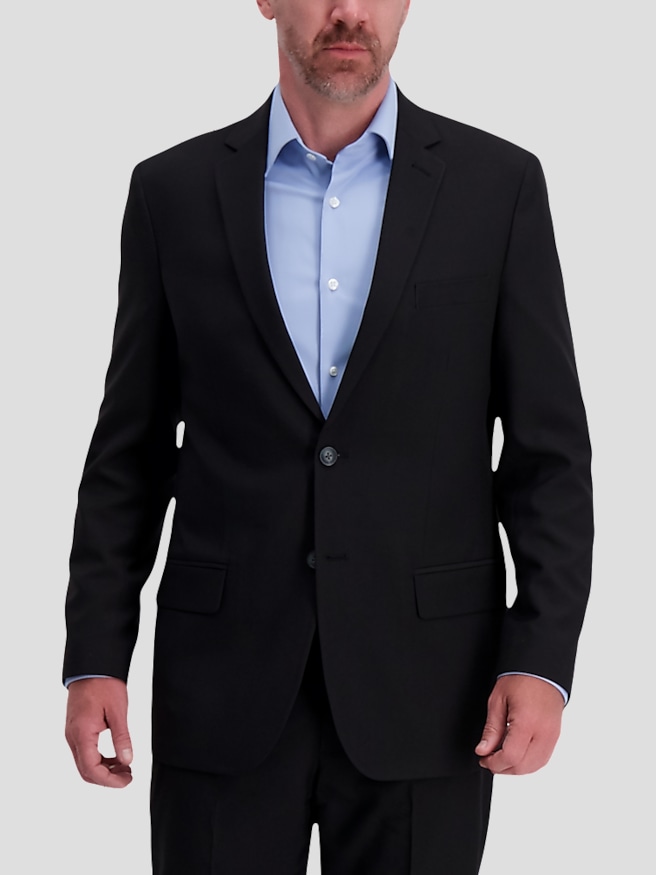
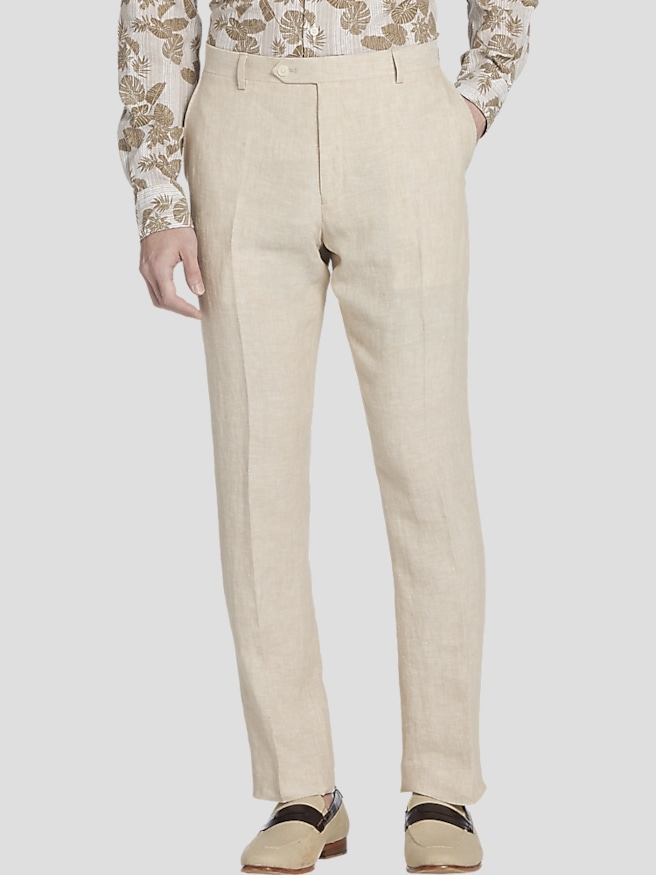
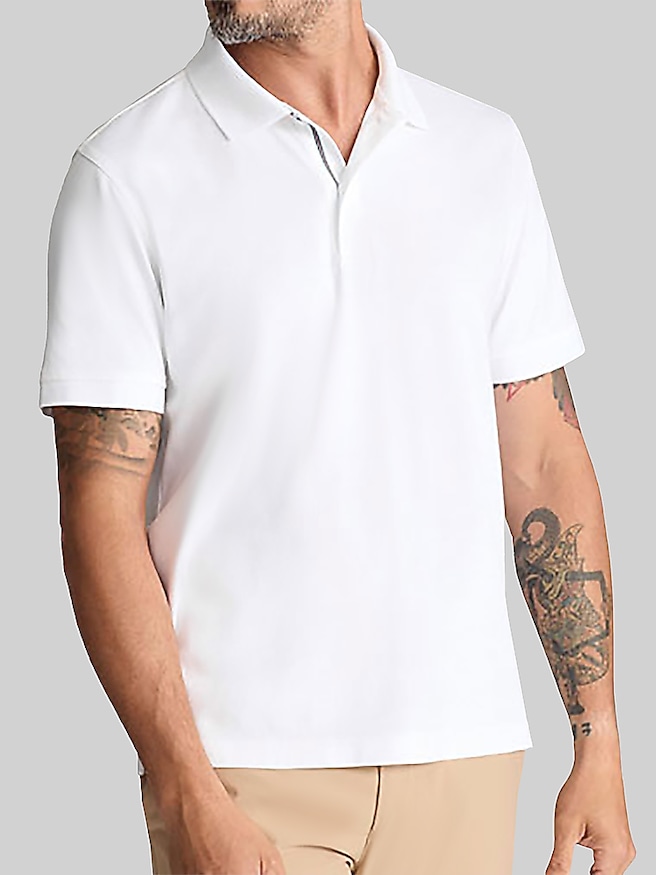
Cruise outfits for men bring together relaxed daytime clothing, polished dinner attire, and dressier pieces for evenings with a formal dress code. A well-rounded cruise wardrobe can include casual shirts, polos, shorts, chinos, tailored trousers, and a jacket, with a suit or tuxedo reserved for occasions that call for one. The right balance depends on the itinerary and the cruise line’s requirements, which can vary by ship, restaurant, and event. Clothing that looks appropriate over lunch ashore may not meet the expectations of a specialty dining room, while a formal dinner calls for more consideration than simply adding a jacket to daytime clothes. Versatility makes these distinctions easier to manage: neutral trousers can work with a patterned shirt at lunch and a crisp dress shirt for dinner, creating separate looks without filling a suitcase with single-use outfits. Navy, tan, gray, and white offer a flexible foundation, while stripes, textured fabrics, and restrained prints add personality without making coordination complicated. Casual cruise clothing should feel comfortable during extended sitting, walking, and time spent exploring ports. Cotton offers a soft, familiar feel, linen has an airy texture and naturally relaxed appearance, and blends can balance those qualities with stretch or easier maintenance. Fabric composition alone does not determine comfort; weave, weight, construction, and fit matter just as much. A tightly fitted shirt can restrict movement even when its fabric feels light, and overly loose trousers can look untidy despite careful styling. For an outfit that moves easily from a shipboard café to an afternoon excursion, a collared shirt with neatly fitted shorts or chinos strikes a useful balance between ease and polish. Poolside clothing serves a separate purpose, with swimwear suited to time in and around the water and a shirt and appropriate bottoms providing coverage before entering shared indoor spaces. Keeping each outfit connected to its intended setting helps cruise attire feel natural rather than overplanned.
The strongest casual and smart-casual cruise outfits start with proportions that feel comfortable throughout a full day. Shoulder seams should sit close to the edge of the shoulder, shirt fronts should lie smoothly without pulling between buttons, and waistbands should remain comfortable when seated. Shorts need enough room through the seat and thighs for walking and climbing stairs, while chinos and dress trousers benefit from a clean line through the leg and hems that do not bunch excessively over shoes. Stretch can support movement, but it should complement a sound fit rather than compensate for clothing that is too small. Shirt length also changes the overall effect: a shorter, balanced hem often looks tidy untucked, while a longer dress-shirt hem is designed to stay secured inside trousers. The range of Shirts For Cruises reflects the importance of this everyday foundation, from relaxed daytime dressing to more refined combinations for dinner. A polo brings structure at the collar without the formality of a dress shirt, while a woven button-front shirt can take on a casual or polished character depending on its fabric and styling. Linen’s visible creasing belongs to its easygoing texture; smooth cotton fabrics create a crisper impression but may need pressing after unpacking. Knit shirts offer softness and flexibility, though recovery at the collar, cuffs, and hem helps them retain their shape through repeated wear. Footwear should suit both the clothing and the activity. Supportive walking shoes make sense for excursions with long stretches on foot, while loafers or other dress shoes provide a more finished look with tailored trousers. Sneakers may work in some casual dining settings, but acceptance depends on the venue’s dress code. Socks, belts, and understated accessories can connect an outfit without adding much luggage bulk. A coordinated leather belt and shoes, for example, make a simple shirt-and-trouser combination look considered when arriving for an evening reservation.
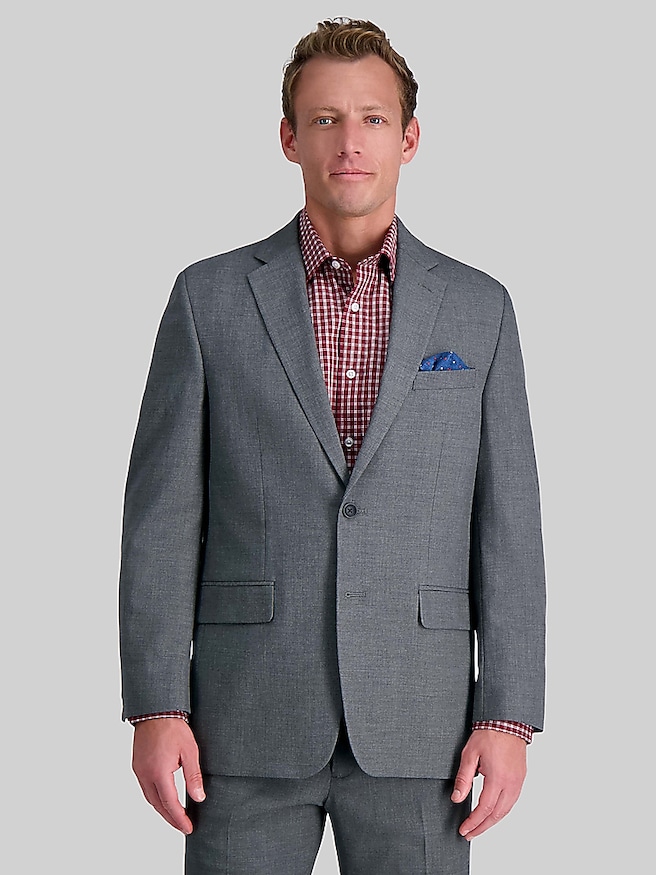
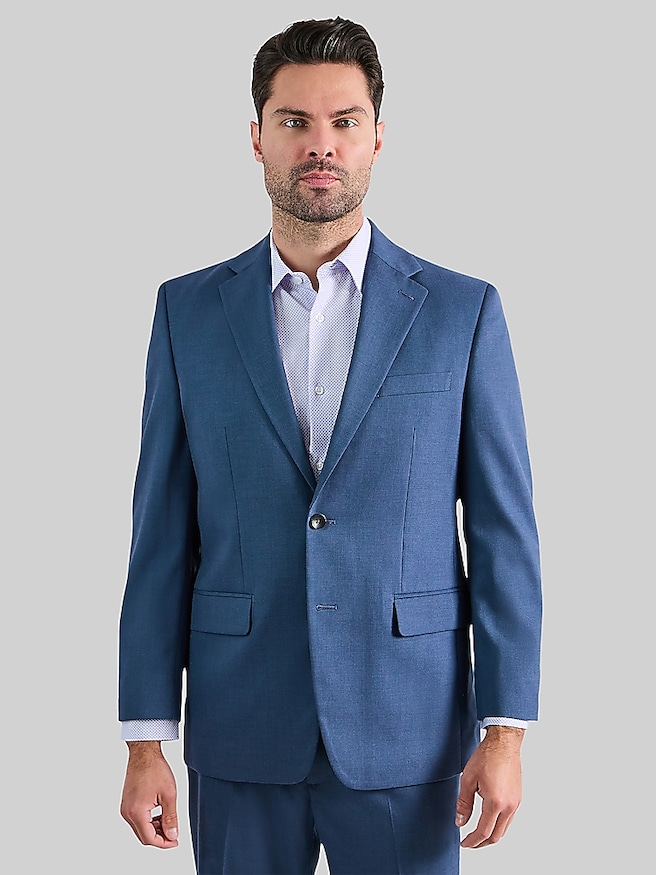
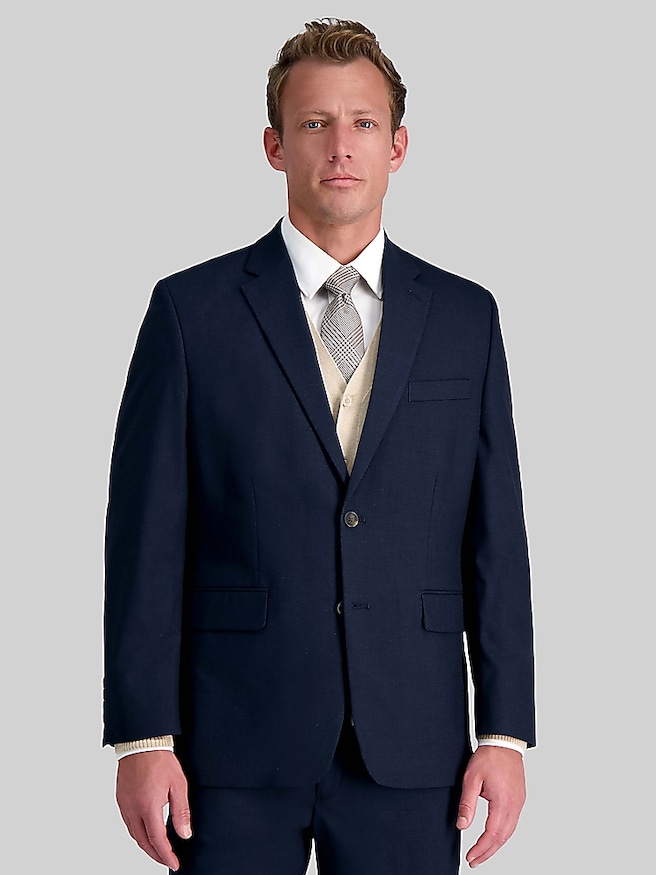
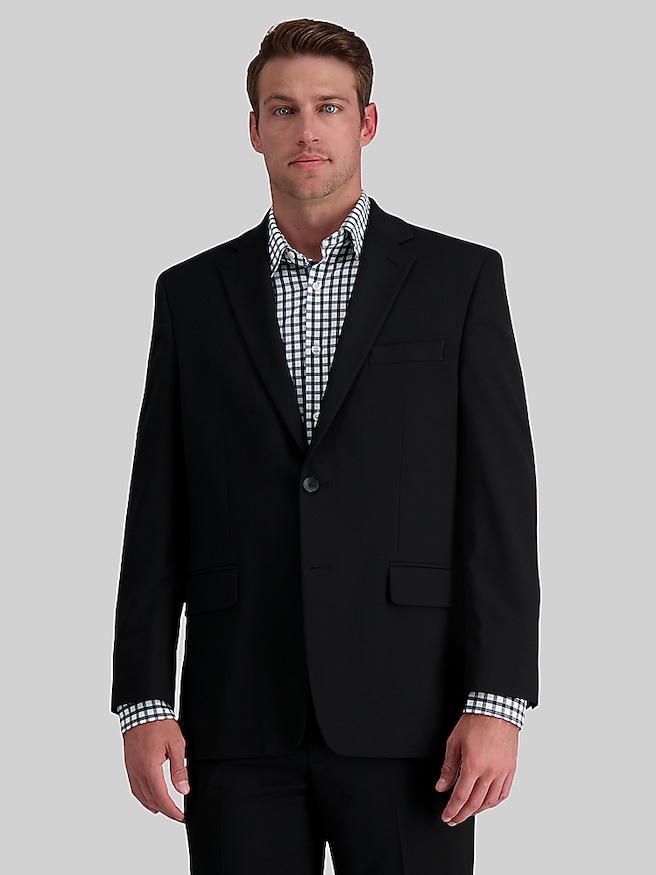
Evening cruise attire ranges from smart casual to genuinely formal, so those terms should not be treated as interchangeable. A sport coat with tailored trousers can suit a relaxed dressy evening when permitted, but it does not automatically replace a suit or tuxedo for an event with more specific expectations. A suit offers a coordinated appearance for celebratory dinners and dressier onboard occasions, while a tuxedo belongs with invitations or shipboard events that specify black tie. Checking the cruise line’s published requirements before choosing formal clothing helps prevent uncertainty at the dining-room entrance. Jacket fit deserves particular attention because it influences comfort and appearance at once: the collar should rest smoothly, the lapels should lie flat, and the fastening should not create pronounced pulling across the front. Trousers should allow comfortable sitting through a full meal, and dress shoes benefit from being comfortably broken in before departure. Fabric and construction also affect how well clothing travels. Wool can offer drape and resilience in tailored pieces, while some blended fabrics provide additional wrinkle resistance or stretch; neither quality should be assumed without checking the garment information. Durable cruise clothing combines secure seams, firmly attached buttons, stable hems, and fabrics suited to repeated use. Care labels remain the best reference for washing, drying, pressing, or professional cleaning, especially when a wardrobe includes both washable casual pieces and structured tailoring. Folding along existing creases, giving jackets space after unpacking, and separating footwear from clean clothing can help preserve a neat appearance in transit. Onboard laundry and pressing services vary, so clothing care is worth considering before departure rather than after a spill at dinner. These practical qualities also make cruise clothing a thoughtful gift for someone celebrating a honeymoon, anniversary, retirement, or long-planned voyage, provided the recipient’s measurements, preferences, and itinerary are known. Beyond the trip itself, versatile shirts, trousers, and tailoring can return to everyday dinners and celebrations, giving a cruise wardrobe a useful life well after disembarkation.