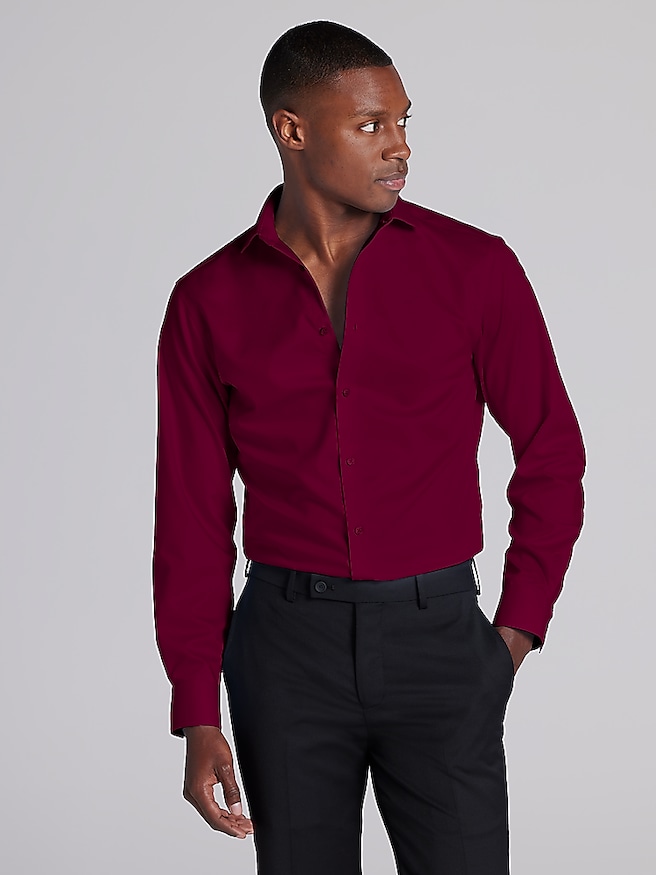
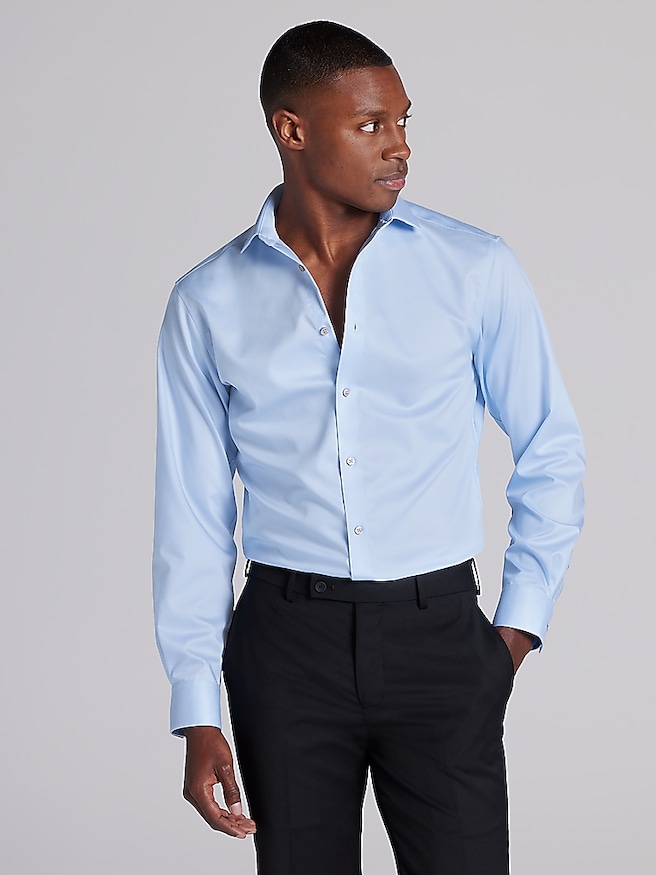
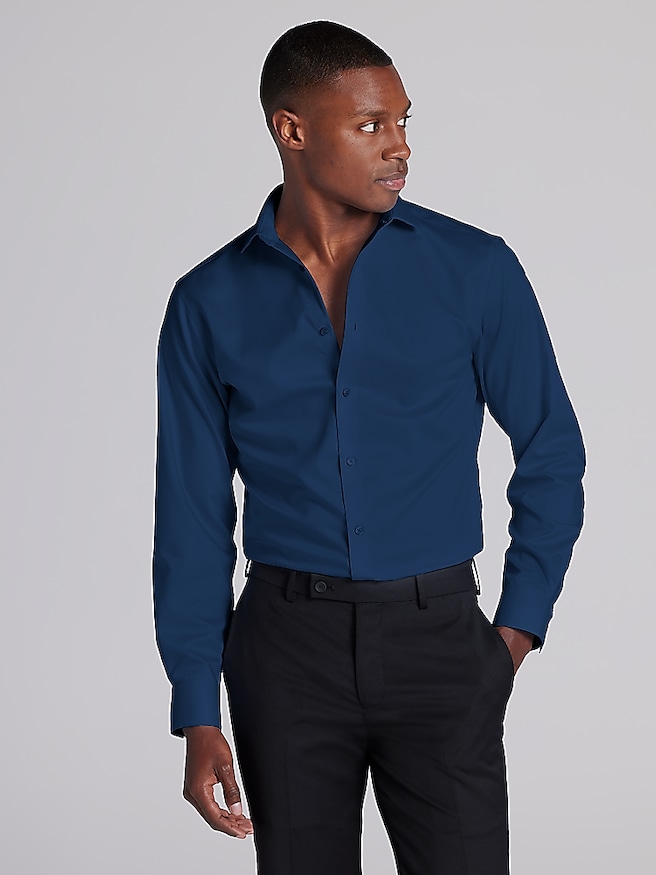
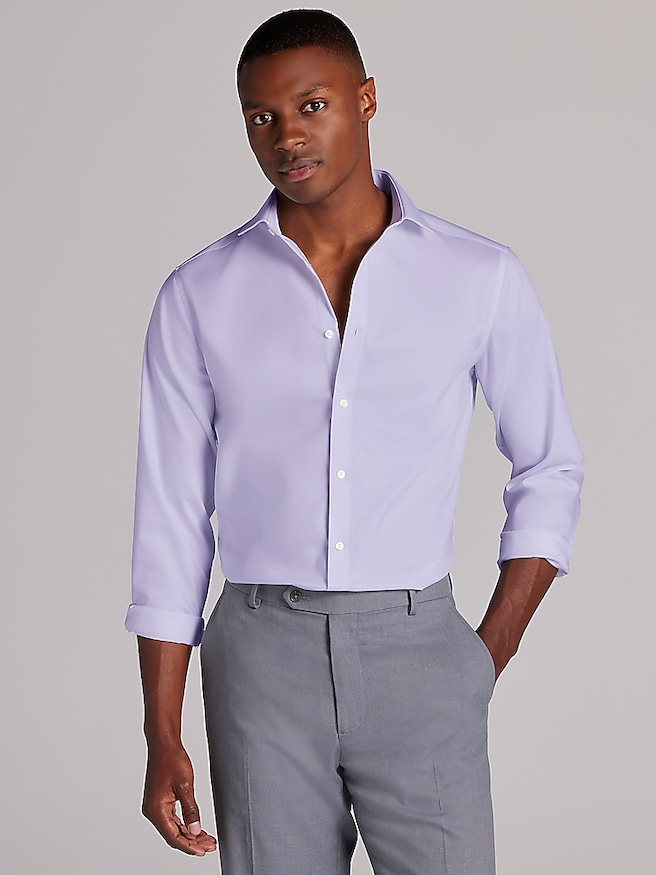
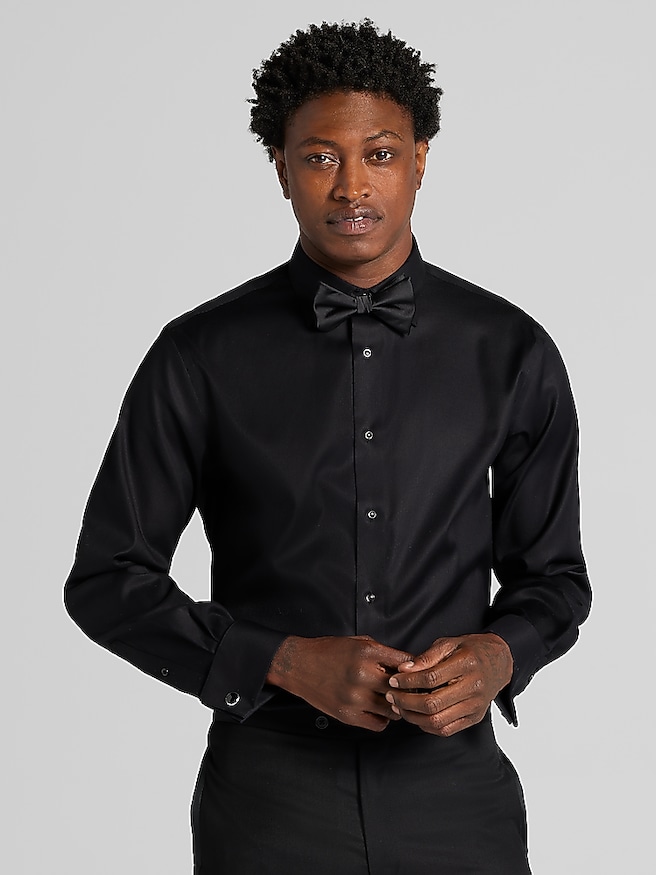
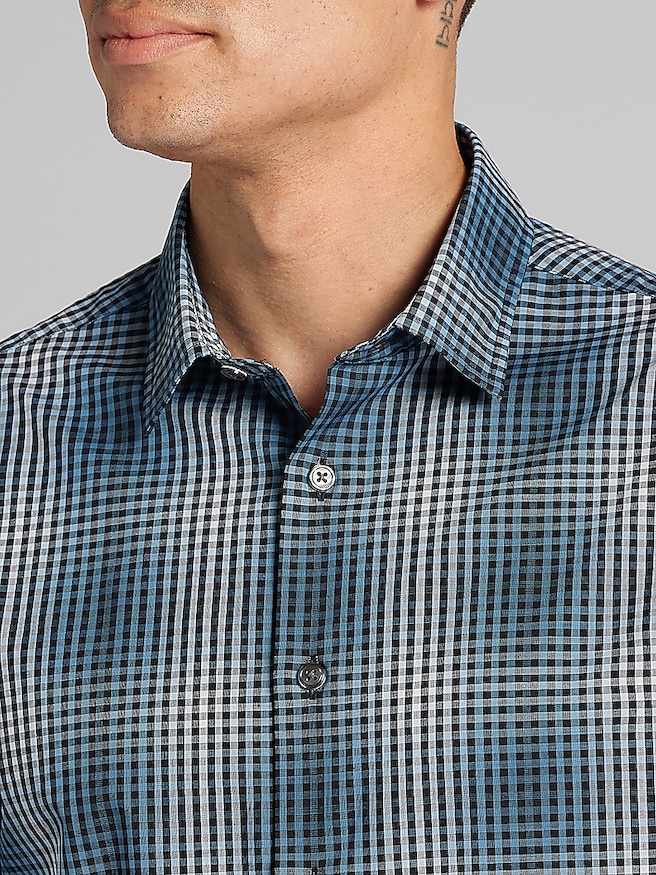
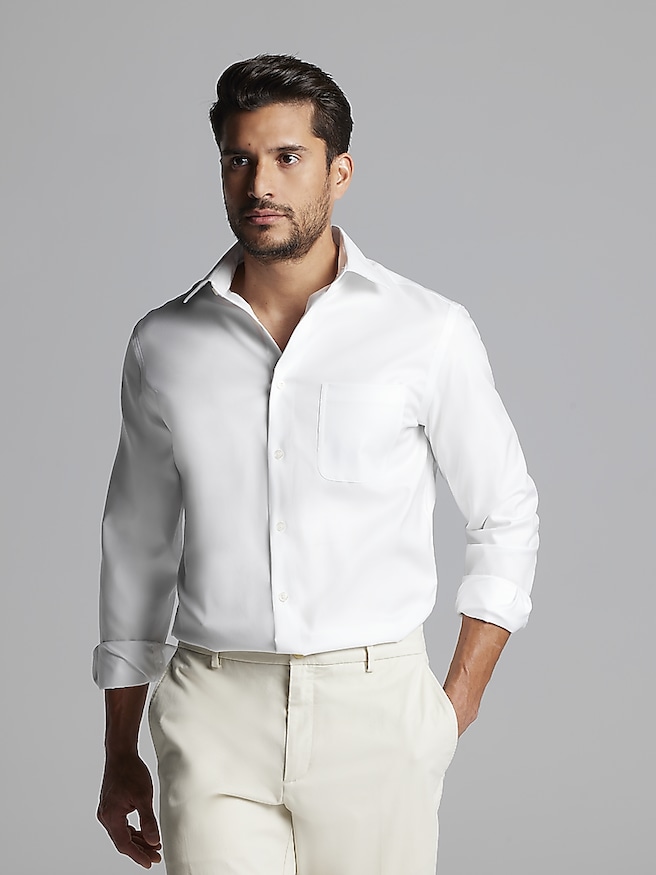
Cotton twill shirts bring together the dependable feel of a work shirt and the polished appearance of a well-built button-down. Their defining feature is the diagonal rib created by the twill weave, a construction that makes the fabric generally thicker and more durable than plain-weave cotton while giving it a soft, substantial hand. That extra structure helps the shirt drape neatly rather than cling to the body, and it provides better coverage than lightweight, more transparent fabrics. Many cotton twill shirts also have a natural resistance to heavy wrinkling, which makes them especially useful for busy mornings, commutes, travel and long days that move from one setting to another. A finer, smoother twill can look right at the office with tailored trousers, chinos or a sport coat, while a heavier or brushed version feels at home with jeans, work pants or layered over a simple T-shirt. As the weather shifts from warmer afternoons to cooler mornings and evenings, cotton twill offers useful middle-weight comfort: breathable enough for indoor wear and substantial enough to add a little protection when the air turns crisp. The diagonal texture is often understated, but it gives the shirt visual depth and keeps a solid color from looking flat. That makes twill an easy way to add character to a wardrobe without relying on loud patterns or complicated styling. For a more refined workday look, consider a close-fitting shirt with a clean collar and smooth finish, worn tucked in beneath a jacket or knit layer. For off-duty wear, a relaxed cut, utility-inspired details or a softly brushed surface can create a natural, lived-in look that pairs easily with denim and casual footwear. Those choosing between different options should look at fabric weight, collar shape, sleeve length, pocket details and overall fit, since each affects how the shirt will function. A trim silhouette can be more comfortable under a jacket, while a little extra room through the chest and shoulders is useful when the shirt will be worn open or layered.
The versatility of cotton twill makes it a practical choice for a wide range of wardrobes and routines. Someone who spends the day moving between meetings, errands and casual plans may appreciate a shirt that looks presentable with minimal effort, while someone working outdoors or in a hands-on environment may value the stronger weave and comfortable coverage. Twill can also be a smart option for travel because it tends to hold its shape in a suitcase better than very lightweight cotton, and a shirt in a neutral shade can be dressed up or down several ways. A pale or mid-tone shirt can lighten an outfit during the warmer part of the season, while deeper neutrals and earthy colors transition naturally into the cooler months. Layer one beneath a sweater, quilted vest or casual jacket when temperatures drop, or wear it open over a T-shirt when the day begins mild and ends cool. The same adaptability makes cotton twill shirts thoughtful gifts for a father, partner, brother, son, colleague or friend, particularly when the recipient appreciates clothing that is useful rather than overly delicate. A classic color and versatile fit can suit someone building a first professional wardrobe, refreshing everyday essentials or looking for dependable clothing for weekend projects and casual gatherings. If the shirt is intended as a gift, consider the wearer’s usual proportions and preferred level of ease. Men who typically wear shirts tucked in may prefer a shaped hem and a more tailored cut, while those who favor untucked styling may be more comfortable in a shorter, straighter silhouette. Collar proportions matter as well: a medium spread or classic point collar can work across business-casual and relaxed outfits, while a button-down collar usually reads more casual. Pay attention to buttons, stitching and pocket placement, too. Secure construction and clean seams contribute to long-term wear, and practical pockets can be welcome on casual styles without being necessary on dressier versions. For office settings, finer cotton twill with a smooth finish and restrained detailing can sit comfortably beneath a suit or coordinate with dress trousers; explore Men's Twill Dress Shirts for options suited to a more polished wardrobe.
Caring for cotton twill shirts is generally straightforward, though following the garment’s instructions will help preserve the fabric, color and fit. Washing with similar colors, using a gentle cycle and avoiding unnecessarily high heat can reduce shrinkage and wear. Removing the shirt promptly after washing and smoothing the placket, collar and cuffs before air-drying often limits creases. If a sharper finish is preferred, press the shirt while it is slightly damp or use a modest amount of steam, taking care around buttons and any brushed surface. A heavier twill may soften over time without losing its structure, which is part of its appeal; like a favorite pair of jeans or a broken-in jacket, it can become more comfortable with regular wear while continuing to look composed. Store clean shirts on sturdy hangers when possible, giving the shoulders enough room to keep their shape, or fold them neatly for drawers and travel. When building an assortment, begin with colors that work across the existing closet, such as white, blue, gray, tan, olive or navy, then add subtle checks, stripes or seasonal tones as needed. Look for a fabric that matches the intended use rather than choosing by appearance alone: lighter twill is better for office layering and transitional days, while heavier cotton twill is well suited to casual outer layers and cooler conditions. The best choice should feel comfortable through the shoulders, allow natural movement across the back and close without pulling at the buttons. Sleeves should reach the wrist when the arms rest naturally, and the collar should sit comfortably without pressing against the neck. With the right fit and weight, a cotton twill shirt can become one of the most reliable pieces in a man’s closet—ready for a workday, a road trip, an outdoor afternoon or a relaxed dinner when the temperature calls for an extra layer.